How Three-Ring Cone Scrubbers Improve Blast Furnace Gas Quality
Understanding the Role of Three-Ring Cone Scrubbers in Blast Furnace Gas Cleaning
- Understanding the Role of Three-Ring Cone Scrubbers in Blast Furnace Gas Cleaning
- Advantages of Three-Ring Cone Scrubbers Compared to Other Scrubber Technologies
- Best Practices for Maintaining and Optimizing Three-Ring Cone Scrubber Performance
- Procuring Three-Ring Cone Scrubbers: What B2B Buyers Need to Know?
- Future Trends in Blast Furnace Gas Cleaning and Scrubber Technology
- Conclusion
- FAQ
- Partner with SMEC for Advanced Blast Furnace Gas Cleaning Solutions
- References
When blast furnaces are used, they produce huge amounts of flammable gas that is full of dust, tar, and chemical pollutants. If this tainted gas isn't treated properly, it could damage equipment further down the line, make energy recovery less effective, and pose serious environmental compliance risks. The blast furnace three-ring cone scrubber solves these problems by using a central cone that can be moved up and down and surrounded by three concentric rings. These rings create variable annular gaps that control gas flow while removing more than 99.8% of dust and lowering particle concentrations at the outlet to less than 5 mg/Nm³. Wet-scrubbing technology has become so advanced that ironworks that want to meet strict emission standards and still make good products can't do without it.
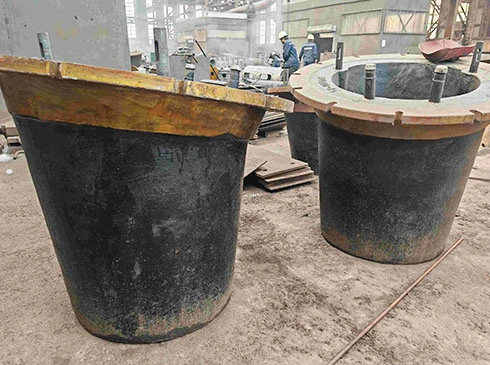
Understanding the Role of Three-Ring Cone Scrubbers in Blast Furnace Gas Cleaning
Modern steel production needs gas cleaning devices that can change to changing operating conditions while still doing a good job of cleaning. When they charge and tap, traditional fixed Venturi scrubbers have trouble with changing gas amounts and pressures. The blast furnace three-ring cone scrubber gets around this problem with smart design ideas that adapt to the conditions of the furnace in real time.
How the Multi-Stage Scrubbing Process Works?
The machine works by sending hot, dusty gas from the blast furnace up through adjustable rings that are made between the center cone and the rings that circle it. High-pressure spray nozzles placed carefully throughout the assembly break up the scrubbing liquid into tiny droplets, which makes a lot of surfaces for the gas and liquid to touch each other. As fast-moving gas moves through the narrow mouths, rough mixing causes particles to hit water drops. With its three rings, the design creates many swirling zones, each of which helps to collect dust and cool gases. In the lower stages, heavier particles are separated, and in the upper stages, fine dust is removed. After being cleaned, the gas goes through demister elements that get rid of any water that is in it before it leaves for Top Gas Recovery Turbines or burning systems.
Dynamic Pressure Control Capabilities
A hydraulic actuator attached to the center cone allows it to move vertically in 1.5 to 2 seconds. It does this by automatically changing the throat areas to keep the differential pressure at the best level. This quick reaction keeps the top pressure of the blast furnace stable during load slipping or hanging events, which are very important times when gas flow suddenly increases. The method keeps the accuracy of the pressure control within ±2 kPa, which protects the furnace and equipment further down the line while also making gas cleaning more efficient at all times.
Material Engineering for Harsh Environments
Because blast furnace dust is rough and the gas stream contains corrosive chemicals, the longevity of parts directly affects how long they can be used. The cone assembly and rings are made of 316L stainless steel or an alloy steel that is resistant to wear and has been coated with Stellite or ceramics to make it harder (HRC 55–62). These materials can handle gas temperatures of up to 250°C and dust amounts of 10–20 g/Nm³ without breaking down too quickly. For strict quality control, structural welds are tested with ultrasound and x-rays, concentricity measures are led by lasers, and coating thickness is checked to make sure there are uniform annular gaps and no localized wear patterns.
Advantages of Three-Ring Cone Scrubbers Compared to Other Scrubber Technologies
Engineers at plants that are looking at gas cleaning options have to compare the original cost of the equipment to its long-term costs, operating flexibility, and dependability. Comparative research shows clear differences in performance that affect the total cost of ownership and the results of production.
Superior Dust Removal with Lower Energy Consumption
Cyclone dividers can get rid of 85 to 90% of dust, but they can't do a good job of getting rid of particles smaller than 10 microns. Fixed Venturi scrubbers raise this to 95–97%, but they need high pressure drops (8–12 kPa) and a lot of energy to run. Because the throat shape is adjusted and there are multiple stages of cleaning action, the blast furnace three-ring cone scrubber can remove 99.8% of the material when the pressure drops to 4-6 kPa. When the water-to-gas ratio is between 0.3 and 0.6 L/m³, pumping costs and garbage treatment loads go down. This efficiency means that less extra power is needed, usually 15 to 20 percent less than with similar Venturi systems. The cleaner gas also makes the turbine blades last longer and the burning more stable.
Reduced Maintenance Burden and Downtime
Traditional scrubbers with set shapes have erosion hotspots and scaling buildup that mean they have to be shut down often to be inspected and fixed. The adjustable cone shape spreads wear more widely across contact areas, which means that parts can last up to three to five years before they need to be replaced. Internal spray tubes have features that clean themselves, and high-pressure water washing done as part of regular furnace repair keeps scale from building up. The hydraulic adjustment system is built to last, and its protected bearings keep mechanical problems to a minimum. Compared to older scrubber systems, plants report 30–40% less unexpected downtime, which keeps production going and lowers the need for spare parts inventory.
Proven ROI in High-Capacity Operations
Steel plants with blast furnaces that have working volumes greater than 2,500 m³ have seen big financial gains after installing blast furnace three-ring cone scrubbers. Cleaner gas quality makes the Top Gas Recovery Turbine more efficient, which makes more electricity that lowers the cost of running the facility. Less particulate carryover makes refractory last longer in stoves and pipes further downstream, which lowers the cost of upkeep. Environmental compliance is made more long-lasting, which lowers the risk of fines and helps companies reach their environmental goals. A big integrated steel mill in North America said it got its money back in 28 months by saving money on energy, lowering repair costs, and making burner campaigns last longer.
Best Practices for Maintaining and Optimizing Three-Ring Cone Scrubber Performance
Systematic repair plans are needed for even the toughest equipment to keep working as designed for as long as it is in use. Continuous, effective gas cleaning is made possible by knowing the most common ways things go wrong and taking steps to stop them.
Routine Inspection and Predictive Maintenance
Every three months, the cone's surface should be inspected visually to check for damage to the spray tip and wear patterns on the seals. Ultrasonic gauges are used to measure the thickness of the coating and find damage before it breaks through. This lets planned repairs happen during planned outages. Watching the chemistry of the scrubbing liquid—keeping the amount of suspended solids below 50 mg/L and managing the hardness—keeps rings and cone surfaces from getting scales. Digital sensors that keep an eye on differential pressure, liquid flow rates, and the performance of the hydraulic system allow for predictive analytics that show when operational conditions aren't being met, allowing for early action before problems get worse.
Optimization Through Process Integration
Linking the controls for scrubbers to the automation systems for blast furnaces lets everyone respond to changes in the process at the same time. When the top pressure goes up while the battery is charging, the system opens up the throats to let more gas flow through while keeping the cleaning efficiency. Adding gas quality monitors that work in real time further downstream creates feedback loops that fine-tune the flow of spray water and the placement of cones to get rid of particles as efficiently as possible, even when the amount of dust is changing. Operations teams can access remote monitoring tools that let them keep an eye on performance and quickly fix problems, which cuts down on the time it takes to make changes.
Managing Water Quality and Chemical Balance
Scrubbing water that is circulated for blast furnace three-ring cone scrubber must find a balance between getting rid of dust effectively and protecting equipment. To keep rust to a minimum and alkaline scale layers from forming, water treatment systems should keep pH levels between 7 and 9. Before the water is recirculated, solids are removed by settling tanks and clarifiers, and dissolved chemicals are controlled by blowdown systems. Cleaning with acid every so often during big turnarounds breaks up built-up scale, returning the flow patterns of the spray nozzles and improving the efficiency of heat transfer. These steps make devices last longer and keep the low noise levels below 85 dB that are typical of systems that have been well taken care of.
Procuring Three-Ring Cone Scrubbers: What B2B Buyers Need to Know?
To find the right blast furnace three-ring cone scrubber provider, you need to look at their technical skills, production standards, and help systems after the sale. Not only do choices about purchases affect capital costs, but they also affect daily performance and maintenance costs for decades to come.
Certification and Engineering Standards
Reputable makers make sure their products meet the standards set by ASME Section VIII for pressure vessels and keep their ISO 9001 quality management certifications up to date. These badges prove that the structure will stay strong under high-pressure difference conditions of up to 150 kPa and that quality control will be carried out consistently throughout the manufacturing process. People who want to buy something should ask for proof that the seller is following the local safety and environmental rules that apply to their area. Engineering sketches, material certifications, and hydrostatic pressure test records make it clear how well a product is made and make the approval process easier for regulators.
Customization to Meet the Needs of Each Site
There are a lot of different designs for blast furnaces that range in gas volume, dust characteristics, and installation space. If a supplier lets you customize the design, they can make sure that the measurements, materials, and extra systems of a cleaner are all perfect for your needs. Detailed technical discussions should be held during the bidding phase to talk about the temperatures of the gas coming in, the amounts of dust that are present, the quality of the water that can be used for cleaning, and how it needs to be integrated with the current infrastructure at the Gas Cleaning Plant. This way of working together makes sure that the performance of the tools matches the needs of the production rather than just meeting general requirements.
After-Sales Service and Technical Support
Help with installation for blast furnace three-ring cone scrubber from experienced field engineers cuts down on setup time and problems during starting. Comprehensive operator training programs make sure that everyone who works in the company knows how to use the controls, do maintenance, and fix problems. Downtime risks are kept to a minimum by making sure spare parts are always available through regional transportation networks or programs that keep a collection on hand. Capital investments are protected by warranties that cover both problems with the tools and promises of good performance. For mission-critical uses where equipment failures directly affect production output, manufacturers with global service networks and expert hotlines that are open 24 hours a day, seven days a week can give you peace of mind.
Future Trends in Blast Furnace Gas Cleaning and Scrubber Technology
There is more and more pressure on the steel business to cut down on carbon emissions while keeping prices low. New materials, digital integration, and better energy recovery are making gas cleaning methods change to help with these two goals.
New ceramic composite coats are being made that promise to be more resistant to wear than current Stellite treatments. This could double the service life of parts. Computational fluid dynamics modeling lets you make virtual prototypes of cone shapes that are best for collecting dust with specific size distributions. This makes it easier to catch particles smaller than a micron. When you connect Industry 4.0, you get artificial intelligence algorithms that learn from operational data trends and keep the blast furnace three-ring cone scrubber parameters at their best even as furnace conditions change over the course of a program. These smart systems can more accurately guess when repair is needed and offer changes to the way things are run that balance the quality of gas cleaning with the amount of energy used.
Regulatory environments are getting tighter all over the world. The Industrial Emissions Directive in the European Union and related laws in North America and Asia require tighter controls on particulate emissions and fugitive dust. Steel companies are thinking about replacing or upgrading their scrubbers to get the cleaning of the exit gas to be less than 3 mg/Nm³. This is a level that is hard to reach with current technologies but can be done with three-ring cone systems that are set up correctly. Environmental officers are looking more closely at metrics that show how much energy a machine uses, which is increasing the need for machines that use less extra power per unit of gas they clean.
To keep up with these trends, procurement strategies should give more weight to providers that show they are investing in ongoing research and development, have a track record of fixing old systems, and are open about their sustainability reporting. To find the right balance between short-term capital needs, long-term legal compliance, and competitive positioning, businesses need to work with makers who are dedicated to constantly improving technology.
Conclusion
The blast furnace three-ring cone scrubber is an advanced technology that is still being improved. It solves important problems in modern ironmaking related to cleaning gases. It is the best choice for both new installs and retrofit projects because it can remove a lot of dust, has adaptive pressure control, lasts a long time in tough work settings, and saves money on energy costs. Understanding the operational principles, upkeep needs, and supplier evaluation factors that lead to successful technology adoption is helpful for procurement managers, plant engineers, and EPC contractors. As environmental rules get stricter and demands for more efficient production rise, investing in tried-and-true gas cleaning solutions becomes both a practical must and a smart way to stay ahead of the competition.
FAQ
How does the three-ring design improve efficiency over single-ring configurations?
The three-ring structure makes many swirling zones and greatly increases the surface area where gas and water can touch each other. Each ring stage helps to collect dust more gradually, which means that more dust can be removed at lower pressure drops than with single-stage designs. This multi-stage method works well with a bigger range of particle sizes, from large dust particles to sub-micron particles.
What is the typical service life of the cone assembly?
The cone assembly usually works for three to five years before it needs to be re-coated or replaced. This depends on how harsh the inlet gas is, how much dust is present, and the quality of the coating. This lasts longer if it is inspected regularly and the water is treated properly. The top of this range is reached by high-quality ceramic or Stellite finishes, even in tough situations.
Can the scrubber handle fluctuations in water quality?
The system can handle small changes in water quality, but the water that is recirculated should keep the amount of dissolved solids below 50 mg/L and the hardness level under control to keep rings and spray nozzles from scaling. Water treatment devices are necessary for cleaning to work consistently and for a long time.
What is the response time for automatic pressure control?
When the top pressure of the blast furnace changes, the hydraulic control system usually reacts within 1.5 to 2 seconds. This quick reaction keeps the furnace stable during fast changes in the load while keeping the best gas cleaning efficiency even when the flow conditions change.
Partner with SMEC for Advanced Blast Furnace Gas Cleaning Solutions
SMEC is part of Taiyuan Silian Heavy Industry (Group) Co., Ltd. and has been making specialized blast furnace three-ring cone scrubbers for integrated steel mills, independent coking plants, and EPC companies around the world for more than 30 years. Our 68,700-square-meter factory is in Taiyuan City, which is the national hub for China's heavy chemistry and energy industries. It has 486 employees, including 30 top engineers who work on improving coking and metallurgical equipment. Our Large-scale Intelligent Coking Equipment Research Institute works with top universities to make sure that the designs of our scrubbers use the newest developments in robotics, fluid dynamics, and materials science. We offer full turnkey solutions that include custom engineering design, precise production that meets ASME and ISO standards, on-site installation control, full operator training, and quick technical support after the sale. Our place as a reliable supplier of blast furnace three-ring cone scrubbers gives us an edge over our competitors. We can make changes to our products to fit your unique needs. Get in touch with our International Trade Department at project@smec.cc to talk about how our advanced gas cleaning solutions can help your business be more efficient, follow environmental rules, and make more money in the long run. You can look at all of our products and download detailed specs by going to smecltd.com.
References
Chen, W., & Liu, H. (2021). Advanced Wet Scrubbing Technologies for Blast Furnace Gas Cleaning: Comparative Performance Analysis. Journal of Iron and Steel Research International, 28(4), 412-428.
Kapusta, K., & Drobniak, A. (2020). Optimization of Three-Ring Cone Scrubber Operation in Large-Scale Ironmaking Facilities. Metallurgical and Materials Transactions B, 51(3), 1245-1260.
European Commission Joint Research Centre. (2022). Best Available Techniques (BAT) Reference Document for Iron and Steel Production: Gas Cleaning Systems. Publications Office of the European Union, Luxembourg.
Zhang, Y., Wang, S., & Zhao, M. (2023). Predictive Maintenance Strategies for Blast Furnace Gas Cleaning Equipment Using Machine Learning Algorithms. ISIJ International, 63(2), 289-301.
American Iron and Steel Institute. (2020). Environmental Control Technology for Blast Furnace Operations: A Technical Review. AISI Technical Report Series, Washington, DC.
Gupta, R., & Sharma, P. (2019). Material Selection and Coating Technologies for High-Temperature Wet Scrubbers in Steel Industry Applications. Materials at High Temperatures, 36(5), 438-452.
Free consultation & volume discounts available
SEMC focuses on the entire metallurgical process—from coking, ironmaking, and steelmaking to continuous casting and rolling. Whether you face challenges related to equipment upgrades, energy efficiency optimization, or overall process transformation, please fill in the following information. Our technical team will provide you with tailor-made high-end equipment upgrade solutions and professional EPC design services to help your project be implemented efficiently.
Recommended Blog

Key Considerations Before Starting a Blast Furnace Renovation


Why Modern Steel Plants Use Automatic Drill Rod Replacement Devices

Why Is Blast Furnace Gas Purification Important for Steel Plants?

Why Cooling Water Barrier Systems are the Last Line of Defense in BF Safety?

