Why Is Blast Furnace Gas Purification Important for Steel Plants?
Understanding Blast Furnace Gas and Its Purification
- Understanding Blast Furnace Gas and Its Purification
- The Blast Furnace Gas Purification Process Explained
- Benefits of Implementing Efficient Blast Furnace Gas Purification Services
- Challenges and Solutions in Blast Furnace Gas Purification
- Choosing the Right Blast Furnace Gas Purification Service for Your Steel Plant
- Renovation of the Blast Furnace Gas Purification System
- Conclusion
- FAQ
- Partner with SMEC for Advanced Gas Purification Solutions
- References
Blast furnace gas purification service is an important part of modern steel production because it solves important problems in terms of operations, the environment, and the economy. The amount of dust in raw blast furnace gas ranges from 10 to 40 grams per standard cubic meter. It also has toxic chlorides and sulfides that can damage equipment further down the line. Without proper cleaning, steel plants risk erosion of turbine blades, clogging of burner nozzles, fines for harming the environment, and big energy losses. Using professional gas cleaning solutions turns this dangerous waste into a useful additional fuel source, which lowers carbon emissions and improves the dependability of operations.
Understanding Blast Furnace Gas and Its Purification
Blast furnace gas is an unwanted result of making iron. For every ton of hot metal, there are about 1,500 to 2,000 cubic meters of gas. Nitrogen (50–60%), carbon monoxide (20–30%), carbon dioxide (18–25%), hydrogen (2–5%), and troublesome impurities make up the makeup.
The Chemical Composition Challenge
There are instant worries about the presence of fine particles. Particles of dust smaller than 10 microns have rough qualities that make tools wear out much faster. Also, minor elements like alkali metals, zinc compounds, and sulfur products make the material more corrosive. These contaminants damage the insides of pipelines, valve seats, and the surfaces of combustion chambers. This makes upkeep a headache and delays production plans.
Sources of Contamination in Raw BFG
There are several places in the blast furnace process where contamination can start. Mineral dust is released when raw materials are charged, and tar smoke and soot are made in the burning zone. The high-temperature reduction method gets chlorine out of materials that are too heavy, which is especially helpful when working with low-grade ores. By knowing these ways that pollution can spread, procurement managers can choose cleaning technologies that are best for each furnace.
Impact on Plant Operations and Safety
Gas that hasn't been cleaned causes failures all over integrated steel plants. Top Pressure Recovery Turbines, which turn the pressure of the top gas in a blast furnace into electricity, have blade wear that lowers their ability to make electricity by 15 to 25 percent every year. Checker brick "glassing" happens in hot blast stoves when dust particles fuse into ceramic surfaces at high temperatures. This makes heat transfer less effective. Safety problems happen more often when flammable dust builds up in small areas, making explosions dangerous for people and property.
The Blast Furnace Gas Purification Process Explained
These days, gas purification devices use multiple treatment steps to meet very low pollution guidelines while keeping the gas's heat value. In the metallurgy field, the change from standard wet scrubbing to improved dry filtration is a big step forward in technology.
Physical Separation Technologies
Gravity separators and cyclone dust catchers are used in the first stages of cleaning to get rid of large particles bigger than 50 microns. These machines use rotating forces and changes in flow direction to separate heavy materials. While it works well for bulk removal, more advanced methods are needed to get exit amounts below 5 milligrams per normal cubic meter. Depth filtration devices in dry bag filter systems with long-bag pulse-jet technology pick up sub-micron particles. When choosing filter media, it's important to think about how well it handles temperature, chemicals, and permeability to make sure it works with the plant's needs.
Chemical Treatment Methods
Chemical control methods are needed for blast furnace gas purification service gaseous pollutants. Scrubbing liquids made to neutralize acid gases and collect organic chemicals are used in absorption devices. Hydrogen chloride and hydrogen sulfide are attacked by caustic liquids, which stops rusting further down the line. Catalytic conversion technologies, which are less common because they are more expensive, can change carbon monoxide into safer carbon dioxide under controlled conditions. However, most facilities prefer to keep CO because it is useful as fuel.
Emerging Hybrid Purification Systems
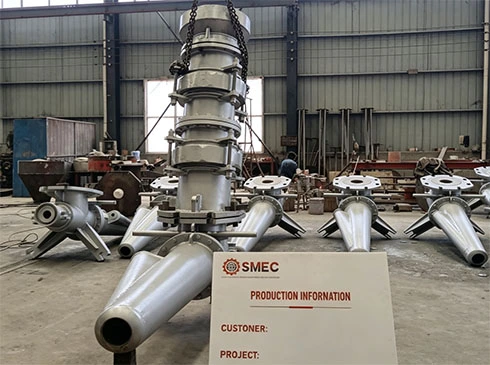
New methods blend electrostatic precipitation and cloth filtration, making the most of what each technology does best. Electrostatic charging of particles makes bag filters work better while lowering the pressure drop costs. This mixed method works especially well for remodeling jobs that need to update old wet systems. The initial investment pays for itself quickly through lower water use, no longer having to pay to get rid of sludge, and longer life for the Top Pressure Recovery Turbine. These advanced designs, which include acid-resistant coatings and stainless steel parts to fight dew point rust, are very helpful for plants that process high-chloride iron ores.
Benefits of Implementing Efficient Blast Furnace Gas Purification Services
The environmental, practical, and financial impacts of professional gas cleaning solutions can be measured. This means that they are more than just compliance costs; they are strategic investments.
Environmental Compliance and Emission Reduction
Ultra-low particulate pollution are becoming more and more required by regulations around the world. In many places, the limits have been lowered to below 5 milligrams per standard cubic meter. When steel companies are close to cities, they have to deal with extra strict control because visible plume emissions cause complaints from the public and governmental scrutiny. Through closed-loop transportation systems, advanced purification infrastructure gets rid of secondary dust emissions that happen when ash is handled. This helps with what has become a big regulation focus.
By following these standards, you can escape the terrible consequences of not doing so. Production stops during regulatory checks, daily civil fines, and damage to image in B2B supply chains are all effects that are much worse than the investments made in purification systems. Clean gas operations show care for the environment, which builds relationships with customers in the building and automobile industries who are becoming more and more interested in the sustainability standards of their steel suppliers.
Operational Efficiency and Equipment Longevity
High-purity blast furnace gas greatly increases the time between repair visits. When working with properly cleaned gas, Top Pressure Recovery Turbines keep their basic efficiency for 18 to 24 months before needing to be overhauled. This is in contrast to the 3 to 6 month cycles that happen when processing streams that aren't properly handled. Flame patterns and temperature profiles stay the same on hot blast stove burners. This stabilizes blast factors that directly affect how much coke is used and how productive the furnace is.
Another big benefit is that energy recovery is possible. Changing from wet to dry cleaning methods keeps the gas temperature stable. This makes more useful heat available to turbine systems, which usually increases power production by 8–12%. This restored energy balances out the plant's use of electricity, which improves total energy intensity measures that are important for both cost accounting and figuring out the carbon footprint. Integrated facilities that use blast furnace gas as boiler fuel have fewer unexpected shutdowns because of pipeline blockages. This keeps the reliability of the steam system, which is important for ongoing casting operations.
Cost Management Through Professional Services
Many sites can benefit greatly from outsourcing their cleaning tasks to specialized companies. Expert vendors bring a lot of technical knowledge that they've gained from working on many setups. This lets them quickly fix problems and improve speed. Advanced diagnostic tools like laser backscattering scanners, isokinetic sampling systems, and online chromatography are easier to get than what most plants can afford to keep in-house.
Most blast furnace gas purification service agreements include predictive maintenance systems that set up repairs based on how the equipment is actually working, not on random intervals. This method keeps costs down by avoiding wasteful spending and catastrophic fails. Clear performance promises based on measurable factors like outlet dust concentration and pressure drop characteristics match vendor incentives with plant goals, forming partnerships aimed at long-term value creation.
Challenges and Solutions in Blast Furnace Gas Purification
Even though technology is getting better, gas cleaning operations still face problems that need careful engineering solutions and strict operating discipline.
Managing Variable Gas Composition
The type of load, the quality of the coke, and the progress of the operation all affect the blast furnace's working conditions. These changes cause changes in the amount of gas, the temperature, the amount of wetness, and the amount of particles in the air. These changes must be able to be handled by purification systems without lowering their performance. Modular bag filter designs with the ability to separate compartments let you do selected online maintenance while keeping the filter's treatment capacity. Advanced process control systems constantly change the regularity and strength of pulse-jet cleaning based on tracking real-time differential pressure. This makes the best use of energy and keeps filters from getting too full.
Addressing Corrosive Impurities
Chlorine products are especially dangerous problems. When gas temperatures drop below dew points, like when there is an upset or in areas of bypass pipe, hydrochloric acid condensation quickly attacks carbon steel surfaces and does a lot of damage. It's important to choose the right materials, like duplex stainless steels for areas that tend to condense, glycol-based heating systems to keep the surface temperature above critical levels, and drainage systems that quickly remove condensed liquids before they can do damage.
Controlling Operational Expenditures
The most expensive part of dry filtering devices that keeps going is replacing the filter media. To get the most out of a filter's life, you need to find the right balance between pulse strength and cloth stress, choose the right cleaning cycle frequencies, and keep the gas distribution correct to avoid overloading in one area. Automated bag leak detection systems that use bright powder tracers or triboelectric sensors can find damaged bags right away and replace them one at a time instead of replacing all of them at once, which wastes material that can still be used. A lot of training for operators makes sure that everyone knows how to spot the little signs of problems before they become big, expensive emergencies.
Choosing the Right Blast Furnace Gas Purification Service for Your Steel Plant
To choose the right cleaning companies, you need to do a lot of research on both technical and business issues. Managers in charge of buying things for steel plants have to weigh the need for instant capital against long-term value and strategic operating goals.
Technology Assessment and Customization
In metallurgical uses, generic methods rarely give the best results. Every blast furnace is different because of its size, ore sources, coke qualities, and the equipment that is already in place. Service providers who are good at what they do carefully check out a site, looking at things like past gas makeup data, room limitations, power access, and production plans that determine repair gaps. This research helps designers make custom systems that work well with the way things are done now.
Large integrated sites that need to upgrade 2,000 to 5,000 cubic meter burners need to do things in a different way than smaller commercial operations. The first two are reasons to use complex automation systems that can be monitored from afar, have predictive analytics platforms, and have multiple capacity levels that get rid of single points of failure. For smaller sites, keeping things simple and easy to maintain is very important. They usually choose strong designs with few instruments and simple mechanical parts that plant maintenance teams can easily service.
Evaluating Vendor Capabilities and Support
Technical knowledge for blast furnace gas purification service includes more than just selling equipment; it also includes overseeing installations, helping with setup, and providing ongoing improvement services. Leading providers have engineering teams that know how to do hot starting processes in blast furnaces, which require careful planning and perfect execution because new equipment has to be put into live gas streams. References from similar setups are very helpful because they show how well a vendor performs under pressure, how quickly they respond to problems that come up, and how committed they are to meeting promised performance standards.
Infrastructure for after-sales help is very important. Response times during unexpected events are affected by how close service centers are, where extra parts are kept, and how many field technicians are available. When looking for a manufacturing partner, international sellers of heavy equipment should check the company's production capacity, quality management systems, and compliance with all relevant certifications. Reliable shipping schedules and consistent product quality are based on stable production capabilities. Recognized certificates give customers faith in the design quality and fabrication standards.
Understanding Commercial Structures
Total cost of ownership estimates are easier to do when price models are clear. In addition to the initial cash investment, you should also think about the costs of filter media, cleaning compressed air, and other services. When you tie payments for services to emissions levels and uptime rates, you're aligning the interests of the provider with the goals of the plant. This encourages proactive maintenance and quick problem resolution. Scalability features that let capacity grow without replacing the whole system protect against system obsolescence as production rises.
Renovation of the Blast Furnace Gas Purification System
More and more pressure is being put on old sites that use old wet scrubbing equipment to update. Updating old infrastructure through renovation projects can make huge differences while handling the tricky aspects of making operating facilities different.
Transitioning from Wet to Dry Systems
When you switch from Venturi scrubbers to long-bag pulse dry dust collectors, you get rid of the need to dispose of hundreds of cubic meters of water and sludge every hour. The output of a Top Pressure Recovery Turbine goes up a lot when sensible heat is recovered. Across restored sites, generation rises of 10-15% are typical. Better gas quality stability stops burner clogging problems that used to stop hot blast stoves from working, making blast temperature consistency more important for the furnace to work well.
Specialized Solutions for Challenging Environments
Buildings that work with high-chloride iron ores need special remodeling methods that include complete strategies for stopping rusting. As part of anti-corrosive upgrades, coatings made to prevent hydrochloric acid attack are put on surfaces in gas handling systems that are easily damaged. In places where condensation is likely to happen, stainless steel internal parts are used instead of carbon steel ones. During rest times, purge gas systems keep positive pressure in bypass sections, which stops moisture from getting in and starting a corrosive attack.
Addressing Urban Environmental Requirements
When steel companies are close to residential areas, they have to follow stricter rules for controlling dust that go beyond stack emissions and include rogue releases from moving materials. Closed-loop ash conveyance systems move captured particles pneumatically from bag filter hoppers to enclosed storage bins as part of renovation plans. This gets rid of the secondary emission sources that traditional bucket lift and conveyor setups cause. These all-around methods meet city air quality standards and show pledges to being a good neighbor, which protects operation licenses.
Conclusion
For competitive steel production in today's legal and market settings, blast furnace gas purification service is an absolute must. Wet scrubbing was the first technology used, but now there are advanced dry filtering systems that can achieve very low pollution while recovering as much energy as possible. Effective cleaning keeps important equipment safe, makes sure that environmental rules are followed, and turns dangerous waste into useful fuels. Strategic relationships with service providers with a lot of experience allow plants to get solutions that are tailored to their specific needs and are backed up by a lot of technical knowledge and ongoing help with improvement. By putting modernizing their purification systems at the top of their list of priorities, steel producers set themselves up for long-term operating success and regulatory trust.
FAQ
What specific impurities does purification remove?
Professional systems that clean gases focus on three types of contamination: particulate matter, which includes iron oxides, coke fines, and mineral dust; acidic gases, which include hydrogen chloride and hydrogen sulfide; and organic compounds, which include tar vapors and condensable hydrocarbons. With advanced filtering, solids concentrations at the exit are kept below 5 milligrams per normal cubic meter, and chemical scrubbing neutralizes acid gases to protect equipment further down the line.
How does purification impact operational costs?
Effective purification requires an initial investment, but it lowers total operating costs in several ways: longer equipment life lowers the cost of replacement; better energy recovery from Top Pressure Recovery Turbines lowers the cost of electricity; less frequent maintenance lowers the cost of labor and parts; and no environmental penalties eliminate compliance risks. Payback times are usually between 24 and 36 months, but they depend on the starting conditions and the rules that apply.
Can systems be customized for unique plant conditions?
Absolutely. Leading service providers do full site surveys that look at things like the type of gas, the volumetric flow rates, the amount of room available, the utility infrastructure, and any operating limitations. Custom designs can work for high-chloride ores that need special corrosion protection, brownfield sites that don't have a lot of room so they need to be small, and facilities that have strict noise limits so they need sound shelters. Modular designs let implementation happen in stages that are in line with production plans and capital budgets.
Partner with SMEC for Advanced Gas Purification Solutions
SMEC has decades of experience with metallurgical equipment and can help with blast furnace gas purification service problems. They offer complete solutions from the initial planning phase to ongoing operating support. Our engineering teams, which include 30 top engineers with a lot of experience in coking and gas treatment, work closely with steel makers to create purification systems that are specifically designed for each plant. As a top provider of blast furnace gas purification services, we use our 23,000-square-meter factory in Taiyuan, which is in the center of China's heavy industry, to make strong, reliable tools that can handle harsh metallurgical environments. Our solutions work perfectly with the way things are done now, so there is little downtime during installation and maximum speed gains.Get in touch with our technical experts at project@smec.cc to talk about your purification needs and find out how our custom method can help you solve your specific operating problems and set up your facility for long-term environmental and economic success.
References
Worrell, Ernst, et al. "Energy Efficiency Improvement and Cost Saving Opportunities for the U.S. Iron and Steel Industry." Lawrence Berkeley National Laboratory, 2010.
International Iron and Steel Institute. "Steel Industry By-products Management." Technical Report Series on Sustainable Steel Production, 2008.
Geerdes, Maarten, et al. "Modern Blast Furnace Ironmaking: An Introduction." IOS Press, 2015.
American Iron and Steel Institute. "Environmental Control Technology for the Iron and Steel Industry." Technical Committee Report, 2012.
Cavaliere, Pasquale. "Ironmaking and Steelmaking Processes: Greenhouse Emissions, Control, and Reduction." Springer International Publishing, 2016.
United Nations Industrial Development Organization. "Energy and Emissions Management in the Iron and Steel Industry." Vienna International Centre Publications, 2019.
Free consultation & volume discounts available
SEMC focuses on the entire metallurgical process—from coking, ironmaking, and steelmaking to continuous casting and rolling. Whether you face challenges related to equipment upgrades, energy efficiency optimization, or overall process transformation, please fill in the following information. Our technical team will provide you with tailor-made high-end equipment upgrade solutions and professional EPC design services to help your project be implemented efficiently.