How EPC Services Reduce Blast Furnace Project Risks?
Understanding Project Risks in Blast Furnace Construction
- Understanding Project Risks in Blast Furnace Construction
- How EPC Turnkey Services Address Blast Furnace Project Risks
- Key Stages of Blast Furnace EPC Turnkey Projects and Risk Control Measures
- Comparing EPC Turnkey Services with Traditional Construction Models
- Selecting the Right Blast Furnace EPC Turnkey Provider to Minimize Risks
- Conclusion
- FAQ
- Partner with SMEC for Proven Blast Furnace EPC Solutions
- References
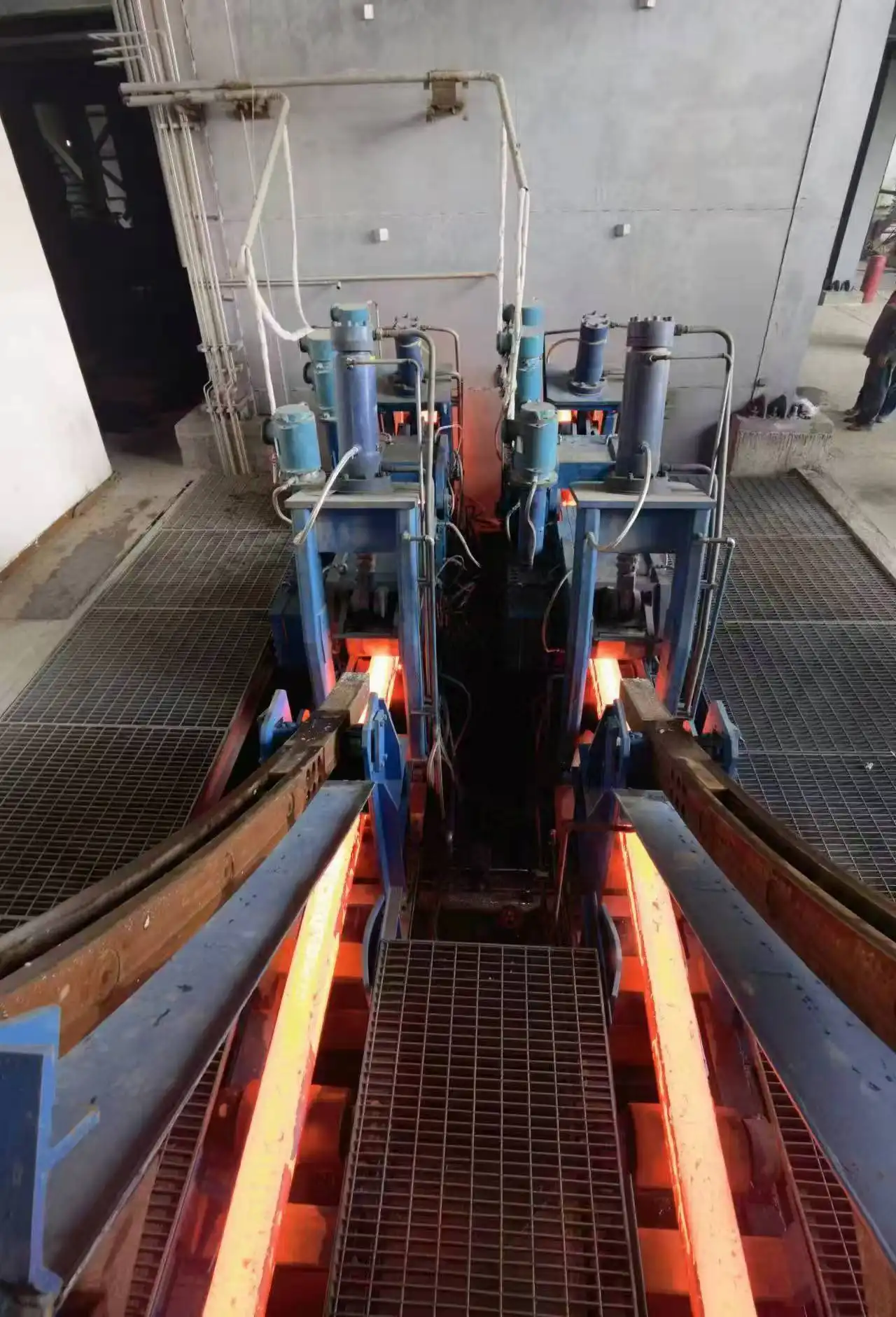
Building a large blast furnace is inherently complicated, and it can be hard for even experienced industrial workers. Problems with technical integration, budget uncertainty, regulatory compliance requirements, and teamwork between multiple parties all pose ongoing risks to the project's success. These weaknesses can be fixed by a new blast furnace EPC turnkey service that combines planning, procurement, and building tasks under one project manager. This unified method cuts down on communication gaps, clears up questions about who is responsible, and gives clients expected results. Recent improvements to EPC full delivery models have added better ways to reduce risk, methods for tracking in real time, and better ways to make sure the quality of the work. These protect shareholder investments and shorten the time it takes to start using the project.
Understanding Project Risks in Blast Furnace Construction
There are many risks involved in building a blast furnace that go beyond those that come with other industrial projects. When you combine refractory materials, cooling systems, and methods for spreading out the load, you run into technical problems because you need to be very exact with your engineering. Any mistake made during the planning phase can lead to working errors that last for the whole life of the building. Costs often go over budget when the buying process isn't clear or when material requirements change in the middle of a project without the right cost control tools in place.
Technical Complexity and Integration Challenges
The mechanical, electrical, and process control parts of modern blast furnaces must work together without any problems. During installation, problems with equipment compatibility between different makers often come up, causing delays that affect the whole project plan. The part where the coke supply systems meet the burner charging equipment needs to be carefully coordinated to make sure it keeps running after it's been set up.
Regulatory Compliance and Environmental Standards
Controlling pollution, particulate matter, and trash has become more difficult because of stricter environmental rules in industrialised markets. If projects don't think about legal needs during the planning phase, they may have to pay a lot to fix things or be limited in how they can be used after they're finished. Emission control systems, gas recovery infrastructure, and wastewater treatment plants all need to meet standards that are specific to their area and are very different from one market to the next.
Multi-Party Coordination Risks
In traditional building methods, engineering consultants, equipment sellers, construction workers, and execution experts all have their own contracts. When problems happen, this separation makes it hard to coordinate because it's not clear who is responsible for what. When these separate groups can't talk to each other, it often leads to mismatched specifications, mistakes during installation, and long disagreement settlement processes that use up project resources.
How EPC Turnkey Services Address Blast Furnace Project Risks
EPC full delivery brings together all the parts of a project into one accountable area, which completely changes how risks are handled. When one group is in charge of engineering planning, buying tools, building, and making sure the work is done right, communication problems are much less likely to happen. A unified approach makes it more normal to solve problems ahead of time instead of putting the blame on others after the fact.
Integrated Engineering and Procurement Strategies
Advanced EPC companies use concurrent engineering methods, which let design, buying, and building planning happen at the same time instead of one after the other. This parallel process finds possible problems early, when it's still cost-effective to make changes to the design. Before buy orders are sent out, supplier prequalification methods make sure that the equipment will work together. This way, expensive interface problems won't be found during the installation phase.
Building information modelling (BIM) technologies are used in modern new blast furnace EPC turnkey service full contracts to make digital twins of whole buildings before they are built. These virtual models make it possible to find clashes, check for constructability, and check for upkeep ease in ways that two-dimensional images can't. Clients feel more confident when they know that any possible problems have been found and fixed online before expensive field resources are sent out.
Environmental Compliance Integration
Environmental management is built into full EPC plans from the start of a project, not just added at the end. The technical work that goes into main production equipment, dust control systems, gas cleaning equipment, and wastewater treatment infrastructure is all just as important. Regulatory clearance work is done at the same time as plan development. This makes sure that approvals don't cause unexpected delays in building schedules but instead work with them.
Continuous pollution monitoring systems (CEMS) and data collection platforms are built in during building. This lets the environmental performance be checked right away during startup. This preventive method stops sites from reaching technical finish but not being able to run because of unsolved environmental compliance issues.
Quality Assurance and Schedule Discipline
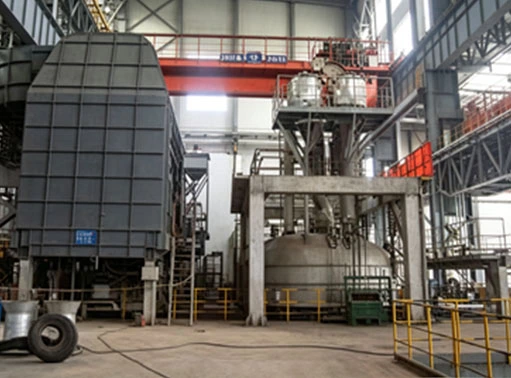
With single-source EPC responsibility, there are no gaps in quality control that happen on jobs with multiple contractors. Comprehensive inspection and testing methods are used to track equipment from the factories where it is made to the places where it is installed and turned on. Non-conformances are taken care of right away by the responsible party, so they don't turn into disagreements between independent workers over contracts.
Centralised control makes it easier to handle schedules because tasks that are on the important path get more resources first. When the planning, procurement, and building teams work together under one project manager, schedule issues are solved based on how to best optimise the project as a whole, not on the needs of each individual provider. When compared to standard shipping ways, this teamwork usually speeds up completion by 15 to 25 percent.
Key Stages of Blast Furnace EPC Turnkey Projects and Risk Control Measures
Each phase of a project includes specific plans to reduce risks that build on the results from the previous phase. This step-by-step method to lowering risks makes the project more certain as it is carried out.
Engineering and Design Phase Risk Mitigation
Before spending a lot of money on a thorough design, feasibility studies and conceptual engineering help set reasonable goals for performance and cost. Geotechnical investigations, power capacity estimates, and transportation studies find the site's limitations that affect the choices made about design. Advanced process simulations create many possible operating situations and show any potential bottlenecks or capacity limits that might not be obvious from simple engineering calculations.
Value engineering groups bring together experts from different fields to find the best design solutions by weighing the costs of capital improvements against the needs for daily efficiency and upkeep. During these meetings, people work together to find ways to save money while still meeting performance standards and making the project easier to build. At set stages, people from the client take part in design meetings to make sure that the design meets practical needs before moving on to the next step.
Procurement Phase Controls
In addition to price, supplier approval also looks at the supplier's ability to make things, their quality control systems, and how reliable their delivery is. Technical bid reviews make sure that the suggested equipment meets the requirements of the specifications and works well with systems that are close by. Checking references with past clients can give you an idea of how well a supplier did when the project was tough.
Using building installation dates as a starting point, procurement plans for the new blast furnace EPC turnkey service are made that include production wait times, approval requirements, and shipping times. When expediting, resources are focused on long-lead equipment things that are in the way of the important path. Material tracking tools let you see how production is going in real time, so you can step in before delays threaten to throw off your project timeline.
Construction Execution and Quality Control
Site mobilisation doesn't happen until thorough building execution plans have been looked over and accepted. This makes sure that teams know how to do their jobs safely and to the standards of quality. Meetings before building make sure that all the subcontractors know what to expect in terms of schedule goals, inspection hold points, and paperwork needs.
For quality control checks, written processes are used that spell out the criteria for accepting each building activity. Functional testing, non-destructive testing, and measurement proof all happen at set times, not just when the job is finished. This method of gradual quality assurance stops problems from getting worse and costing more to fix as the building process goes on.
Quality and plan performance are given the same amount of attention as safety management. Before work starts, thorough safety planning finds high-risk tasks and puts in place the right safety steps to lower those risks. As projects move forward, regular safety checks and reviews into incidents keep people aware and keep them from getting too comfortable.
Commissioning and Performance Verification
For systematic launching, written steps are used to make sure that each system works as planned before moving on to checking the whole building. Mechanical finishing checks make sure that all of the equipment is set up correctly and is ready to be turned on. Cleaning, flushing, and checking for leaks are all pre-commissioning tasks that get systems ready for the fluids and materials that will be used.
Performance testing shows that processes at an integrated plant meet promised production rates, energy use goals, and environmental safety standards. Operator training happens at the same time as commissioning. This makes sure that plant workers understand how the system works and can fix common problems on their own. A lot of information about activities and repair is recorded so that it can be used for ongoing building management.
Comparing EPC Turnkey Services with Traditional Construction Models
With traditional delivery methods, design experts, equipment sellers, and building companies all have their own contracts. This division makes it harder to work together and lessens responsibility. In the event that problems appear during a project, figuring out who is responsible among several separate parties usually takes a long time and costs a lot of money.
Accountability and Risk Allocation
With a turnkey EPC deal, all of the duty falls on one company, making it clear who is responsible for the project's results. Performance promises backed by company resources give clients a real way to get their money back if results don't live up to the terms of the contract. In standard models, clients often take on risks that are outside the scope of the provider. This centralised risk sharing is very different.
During the bidding process, when specialised companies are competing hard for each task, traditional delivery methods may seem like they offer lower costs. However, these saves are often lost due to change orders, planning delays, and the costs of resolving interface issues that come up during delivery. EPC turnkey price includes ways to handle these integration risks, which makes final costs more reliable even if the original contract value is higher.
Schedule Predictability and Flexibility
With unified project management, EPC companies can make the best use of resource allocation and work schedules across all project stages. When changes need to be made to the design, combined teams can quickly figure out how they will affect buying and building and make changes that keep schedules as stable as possible. In traditional models, changes can't happen until multiple contracts are renegotiated and disagreements over scope boundaries are settled.
Fast-track execution, in which building starts before the full plan is approved, comes with a lot of risks when using standard delivery methods for a new blast furnace EPC turnkey service because it's hard to keep everything in sync. Because joint management keeps a clear view of all actions going on at the same time, EPC turnkey frameworks can handle tighter plans more safely. This feature comes in handy when tight project deadlines are caused by times for starting production.
Decision-Making Authority and Client Involvement
In traditional delivery methods, clients have to make a lot of technical choices about things like interface details, material replacements, and getting approvals for the building method. If an organization doesn't have the right technical tools, these tasks may be hard for them to handle, and they might make bad choices that hurt the project's results. These technical choices are made by the provider in EPC turnkey arrangements, but the client still has control over key performance factors and price issues.
Some clients like traditional delivery methods because they let them keep direct relationships with providers of specialised tools and get a better idea of how much each part of the delivery costs. This method works well for businesses with project management teams that are experienced and can effectively coordinate the work of various contractors. EPC full services are better for companies that want to avoid using too many of their own resources and instead give the work to experienced industrial workers.
Selecting the Right Blast Furnace EPC Turnkey Provider to Minimize Risks
Clients may make the most important risk management choice when they choose a provider. When you do a full review, you should look at more than just prices. You should also look at skills that directly affect the success of the job.
Technical Capability and Industry Experience
When a service has worked on blast furnace jobs of a similar size and level of difficulty in the past, you can trust their professional skills. Referrals from past clients show how well workers do when they run into problems they weren't expecting, which always happens on big industrial jobs. Potential builders' site visits to working buildings are a good way to see the quality of their planning and construction work.
There are engineering tools that are specifically used for designing metallic projects. This sets skilled providers apart from general industrial workers who are trying to break into specialised markets. The level of technical knowledge in refractory engineering, temperature management, integrating process controls, and handling materials has a direct effect on the quality of the design and the stability of its operation.
Financial Stability and Resource Capacity
Before getting their milestone payments, big EPC projects need a lot of working cash to pay for buying tools and getting building started. Providers who don't have enough money may have trouble with cash flow, which can slow down purchases or lead to lower-quality building. As part of your financial due research, you should make sure that any possible workers have enough cash savings and credit lines to complete the job.
The ability to manufacture and the links with suppliers affect the standard of the equipment and how reliably it is delivered. Brokers who rely on transactional relationships with unknown middlemen don't have as much control over the supply chain as providers who have established production sites or strategic partnerships with well-known equipment makers.
Quality Management Systems and Safety Performance
Certified environmental management systems (ISO 14001) and quality management systems (ISO 9001) show that a company is dedicated to controlling processes in a planned way. Safety performance measures, especially total recordable event rates and lost-time accident patterns, show how well companies protect the health and safety of their workers. Companies with bad safety records often have bigger problems with quality and management that can hurt the success of a project.
Structure of the contract and payment terms should make sure that the contractor's goals are aligned with the client's goals. When payments are based on achieving certain goals, known as milestones, they naturally create accountability checkpoints throughout the project's completion. If operating factors don't live up to promises, performance guarantees with real liquidated damages clauses give people a way to get their money back. Having clear change order methods and clear prices stops disagreements about changes to the project's scope.
Conclusion
The risks of a blast furnace project are greatly reduced when planning, procurement, and building are all managed by the same company providing a new blast furnace EPC turnkey service. This unified method gets rid of gaps in teamwork, makes responsibility clear, and lets people take action to reduce risks throughout the lifecycles of projects. Modern full delivery models use cutting edge technologies and strict quality checks to protect clients' investments and speed up the completion process. When clients carefully choose providers based on their technical skills, financial stability, and past performance, they can be sure that they will be able to build difficult mining facilities successfully. Companies that have tight production schedules, few internal project resources, or investment requirements that don't like taking risks can benefit a lot from EPC readymade frameworks, which turn project doubts into reliable outcomes.
FAQ
What makes EPC turnkey services more effective than the old ways of building?
With single-point accountability, there are no more planning problems or questions about who is responsible for what in projects with multiple contractors. When one organization is in charge of all aspects of the project, including planning, buying, building, and performance promises, there are natural incentives to solve problems before they happen instead of putting the blame on other groups. This combined management structure cuts down on project delays by 20–30% and improves quality by incorporating quality assurance methods into the management structure.
How long does it usually take for a blast furnace EPC full job to go from getting the contract to starting up?
The length of a project varies on the size of the facility, the conditions of the site, and how complicated the regulations are. However, most medium-sized blast furnace projects take 24 to 36 months from the start of planning to the end of operation. When production needs to be done quickly enough to justify the extra organisational work and possible cost increases that come with faster delivery, fast-track execution can shorten plans by 15 to 20 percent.
Can EPC contracts accommodate environmental compliance requirements across different jurisdictions?
Environmental laws in each state are taken into account by experienced EPC providers from the start of a project. Emissions tracking systems, pollution control tools, and help with regulatory permits are all included in comprehensive plans as essential parts of the project, not as extras. This proactive method makes sure that facilities meet environmental standards at the same time that they are mechanically finished. This way, expensive changes can't be made after building is done, and operations can't be limited.
Partner with SMEC for Proven Blast Furnace EPC Solutions
SMEC has decades of experience in steel engineering and manufacturing quality. They bring these skills to complicated industrial projects that need to be carried out reliably and with expected results. Trusted as a new blast furnace EPC turnkey service provider, we offer combined solutions that lower project risks through thorough design, quality-controlled production facilities, and organised building management. Our 168 engineers, 30 of whom are senior engineers, use cutting-edge modelling tools and organised risk assessment methods to make sure that your blast furnace project meets all of its performance goals on time and on budget. We want buying managers, plant engineers, and project leaders to talk to us about how our "turnkey" services can help your project go more smoothly. Email project@smec.cc to set up a meeting with our foreign project team and get thorough technical plans that are made to fit your unique operating needs.
References
Smith, J. & Anderson, K. (2022). "Risk Management in Large-Scale Metallurgical Project Delivery," Journal of Industrial Engineering Management, Vol. 45, pp. 112-128.
International Iron and Steel Institute (2021). "Best Practices for Blast Furnace Construction and Commissioning," IISI Technical Report Series No. 34.
Henderson, R. (2023). "EPC Contract Structures and Performance Outcomes in Heavy Industry," Construction Management Review, Vol. 38, Issue 2, pp. 67-85.
National Institute of Standards and Technology (2022). "Quality Assurance Protocols for Metallurgical Equipment Manufacturing," NIST Special Publication 1500-12.
Thompson, M. & Lee, S. (2021). "Comparative Analysis of Project Delivery Methods in Industrial Construction," Engineering Procurement Construction Quarterly, Vol. 29, pp. 45-63.
World Steel Association (2023). "Environmental Compliance Integration in Modern Blast Furnace Design," WSA Sustainability Report Series, pp. 89-104.
Free consultation & volume discounts available
SEMC focuses on the entire metallurgical process—from coking, ironmaking, and steelmaking to continuous casting and rolling. Whether you face challenges related to equipment upgrades, energy efficiency optimization, or overall process transformation, please fill in the following information. Our technical team will provide you with tailor-made high-end equipment upgrade solutions and professional EPC design services to help your project be implemented efficiently.


Recommended Blog


