How Does the Blast Furnace Vent Valve Work?
What Is a Blast Furnace Vent Valve?
- What Is a Blast Furnace Vent Valve?
- How Does the Blast Furnace Vent Valve Work?
- Maintenance and Troubleshooting of Blast Furnace Vent Valves
- How to Choose the Right Blast Furnace Vent Valve for Your Plant?
- Blast Furnace Vent Valve in the Market—Trends and Innovations
- Conclusion
- FAQ
- Partner with SMEC for Reliable Blast Furnace Vent Valve Solutions
- References
Controlling the heat inside a blast furnace is a must when workers are in charge of it. The blast furnace vent valve is a carefully designed safety feature that lets out any extra gases that are building up inside the furnace room. This keeps the production conditions at their best and prevents catastrophic over-pressurization. This controlled gas release device keeps equipment in good shape, keeps workers safe, and makes sure that steel production cycles go smoothly in both combined mills and separate production facilities.
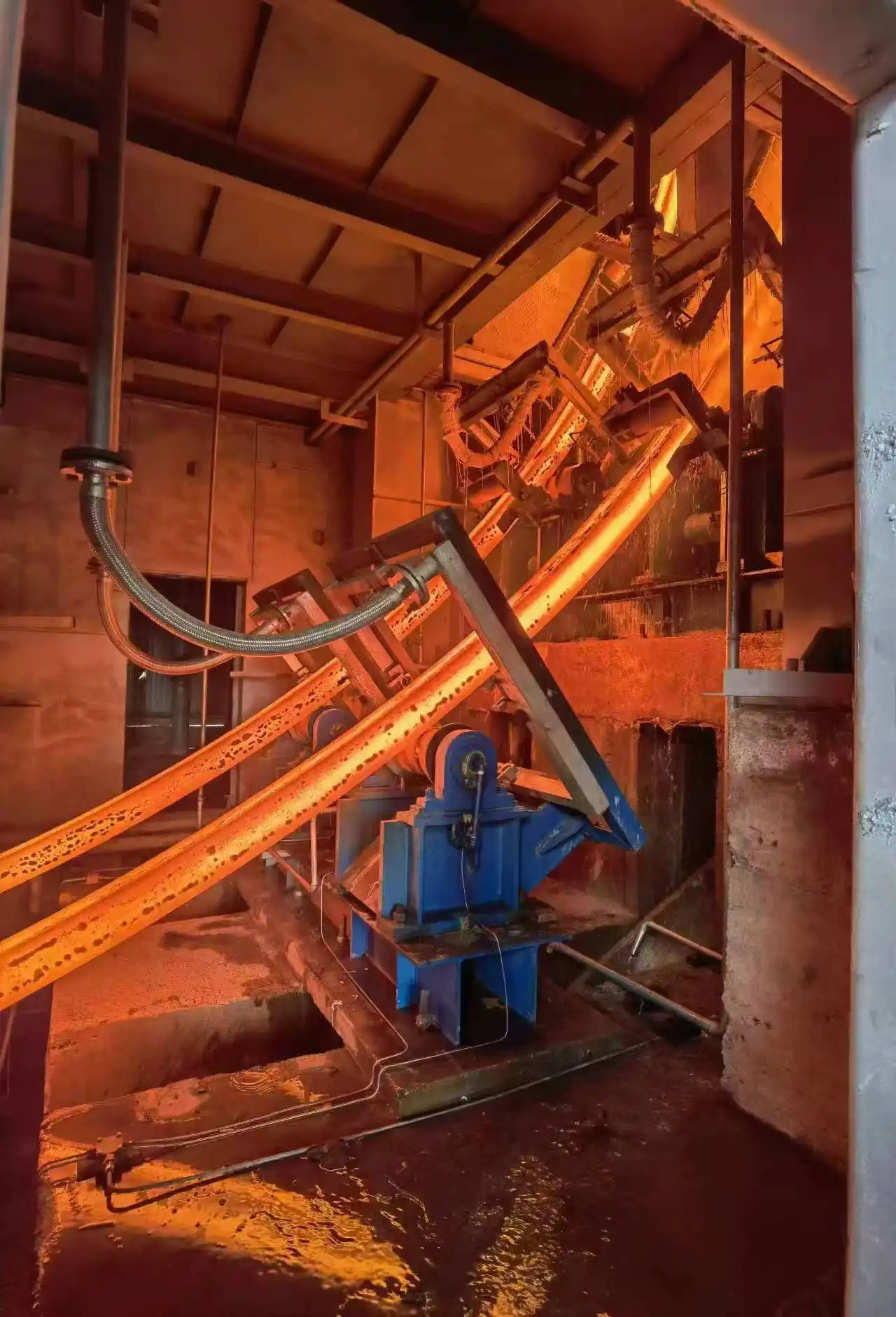
What Is a Blast Furnace Vent Valve?
Defining the Critical Component
In steel production processes, a blast furnace vent valve is the main way that the pressure is controlled. During processes that reduce iron ore, burning creates huge amounts of gas that needs to be released slowly. Without proper draining, pressure builds up to dangerous levels, which puts people and the structure at risk. This special valve keeps the inside of the boiler in perfect condition by opening automatically when certain pressure levels are hit and then closing all the way during regular operations to keep the boiler efficient and stop heat loss.
Material Composition and Design Features
To make these valves, you need materials that can stand up to harsh circumstances. The body of the valve is made of high-grade steel metals that can withstand temperature changes between room temperature and temperatures over 1,500°C. Corrosion-resistant materials cover sealed areas to stop gas-induced wear and tear that lowers performance. Response times for advanced control systems are measured in milliseconds and can be pneumatic, hydraulic, or electrical. Sealing methods use metal-to-metal seats and flexible graphite packs that stay together even when heated and cooled many times. These design factors have a direct effect on buying choices, since the quality of the materials affects how long they last and how often they need to be maintained.
Functional Significance in Steel Production
The careful balance between safety and economy is kept by using the right blast furnace vent valve. Operators of furnaces rely on steady pressure control to get the best reduction reactions. When cooling systems stop working, production stops right away so that safety issues can be fixed. Integrated steel mills that make thousands of tonnes of steel every day can't handle these kinds of breaks. The valve's quick response to changes in pressure keeps the system from shutting down in an emergency. This protects both expensive equipment and production plans that procurement teams carefully arrange with operations further down the line.
How Does the Blast Furnace Vent Valve Work?
Operational Mechanics Explained
Differential pressure sense is at the heart of how it works. As fumes build up inside the furnace, the pressure inside rises, pushing against the valve's closing device. When the pressure hits the setpoint, the actuator gets a signal. Depending on the type of valve, this signal could be mechanical, pneumatic, or electrical. It starts the opening process. The valve exit lets gas move into collection systems or scrubbers to be cleaned. As soon as the pressure goes below the level, the motor turns around and closes the valve again to keep the heater running efficiently. This cycle keeps going throughout production runs, changing based on changing working conditions without any help from a person.
Manual Versus Automatic Valve Systems
With manual valves, someone has to directly change the settings of the valves and keep an eye on the pressure readings. These systems work well for smaller businesses or backup needs where automatic rules aren't cost-effective. Plant engineers like how simple they are and how little they cost to buy at first, but the costs of labour and the chance of mistakes made by humans make these benefits less valuable.
Automatic valves integrate sensors, controllers, and actuators into self-regulating systems. Programmable logic controls keep an eye on real-time pressure data and change the settings of valves with a level of accuracy that would be impossible to do by hand. More and more steel companies that put safety and efficiency first are using these options. The technology lowers the number of people needed to respond while also improving the accuracy of those responses. This is especially helpful during night shifts or times when there are no workers but the pressure changes quickly.
Pressure Ratings and Safety Compliance
The burst pressure number tells you how much pressure a valve can handle before it fails completely. Reliable makers test their units beyond their rated capabilities to make sure they meet the safety standards of regulatory bodies like OSHA and their foreign versions. Professionals in charge of buying things must check documents that show pressure tank parts meet ASME standards. If you understand these grades, you won't use them incorrectly. For example, putting a valve rated for 50 PSI in a 100 PSI setting will definitely fail. Engineers figure out the working pressures and then choose valves that are marked 1.5 to 2 times higher. This makes sure that the valves last longer and are safe in all operating situations, even when things go wrong.
Maintenance and Troubleshooting of Blast Furnace Vent Valves
Routine Maintenance Protocols
Sticking to repair plans for the blast furnace vent valve is necessary to make valves last longer. Inspections are done every three months to check for wear on the sealed surfaces, the actuator parts, and the mounting hardware. Cleaning methods get rid of dust, tar, and burning leftovers that have built up and are getting in the way of valve function. When applied to moving parts, high-temperature lubricants reduce friction and keep them from freezing up. Documenting repair activities helps find trends that can be used to predict when parts will need to be replaced. This lets you buy parts ahead of time, so you don't have to make expensive emergency purchases.
Common Issues and Diagnostic Approaches
The most common problem is valves that won't open or close. This is usually because carbon builds up on the stems or guide surfaces corrode. Usually, taking something apart, cleaning it with the right solvents, and lubricating it will get it working again. Leakage means that the seal is wearing down and needs to be replaced, either with a gasket or packing. Delaying fixes lets gas escape, which lowers the furnace's efficiency and poses safety risks. When an actuator fails, it either responds slowly or can't work at all. Some diagnostic methods are checking the amounts of hydraulic fluid and pressure in air systems and making sure that solenoids have electrical connection. Maintaining extra parts stocks, especially seals and motors, helps plant engineers cut down on downtime when things go wrong.
Safety Precautions During Service
When working on pressurised systems, maintenance workers are in a lot of danger. Lockout-tagout processes make sure that all pressure is released before taking something apart. Valve bodies that are still hot can cause serious burns. Taking breaks to cool down and wearing safety gear can help keep you from getting hurt. Gas leftovers stuck in valve chambers could contain harmful chemicals that need to be ventilated properly and breathing apparatuses must be worn. Accident rates go down when these risks are covered in training programs. This protects both workers and operations from expensive accidents that lead to reviews by regulators and production shutdowns.
How to Choose the Right Blast Furnace Vent Valve for Your Plant?
Critical Selection Criteria
Durability is the most important thing because replacing equipment costs more than just the price of the equipment itself. It also costs money in installation labour and lost production time during changeovers. Valves made from high-quality metals and with wear parts that can be replaced offer better term value. Response traits affect operational efficiency. For example, valves must open fast enough to keep the furnace from over-pressurizing but fully close to keep the furnace's thermal efficiency. Compatible with current furnace designs get rid of the need for costly changes. Before making a final choice, procurement managers check the dimensions, fitting standards, and connection types. Certification compliance is required—ASME, API, and ISO licenses show that quality standards are met, which protects against damage claims when equipment fails.
Comparing Valve Technologies
Manual valves work best in places with skilled workers and low production numbers, where the cost of automating would be too high. Because they are mechanically simple, they are cheaper to buy and easier to fix when they break. This makes them appealing to smaller chemical and coking companies. Automatic valves are used in most high-volume steel mills that need precise control and little work from humans. Advanced models have the ability to be monitored from afar, sending information about performance to central control rooms where engineers can see problems growing before they happen. This method of predictive maintenance cuts down on unexpected downtime by a large amount. However, it comes with higher costs, so buying teams have to carefully look at the return on investment (ROI) based on production numbers and business goals.
Procurement Logistics Considerations
Leading makers of blast furnace vent valve have flexible minimum order amounts that let both large steel mills that need to buy dozens of units and smaller facilities that only need one repair. Delivery times depend on how customised the order is—standard setups ship in weeks, but engineered-to-order solutions need months to plan, build, and test. Manufacturers who are confident in their products offer warranties that cover flaws and poor performance for more than one year. Support after the sale is what sets top sellers apart from basic vendors. Technical hotlines, field service options, and the availability of extra parts make sure that operations can continue even when problems appear. This is especially helpful for foreign buyers who work in different time zones and need quick help in an emergency.
Blast Furnace Vent Valve in the Market—Trends and Innovations
Technological Advancements Reshaping the Industry
Modern valves have smart monitors that send real-time performance data, such as the number of cycles, the working temperature, and a measure of the seal state. This information is used by predictive maintenance algorithms to plan service visits based on real wear patterns instead of random time intervals. This saves money on maintenance costs and makes things more reliable. New discoveries in material science make metals that are better at fighting rust and heat stress than older generations. This means that they last longer between repairs and cost less over their whole life. Automation integration lets valves talk to burner control systems. This lets operations respond to changes in a way that improves safety and efficiency at the same time.
Sustainability and Environmental Considerations
As governments around the world require heavy industry to cut down on emissions, environmental rules are having a bigger impact on purchasing choices. Fugitive gas releases that cause air quality problems and carbon footprints are kept to a minimum by valve designs that use better closing technologies. Energy-efficient devices lower the amount of power used by a building. This helps companies meet their green goals while also cutting costs. Procurement teams that look at environmental success data like to work with companies that use green production methods. As a way to price carbon makes pollution more important from a financial point of view, these trends speed up. For forward-thinking steel makers, this turns environmental concerns from compliance expenses into competitive benefits.
Future Market Direction
As steel companies adopt Industry 4.0 ideas, experts in the field predict that clever valve systems will continue to grow. Integration with plant-wide IoT networks makes it possible to optimise the whole system, which isn't possible with separate parts. Machine learning algorithms will look at past performance data and change setpoints automatically to find a balance between efficiency goals and safety gaps. Additive manufacturing technologies offer customised valve shapes that work best with certain furnace setups, getting rid of the performance problems that come with standard designs. These new ideas make blast furnace vent valves active parts of improving production instead of passive safety devices. This changes the way buying teams look at and choose these important parts in a big way.
Conclusion
To choose the right blast furnace vent valve, you have to weigh technical specs, cost, and the specific needs of your facility's operations. When buying experts know about operating principles, upkeep needs, and market trends, they can make choices that improve safety, increase efficiency, and lower the total cost of ownership. As technology keeps getting better, places that are ready to spend money on more modern options that improve performance can take advantage of new possibilities. Pressure control is still an important part of making steel safely, and working with skilled sources who offer full technical support will help your plant stay ahead of the competition in markets that are becoming more demanding.
FAQ
What makes blast furnace vent valves different from other pressure release valves?
Both vent valves and pressure valves control pressure, but blast furnace vent valves are designed to work continuously at high temperatures in harmful gas settings. Most of the time, pressure release valves keep liquid or harmless gas systems from getting too pressurised. When used in furnaces, vent valves are made with materials and closing technologies that work with the unique problems that come up, like changing temperatures and gases that are full of particles that would quickly destroy regular relief valves.
How often should these valves be checked for maintenance?
How often you inspect relies on how busy your operations are and what the surroundings is like. Valve inspections are usually done every three months in high-volume steel mills, but they may be done every six months in moderate-duty settings. Facilities should set standard plans and then make changes based on how things are wearing out. Automated valves that can be monitored from afar provide real-time condition data that allows condition-based maintenance to find the best service times and stop problems before they happen.
Can makers make valves that fit certain boiler configurations?
Reputable makers let you change a lot of things, like the pressure levels, connection sizes, actuator types, and material specs. Engineering teams work with clients to come up with solutions that meet all of their specific operating needs. Customisation guarantees the best performance, but it takes longer and costs more than standard setups. When planning their buying strategies, procurement teams have to find a balance between exact specification requirements and budget and time limits.
Partner with SMEC for Reliable Blast Furnace Vent Valve Solutions
SMEC offers precisely built venting options backed by decades of experience in metalworking tools. Our factory in Taiyuan, China's main heavy industry hub, mixes modern production methods with strict quality control to make valves that meet international standards for tough steel production conditions. We offer full technical help from developing specifications to installation and ongoing service, thanks to our 168 engineering professionals, 30 of whom are senior engineers.
As a reliable provider of blast furnace vent valves, we know the problems that steel mills, coking plants and EPC companies around the world have when they need to buy things. In our product line, we offer both basic setups and configurations that are made just for your needs. We keep our shipping times low and make sure they are in line with ASME, ISO, and other important standards for approval. You can email our technical experts at project@smec.cc to talk about how our solutions can help you handle pressure, get more information, or get personalised quotes for your future projects. We don't just supply tools; we also build relationships that help your long-term business success.
References
American Society of Mechanical Engineers. (2021). ASME Boiler and Pressure Vessel Code: Section VIII - Pressure Vessels. New York: ASME Press.
Johnson, R.T. & Williams, K.M. (2019). Ironmaking and Steelmaking: Theory and Practice. Oxford: Butterworth-Heinemann.
National Fire Protection Association. (2020). NFPA 85: Boiler and Combustion Systems Hazards Code. Quincy: NFPA Publications.
Peterson, L.A. (2022). "Advances in High-Temperature Valve Technology for Metallurgical Applications." Journal of Materials Engineering and Performance, 31(4), 2847-2859.
Steel Manufacturers Association. (2023). Best Practices for Blast Furnace Safety and Operations. Washington: SMA Technical Committee Report.
Zhang, H., Kumar, S., & Thompson, D.J. (2020). "Predictive Maintenance Strategies for Industrial Valve Systems in Steel Production." International Journal of Advanced Manufacturing Technology, 108(7-8), 2315-2328.
Free consultation & volume discounts available
SEMC focuses on the entire metallurgical process—from coking, ironmaking, and steelmaking to continuous casting and rolling. Whether you face challenges related to equipment upgrades, energy efficiency optimization, or overall process transformation, please fill in the following information. Our technical team will provide you with tailor-made high-end equipment upgrade solutions and professional EPC design services to help your project be implemented efficiently.


Recommended Blog


