How to Choose Blast Furnace Slag Granulation Equipment
Understanding Blast Furnace Slag Granulation Equipment
- Understanding Blast Furnace Slag Granulation Equipment
- Key Criteria for Choosing Blast Furnace Slag Granulation Equipment
- Comparing Granulation Equipment Options on the Market
- Matching Equipment Choice to Your Specific Procurement Needs
- Future Trends and Innovations in Blast Furnace Slag Granulation Technology
- Conclusion
- FAQ
- Partner with SMEC for Advanced Slag Granulation Solutions
- References
Choosing the right blast furnace slag granulation equipment is a big choice that will have a big effect on how well your facility runs, how well it protects the environment, and how much money it makes in the long run. When liquid slag comes out of blast furnaces at temperatures between 1450°C and 1550°C, the right granulation system turns it into useful powdered material that is very good at sticking together. Your choice should take into account the needs of your industrial processes while also taking into account production capacity, energy use, material durability, and automation options. Procurement teams can make better choices that meet both current production needs and long-term growth goals when they know about the technical factors, business benefits, and provider capabilities.
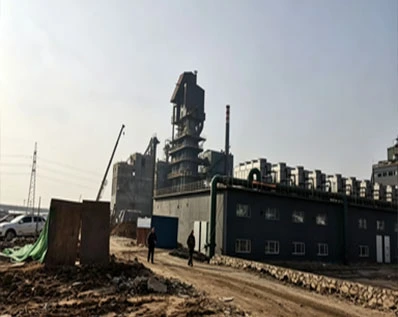
Understanding Blast Furnace Slag Granulation Equipment
What Defines Modern Granulation Systems?
When melted slag is quickly cooled down into a glassy, granular state called Granulated Blast Furnace Slag (GGBFS), this is called blast furnace slag granulation equipment. Important problems in the industry are fixed by this technology: a lot of energy is lost during normal cooling, molten waste that isn't handled is bad for the environment, and it's hard to get the most hydraulic action out of cement uses. High-pressure water jets or mechanical atomization are used by the equipment to stop crystallization. This keeps the slag's useful cementitious qualities while controlling harmful sulfur releases and restoring thermal energy.
Primary Application Scenarios
The equipment is used in three dangerous work settings. It is used for rapid on-site granulation in integrated iron and steel plants, which lowers the risks of handling molten material and improves operations. Specialized cement factories use it as their main tool for making GGBFS, and controlled cooling conditions are very important for making sure the addition reacts chemically. Marine and infrastructure engineering projects set up the machines to make slag with specific grain size distributions—usually between 0.5mm to 5mm—that can be used to make high-durability concrete that can be used in salty marine environments where regular materials would break down when chloride gets into them.
Core Operating Mechanisms
Water granulation and roller granulation are the two main methods that shape the market. High-speed water jets are used in water granulation systems to break up and cool liquid slag at the same time. This creates a glass phase content of more than 95% through rapid thermal shock. The INBA spinning drum method is better at removing water and takes up less space, but it needs more complex mechanical upkeep. In roller granulation, spinning drums or disks break up the slag manually while controlled water cooling keeps it cool. Depending on your production size, the tools you have access to, and the needs of the final product, each way has its own benefits.
Knowing these basic workings helps you figure out which technology will work best with the ones you already have in place. The ratio of water to slag is usually between 1:8 and 1:12, and the cooling speed is set to be faster than the rate at which material components crystallize. Modern units have chromium-molybdenum metals for the granulator heads that don't wear down easily, steam condensation systems built in, and PLC-based automatic flow control that is made to meet ISO 13500 and ASTM C989 standards.
Key Criteria for Choosing Blast Furnace Slag Granulation Equipment
Production Capacity and Throughput Requirements
Your choice of tools starts with a correct assessment of its ability. High-end systems can handle more than 1,500 tons of slag per day per unit, but your needs will depend on the output of your blast furnace, its working schedules, and any planned production rises. When there is too much capacity, energy is wasted, and when there is not enough capacity, bottlenecks form that lower the general productivity of the business. Look at how much waste is being made now and how much you think it will grow over the next 10 to 15 years that the equipment is supposed to be in use. Systems can adjust to different slag viscosities and handle both peak loads and planned repair times thanks to variable frequency drives (VFD) and adjustable nozzle angles.
Energy Efficiency and Operating Economics
The amount of energy you use for blast furnace slag granulation equipment has a direct effect on your total cost of ownership. Modern granulation systems have thermal energy recovery units that collect the steam that is made during cooling and turn it into energy that can be used in other parts of the plant. You should think about how much energy the water circulation system needs for pumping, motor drive power, and other tools. These days, modern designs use closed-loop water systems that use less fresh water and release less heat waste. To get a good idea of how much it costs to run a business, you should figure out the lifecycle energy costs, which include things like power, water treatment, and maintenance services.
Material Durability and Maintenance Accessibility
Because melted silicates are rough and toxic, materials must be very durable. X-ray Diffraction (XRD) tests to check for glass content and laser diffraction to check for consistent particle size are two of the most important inspection tasks. Important things to check for during inspection are the granulation drum's dynamic balance, the nozzle manifold's hydraulic pressure stability, and the end product's moisture content, which is usually kept below 15% through mechanical drying. Liners and turbine blades are tested for wear resistance to make sure that their service life matches the campaign life of your blast furnace.
Accessibility for maintenance has a big effect on how long repairs take and how much they cost. Maintenance gaps are shorter when equipment is made with flexible parts, wear parts that can be changed quickly, and inspection ports that are easy to get to. Granulation heads usually need to be inspected every 3,000 hours, and the alloy plates need to be changed every 12 to 18 months, based on how acidic the slag is. Whether a small component failure causes hours or weeks of production loss depends on how quickly spare parts can be sent and how responsive the provider is.
Automation and Process Control Features
Process control, safety, and product stability all get better with more advanced technology. Programmable logic processors (PLCs) are now built into modern systems. These PLCs keep an eye on and change the quenching settings, water flow rates, and slag feed speeds in real time. Automatic controls take into account changes in the slag's temperature and make-up, keeping the ideal glass content and particle size distribution even when the process upstream changes. Safety interlocks keep tools from working when it's not safe to do so, which protects both people and property.
Integration with the plant control tools you already have in place lets you do centralized tracking and data analysis. IoT sensors gather operating data that shows ways to be more efficient, suggests when maintenance will need to be done, and keeps track of environmental compliance. As facilities adopt Industry 4.0 ideas and smart production strategies, these features become more crucial.
Comparing Granulation Equipment Options on the Market
Performance Advantages of Modern Technologies
Compared to old-fashioned slag cooling methods, modern grinding methods offer big improvements in performance and environmental friendliness. Traditional pit cooling creates solid slag that isn't very useful for cementitious purposes. On the other hand, modern granulation systems make glass phase content above 95%, which makes premium-grade GGBFS that sells for more money. Rapid quenching lowers the amount of space needed for cooling operations and gets rid of the problems that come with slag dumping places polluting land and water.
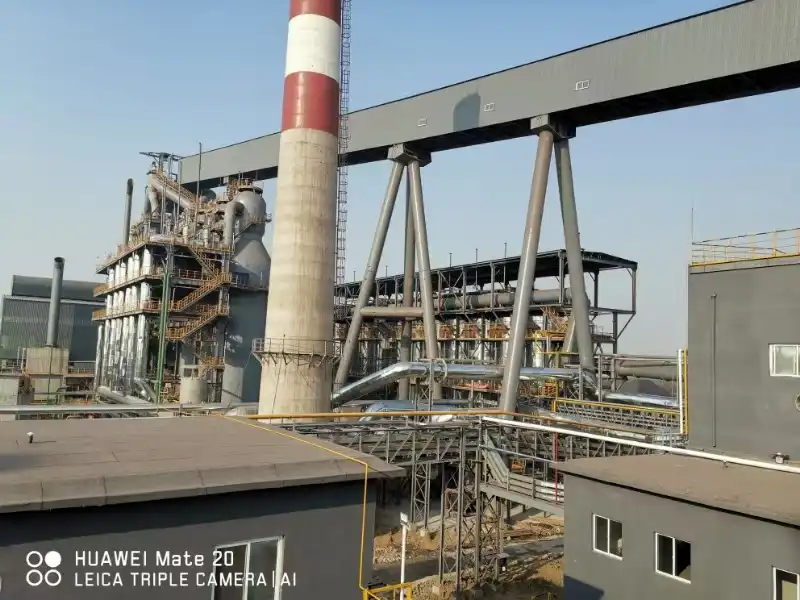
There are more environmental benefits than just reducing waste. Chemical cleaning towers and sealed condensation hoods reduce H2S and SO2 emissions before they are released into the air. This helps meet the United States' stricter air quality standards. Water recycling systems reduce the amount of fresh water that is used and get rid of worries about thermal waste. These environmental benefits mean that you will follow the rules, get along better with others, and be able to get green building material certifications, which will help you reach more customers.
Evaluating Manufacturer Credentials
Long-term equipment satisfaction is heavily affected by the image of the manufacturer and the help provided after the sale. When evaluating possible suppliers, you need to look at their engineering skills, quality control methods for manufacturing, and results at the installed base. Companies that have their own research centers and work with universities show that they are committed to always getting better and being the leaders in technology. Equipment that is more reliable and consistently performs well is made in factories that have a lot of testing tools and quality control procedures.
Support after the sale for blast furnace slag granulation equipment decides whether operating problems are small annoyances or major problems. Help with setup, training for operators, predictive maintenance programs, and quick access to parts are all parts of comprehensive support. When compared to makers far away who only use third-party service providers, suppliers with established service networks in the US offer faster reaction times and lower logistics costs. Quality technical documents, the ability to do diagnostics remotely, and process improvement advice all add value over the lifecycle of an item.
Pricing Transparency and Total Investment
Knowing the total amount of money that needs to be spent on a job is important for making accurate budgets and plans for money. The price of equipment depends on its size, amount of automation, the materials used, and any customization needs. In addition to the buy price, you should think about the costs of the base and installation, connecting the water and electricity utilities, commissioning, and training the user. Longer service agreements and warranty periods (usually one to three years) change how risk is shared between the customer and the provider.
Logistics for delivery and the ability to ship goods internationally affect project costs and timelines. Lead times and customs problems are cut down by using domestic providers or makers with U.S. distribution hubs. Knowing who is responsible for freight, what insurance covers, and what the import taxes are can help you avoid unexpected costs. Cash flow management and project success are affected by payment terms, currency issues, and the availability of funding.
Matching Equipment Choice to Your Specific Procurement Needs
Segmenting Application Requirements
For different commercial uses, the equipment needs to be set up in different ways. Steel plants that want to keep running all the time need multiple systems or the ability to quickly switch between systems so that production doesn't stop. Cement plants that want to use high-quality GGBFS grades need precise process controls to make sure that the glass content and particle size stay the same. Integrated systems that combine granulation with gas cleaning and thermal energy recovery are helpful for chemical plants that want to get back useful by-products.
The temperature, density, chemical make-up, and flow rate of slag all affect how equipment needs to be designed. High-calcium slags behave differently than high-alumina ones, which changes the best water-to-slag ratios and valve arrangements. Knowing the exact qualities of your slag lets you precisely specify the tools you need, so you don't have to worry about performance issues or extra costs.
Standard Versus Customized Solutions
Off-the-shelf equipment has benefits over fully personalized systems, such as designs that have been used before, faster delivery times, and lower costs. Standard models work with facilities that deal with normal waste and normal output levels. But if the site has special needs, like limited room, limited utilities, or the need to work with existing infrastructure, the design may need to be changed. Environmental permits or specific product needs can sometimes call for designed solutions that go beyond what is normally available.
When you work with original equipment makers (OEMs), you can get tech help that makes sure the equipment fits your needs perfectly. Expert makers look at the properties of your slag, your output goals, and the conditions of the spot to suggest the best designs. This way of working together finds value-engineering possibilities that cut costs without lowering performance and make sure that all rules and standards are followed.
Decision Framework and Negotiation Strategies
It's easier to balance different goals for blast furnace slag granulation equipment when you use an organized decision matrix. Capacity, efficiency, longevity, automation, cost, and support are some of the evaluation factors that you should think about based on the goals of your facility. Use these weighted criteria to compare possible providers and equipment choices and find the one that offers the best value overall, not just the lowest price.
Negotiating well involves more than just price. It also involves things like training rules, performance promises, service terms, and the cost of spare parts. Setting clear acceptance criteria, such as capacity trials, energy consumption goals, and product quality standards, protects your interests and makes the seller responsible. Setting payment goals based on project progress, delivery, approval, and performance testing makes sure that everyone is working toward the same goals and reduces financial risk.
Future Trends and Innovations in Blast Furnace Slag Granulation Technology
Automation and Digital Integration
Automation, Internet of Things (IoT) connectivity, and data-driven process improvement are becoming more and more important in slag granulation innovation. Smart sensors check the health of equipment, predict when parts will break, and schedule repair for planned downtimes instead of waiting for problems to happen. Machine learning algorithms look at past working data to find ways to make things more efficient. They do this by automatically changing process settings to get the most glass while using the least amount of energy.
Digital twin technology makes virtual copies of real equipment. This lets workers try changes to processes, fix issues, and train staff in secure virtual settings before putting the changes into production systems. Equipment providers can offer proactive technical help by identifying problems and suggesting solutions through remote tracking, before small issues become major failures.
Environmental and Energy Innovations
New technologies put an emphasis on being eco-friendly and saving energy. Newer heat recovery systems get more out of the cooling process by making higher-pressure steam that can be used to make electricity or heat processes. Modern methods for treating water cut down on the need for blowdown and allow closed-loop operation even when the water chemistry is difficult. Low-noise designs and technologies that keep dust out help the environment and the community at the same time.
Getting rid of carbon emissions drives progress all along the value chain for slag grinding. Motor designs that use less energy, hydraulic systems that work better, and smart settings all help keep power use to a minimum. Choosing materials that are durable and easy to recycle helps the environment over their whole life. These new ideas put forward-thinking sites in a better position to meet stricter environmental rules while also cutting costs.
Planning for Scalability and Upgrades
Strategies for buying things should think about what people will need in the future and how technology will change. Modular equipment designs let you add more units instead of replacing the whole system when you need to increase the capacity. Automation systems that can add more I/O and computer power can add new sensors and control methods as they become available. Choosing tools from companies that promise backward compatibility and update tracks will protect your investment from becoming outdated.
Looking at providers' promises to do research and development can help you figure out what new ideas might come up in the future. By putting money into advanced research centers, keeping university relationships, and actively contributing to the creation of industry standards, manufacturers will likely be able to bring next-generation technologies to market that will help current customers through upgrades and technical improvements.
Conclusion
It's important to find the right blast furnace slag granulation equipment system by weighing technical requirements, working needs, and long-term strategy factors. The best equipment changes molten slag quickly and efficiently while using the least amount of energy and having the least amount of effect on the environment and on upkeep needs. To be successful at procurement, you need to correctly estimate your capacity needs, understand the properties of slag, evaluate the skills of suppliers, and negotiate thorough support agreements. Your building will stay ahead of the competition as long as it has modern systems for automation, energy recovery, and environmental compliance. Spending time on careful analysis, creating detailed specifications, and choosing a provider pays off in the form of decades of steady operation and the best possible use of slag.
FAQ
How does granulation equipment maximize slag hydraulic activity?
To get high hydraulic activity, you need to keep the water-to-slag ratios stable and use high-pressure atomization to make sure that cooling happens faster than the rate at which crystals crystallize. The quick temperature shock stops the formation of crystal structures, keeping the amorphous glass phase with the reactive silicates and aluminates that are needed for the cementitious qualities. To get the most glass content, systems made for making GGBFS put cooling speed ahead of other factors.
What factors most significantly influence equipment energy consumption?
In most granulation systems, the biggest energy user is the flow of water, followed by the motors that turn the equipment. Operating costs are cut by a large amount when high-efficiency pumps are used, piping layouts are adjusted to reduce pressure losses, and variable speed drives adjust power use to real demand. Heat recovery systems that use steam energy to make process heat or electricity can help offset some of the electricity that is used.
How do I verify supplier credibility before purchasing?
Ask for examples from places that use similar equipment in similar situations, and then go to those places and watch how the equipment is actually working. Check the technical qualifications, quality control systems, and manufacturer certifications. Check out their installed base size, how long they've been in business, and how stable their finances are. Suppliers who are trustworthy will provide detailed scientific information, clear pricing, and performance promises to make sure their customers are happy.
Partner with SMEC for Advanced Slag Granulation Solutions
At SMEC, we know that picking the right maker of blast furnace slag granulation equipment requires knowledge, dependability, and full support for the whole duration of the equipment. Our engineering team, which is made up of 168 technical professionals and 30 senior engineers, uses decades of experience with mining equipment to make sure that the granulation systems we give meet all of your specific needs. Our 68,700-square-meter plant is in Taiyuan City, which is the heavy industry hub of Shanxi Province. It has advanced manufacturing tools and strict quality control procedures that make sure every system meets international standards.
We offer full solutions that include everything from the initial design advice to training for operators and ongoing technical support. Our relationships with universities and the Large-scale Intelligent Coking Equipment Research Institute ensure that we are always coming up with new ideas and providing cutting-edge technologies that meet the changing needs of the industry. SMEC has the technical know-how and production skills to help your business succeed, whether you need standard capacity equipment or custom solutions for unique uses.
Get in touch with our International Trade Department at project@smec.cc to talk about your slag granulation needs, get full technical specs, and find out how our solutions can help your plant run more efficiently while still following environmental rules.
References
Chen, W., & Zhang, Y. (2021). Advances in Blast Furnace Slag Treatment and Utilization Technologies. Metallurgical Industry Press.
Kumar, S., et al. (2020). Performance Evaluation of Modern Slag Granulation Systems in Integrated Steel Plants. Journal of Sustainable Metallurgy, 6(3), 445-462.
Peterson, R. M. (2019). Granulated Blast Furnace Slag: Production, Properties and Cementitious Applications. American Concrete Institute Special Publication.
International Organization for Standardization (2018). ISO 13500: Petroleum and Natural Gas Industries - Drilling Fluid Materials - Specifications and Tests.
Wu, T., et al. (2022). Energy Recovery and Environmental Control in Blast Furnace Slag Processing. Elsevier Science Publishers.
ASTM International (2020). ASTM C989/C989M - Standard Specification for Slag Cement for Use in Concrete and Mortars. ASTM Standards Collection.
Free consultation & volume discounts available
SEMC focuses on the entire metallurgical process—from coking, ironmaking, and steelmaking to continuous casting and rolling. Whether you face challenges related to equipment upgrades, energy efficiency optimization, or overall process transformation, please fill in the following information. Our technical team will provide you with tailor-made high-end equipment upgrade solutions and professional EPC design services to help your project be implemented efficiently.