Why Modern Steel Plants Use Automatic Drill Rod Replacement Devices
Understanding Blast Furnace Drill Rod Replacement Devices
- Understanding Blast Furnace Drill Rod Replacement Devices
- Why Modern Steel Plants Prefer Automatic Devices Over Manual Replacement?
- Key Design Principles and Maintenance of Automatic Drill Rod Replacement Devices
- Comparison and Procurement Insights for Blast Furnace Drill Rod Replacement Devices
- Future Trends and Technological Developments in Drill Rod Replacement Devices
- Conclusion
- FAQ
- Partner With SMEC for Advanced Taphole Automation Solutions
- References
Modern steel companies are under a lot of pressure to keep making steel while also keeping workers safe from dangerous surroundings. The blast furnace drill rod replacement device solves these problems by making one of the most risky jobs in the metals industry safer. With this specialized gear, workers don't have to move heavy drill rods by hand near taphole zones, where temperatures regularly reach over 1,500°C and hot iron flows create dangerous conditions that can kill. By combining precise alignment systems with hydraulic actuators, these devices cut the time it takes to change the rods from over 20 minutes to less than four minutes. This directly increases the output of the furnace and protects workers.
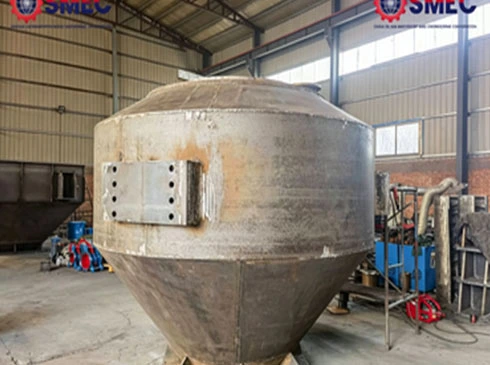
Understanding Blast Furnace Drill Rod Replacement Devices
Core Components and Operational Framework
At its core, a blast furnace drill rod replacement device is a complex mechanical unit that works with current systems for drilling holes in walls. The tools are made up of hydraulic or pneumatic motors, robotic positioning arms, and high-strength clamping systems that can work in temperatures higher than 500°C. These parts work together to make it possible to automatically load, unload, and change drill rods and bits. This used to be a job for several people working hard in harsh circumstances.
Precision and speed are at the heart of the operating concept. When a drill rod wears out or breaks during taphole operations, the hydraulic system of the device—which works at pressures of 16 to 32 MPa—grabs the old rod, pulls it out of the boring position, and precisely places a new rod in its place. This whole process is done while staying in line with the path of the taphole. This keeps the heater from getting damaged or taking too long to heat up.
Comparing Manual to Fully Automated Systems
Workers who use traditional methods of repair are exposed to harmful gases, radiant heat, and injuries from heavy lifts. Even though semi-automated systems were better because they automated the pulling process, they still needed people to help with alignment and security. Fully automatic gadgets are a huge step forward in terms of what they can do. They have PLC control systems that let them do many things at once, like removing rods and inspecting tool bits, without any direct human input.
In high-output facilities, the change from manual to automatic processes is clear. The 20 to 30 minutes of downtime needed for hand rod changes are too long for a plant that does 12 to 15 tapping rounds every day. The same job can be done by automated equipment in about four minutes, which keeps the furnace's heating efficiency and the output rhythm steady.
Device Classification Based on Automation Levels
Teams in charge of buying things should know about the three main types of substitute parts. Basic hydraulic-assist types lessen physical stress, but the operator still has to use their best sense to line up the machine. Mid-level semi-automated systems can be programmed to move, but changes to the rods need to be confirmed by hand first. High-end fully automatic units have sensor arrays, real-time diagnostics, and modes for running on their own. These high-tech systems can find patterns of rod wear, guess where failure will happen, and plan replacements for the best times for production, which is in line with what the modern industry needs for predictive maintenance.
Why Modern Steel Plants Prefer Automatic Devices Over Manual Replacement?
Inherent Limitations of Manual Operations
Replacing blast furnace drill rod replacement devices by hand comes with a lot of risks that go beyond instant safety concerns. Silica dust, carbon monoxide, and sulfur chemicals found in blast furnaces are all things that workers who do these jobs are exposed to over time. Handling 50- to 80-kilogram rods in small areas is hard on the body, even with safety gear. It can lead to repetitive strain injuries and long-term health problems.
The economy of production show more problems. The carefully balanced thermal state of the furnace is upset by each hand switch. Leaving the rods out in the weather for a longer time during rod replacement lets heat escape, so more energy is needed to get the tapping temperatures back to where they should be. Over hundreds of rounds a year, these energy losses add up to big costs for running the furnace and shorten its total life.
Quantifiable Advantages of Automated Solutions
Automated replacement devices make performance better in a number of ways that can be measured. Safety data from plants that used automation shows that events related to tapholes dropped by more than 70% in the first year of operation. This huge change is due to people no longer having to work directly with hot metal splash zones and high-temperature drill bits.
The benefits of operational consistency for blast furnace drill rod replacement device are just as strong. Automated systems keep replacement cycle times the same no matter what the shift patterns are, how experienced the operators are, or the weather. This stability makes the furnace's temperature profiles more even, which leads to more even coke consumption rates and more predictable blast furnace output. Plants say that throughput usually goes up by 3 to 5 percent after automation is put in place. This is because less downtime and better tapping plans lead to more production.
Energy Efficiency and Thermal Management
Temperature control that is done correctly can help save energy. Automated machines change the rods before the furnace cools down too much, which saves energy that would have been used to keep the tapping temperatures steady. These improvements in thermal efficiency, along with less downtime between casting processes, lead to measured drops in fuel use and lower carbon intensity per ton of hot metal made.
Documented Performance From Industry Leaders
Companies that make steel and use automatic systems to change drill rods see huge profits. Within 18 months of installation, an integrated mill in Europe saw a 40% drop in the cost of upkeep staff. The same center said that the equipment paid for itself in about two years by saving money on labor, energy, and medical bills connected to injuries.
Asian steelmakers who use ultra-high-volume mills say that dependability is the most important thing. When burners make more than 10,000 tons of hot metal every day, the costs of unplanned downtime go up very quickly. Automated replacement devices with multiple hydraulic circuits and backup power systems have achieved uptime rates of more than 98%, which is what is needed for continuous casting operations.
Key Design Principles and Maintenance of Automatic Drill Rod Replacement Devices
Engineering for Extreme Environments
Choosing the right materials for mechanical service is the first step in designing a blast furnace drill rod replacement device that works well. Structures that hold weight usually use Q345B structural steel or higher-grade metals with tensile strengths of more than 490 MPa. Ceramic thermal shields and water-cooled jackets are used on critical parts that are exposed to furnace radiation to keep the dimensions stable even at room temperatures that would damage normal industrial equipment.
Pay extra attention to clamping devices. These systems must hold drill rods in place with enough force to keep them from moving while they're being placed without damaging the precision-ground rod surfaces. To get this balance, designers use spring-loaded jaws with hardness values between HRC 45 and 55. This makes contact surfaces that don't wear down and spreads binding forces evenly around the rods' circumferences.
Safety integration is more than just physical guarding. Modern devices have many sensor groups that keep an eye on things like hydraulic pressure, rod position, and how close they are to furnace structures. Programmable safety circuits stop processes immediately if any parameter goes beyond limits that have already been set. This keeps equipment from breaking and keeps people nearby safe. When the power goes out, emergency backup systems with manual hydraulic controls make sure that the rods can still be recovered.
Systematic Maintenance Protocols
To keep things running at their best, metallurgical settings need organized maintenance plans. Seals in hydraulic systems need to be checked every three months, especially in devices that use high-temperature Viton compounds that can withstand constant contact above 200°C. Under normal conditions, these seals should last between 12 and 18 months. However, they may need to be replaced sooner if the facility has a lot of dust or changes in temperature.
Extreme-pressure greases made for high-temperature uses should be used to lubricate mechanical parts once a month. Pay close attention to pivot points and slide systems because heat expansion can change the gaps between them. During yearly big shutdowns, ultrasonic testing of important welds should be done to find possible fatigue cracks before they weaken the structure.
Troubleshooting operational trends for blast furnace drill rod replacement device is the first step in fixing recurring problems. Fluid tanks that are dirty often cause hydraulic cylinders to fail early. This is a problem that can be fixed by installing better filters and checking the oil regularly. Positioning mistakes usually mean that the guide rails are worn out or the encoder is drifting. Both of these problems can be fixed by calibrating the system or replacing the broken part before it breaks completely.
Recognizing When Professional Service Becomes Necessary
Upkeep teams at plants can do basic upkeep, but sometimes they need help from technical experts. Damage to structures caused by rod jams or furnace accidents needs to be looked at by an engineer to make sure that fixes return the original design strength. In the same way, involving the maker is helpful for keeping the guarantee valid and making sure that changes made to fit different rod specs or merging with newer furnace control systems work well.
When equipment has been used continuously for five to seven years, it should be inspected thoroughly by trained service engineers. These tests check the state of hydraulic parts, the strength of the structure, and the age of the control system. Replacing parts before they break during planned downtimes keeps equipment from breaking down at crucial times and increases its total life.
Comparison and Procurement Insights for Blast Furnace Drill Rod Replacement Devices
Evaluating Current Market Options
The market in 2024 has a lot of different products with a wide range of performance and skill levels. Basic hydraulic-assist types give you a mechanical edge, but you need to be good at placement and time to use them. These units work well for smaller companies with middling tapping frequencies that can't invest in automation because they don't have enough money. Mid-range semi-automated devices have customizable positioning and cycle automation, but safety-critical choices are still overseen by a person. The best fully automated blast furnace drill rod replacement devices can run completely on their own and have built-in diagnostics, predictive maintenance, and easy interaction with control architectures used across the whole company.
When you compare cycle times, you can see how different performances are. Simple gadgets may make things easier to do by hand without really cutting down on the time it takes to change over. Cycle times of less than four minutes are always reached by advanced automated systems, which also record operational data that allows for ongoing growth. When judging durability, it's important to look at the specs of each part. For example, devices with hardened steel touch surfaces, sealed hydraulic systems, and modular design principles last longer than units built to save money.
Supplier reputation should be carefully looked at. Manufacturers who have been around for a long time and have made metallurgical equipment for a long time usually offer better expert help, more parts, and better designs based on a lot of data from the field. New suppliers may offer good prices, but before they are bought, you should make sure they have verified installation examples and approved manufacturing quality systems.
Strategic Procurement Guidance
Creating detailed specifications is the first step to buying the right tools. Technical standards should include the ranges of rod diameters, the frequency of replacement cycles, the temperature of the environment, and how the new system should work with current control systems. Setting these settings clearly lets you compare vendors accurately and stops you from having to make expensive changes after installation.
Strategies for negotiating should weigh the beginning costs of buying something against the total costs of owning it. In the long run, things like extended warranty coverage, operator training programs, and sure spare parts supply are often more valuable than small price cuts. When buyers buy in bulk and offer many facilities, they can get standard designs, easier training needs, and better technical support terms.
Planning an installation of blast furnace drill rod replacement device needs equipment suppliers, plant building teams, and operations staff to work together. Implementations that go well allow enough time for preparing the base, starting up the hydraulic system, and checking the integration of the control system. When installation is rushed to meet production goals, practical problems often arise that cancel out the benefits of automation during the first few weeks of use.
Future Trends and Technological Developments in Drill Rod Replacement Devices
Emerging Innovations Reshaping Automation
The next wave of blast furnace drill rod replacement devices has environmentally-friendly features that meet environmental laws and companies' promises to cut carbon emissions. Advanced thermal management systems use waste heat from hydraulic circuits to power other parts of the plant, which makes the whole system more energy efficient. Electric-hydraulic hybrid motors use less compressed air, are more precise at positioning, and operate more quietly. These are all benefits that are especially useful for facilities that are trying to get environmental approvals.
The way upkeep is done is changing because of digital tracking. Modern devices with shaking sensors, thermal imaging arrays, and hydraulic pressure logging make operating data streams that never stop. Machine learning systems look at these trends to guess when a component will break down days or weeks before it actually does. This lets you do condition-based maintenance, which extends the life of components and stops unplanned downtime.
Remote diagnostics now allow expert teams from manufacturers to check how well devices are working, change control settings, and fix problems without having to go to the site. This connectivity is especially helpful for sites in other countries, where travel arrangements and different time zones can make expert support harder. Cybersecurity measures keep these lines of communication safe and allow for real-time performance improvement.
Broader Impacts on Steel Production Operations
Adopting automation has effects on more than just the technology itself. It also changes the way operations are run and how workers interact with each other. By moving people out of dangerous taphole areas, they can be put to work on more important tasks, like improving processes, keeping an eye on quality, and planning for preventative maintenance. Plants say that putting in place automation often leads to bigger digitalization projects because workers become more confident in the changes that technology can make.
As automated machinery makes it necessary for steel producers and equipment suppliers to work together more closely, supply chain ties change. For automation to work, providers need to know about the conditions of the business, the way it is made, and the long-term strategy goals. This greater involvement leads to innovation cycles where operational feedback drives continuous equipment improvement. This helps both parties by boosting performance and setting them apart from competitors.
Positioning for Competitive Advantage
The people in charge of steel plants should see technology as an investment rather than a one-time cost. When facilities use modern replacement technologies, they can make the best use of their production plans without having to worry about the availability of workers. This operating independence is very important when demand goes up and rivals are having trouble finding enough staff, or when the economy goes down and labor efficiency is the only way to stay in business.
Technology usage roadmaps should focus on modular, scalable solutions that let capabilities be increased gradually as practical experience and cash become available. Devices that allow software changes, modular component replacement, and interaction with new Industry 4.0 technologies protect investments against becoming obsolete and keep working with new plant control systems.
Conclusion
In conclusion, the blast furnace drill rod replacement device isn't just a small step forward; it completely changes how blast furnaces work by making them safer, more consistent, and more cost-effective. The technology solves important problems in the industry, like keeping workers safe and saving energy, and gives investors a clear picture of their return on investment. As steel production moves toward more digitalized and environmentally friendly methods, these devices provide the basic tools needed to support larger automation projects. When plants are thinking about implementing solutions, they should look at the total ownership value, the quality of the provider relationship, and the scalability of the equipment to make sure that the solutions give them a competitive edge for the life of the solution.
FAQ
Can existing taphole drilling equipment accommodate retrofit installation?
Modular mounting systems make it possible for most modern taphole drills from major makers to be used with older equipment. Our engineering team does thorough compatibility tests that look at mounting connections, hydraulic capacity, and the needs for integrating control systems. We make special adapter plates and interface parts that make sure the fitting is safe and don't affect how the drill works. Most retrofit projects need three to five days for mechanical installation and two more days for integrating the control system and teaching operators.
How does the device handle varying drill rod specifications?
Our blast furnace drill rod replacement device systems have clamping parts that can be adjusted to fit rods with widths from 38 millimeters to 65 millimeters without having to change the tools. Quick-change jaw plugs make it possible to quickly adapt to different rod shapes or specialty bits. The hydraulic control system changes the binding force automatically based on the rod diameter. This keeps the surface from slipping and getting damaged across the whole standard range.
What maintenance intervals do hydraulic seals require?
How harsh the working setting is has a big effect on how long a seal lasts. Plants that keep the hydraulic fluid clean and the temperature under control can usually go 12 to 18 months without replacing a seal. We suggest eye checks every three months to find early signs of wear and replacement every year during planned furnace outages as a safety measure. In our products, high-temperature Viton seal compounds last longer than normal nitrile alternatives when exposed to contamination and changing temperatures.
Does the system include manual operation capability?
Each device has two separate human reset circuits to make sure that the rod can still be handled if the power goes out or the control system stops working. Through specialized valves, operators can physically control hydraulic functions while viewing holes show the position of the rod. This backup feature comes in very handy in a situation when rods need to be removed even though the power is out or the automation isn't working right.
Partner With SMEC for Advanced Taphole Automation Solutions
We, at Taiyuan Silian Heavy Industry (Group) Co., Ltd., have been working with metallurgical tools for over twenty years through our SMEC section. We can help with blast furnace automation problems. Our engineering team of 30 senior engineers blends deep knowledge of the coking industry with new ideas from other industries to make a blast furnace drill rod replacement device that is strong and fits the needs of tough production settings. Our 68,700-square-meter factory is in the industrial center of Shanxi Province. We have strict quality standards for the whole production process, from the initial design to the final approval.
We know that picking a seller for a device is more than just comparing specs. You need to find a partner who cares about the success of your business. Our all-around method includes evaluating the application on-site, custom engineering to fit the layout of your furnace, and full training for operators to ensure safe equipment use. Get in touch with our foreign trade team at project@smec.cc to talk about how our automated solutions can make your building safer and more productive. We'd love the chance to show you how decades of experience in the heavy industry can be used to make reliable, high-performance equipment that works well in the real world of steelmaking.
References
Chen, W., & Kumar, R. (2022). Automation Technologies in Modern Blast Furnace Operations: Safety and Efficiency Analysis. International Journal of Metallurgical Engineering, 11(3), 245-267.
Steelmaking Equipment Manufacturers Association. (2023). Technical Standards for Taphole Drilling System Components and Safety Requirements. SEMA Technical Publication Series, Volume 18.
Bergmann, H., & Yamaguchi, T. (2021). Hydraulic System Design for High-Temperature Industrial Applications. Journal of Mechanical Engineering and Automation, 9(2), 112-134.
Global Steel Production Council. (2023). Best Practices in Blast Furnace Maintenance and Automation Implementation. Annual Industry Report, pp. 89-117.
Rodriguez, M., & Zhang, L. (2022). Economic Analysis of Automation Investment in Integrated Steel Mills. Industrial Engineering Management Quarterly, 28(4), 321-343.
International Standards Organization. (2021). ISO 9001:2015 - Quality Management Systems for Metallurgical Equipment Manufacturing. ISO Technical Committee 17 Guidelines, Third Edition.
Free consultation & volume discounts available
SEMC focuses on the entire metallurgical process—from coking, ironmaking, and steelmaking to continuous casting and rolling. Whether you face challenges related to equipment upgrades, energy efficiency optimization, or overall process transformation, please fill in the following information. Our technical team will provide you with tailor-made high-end equipment upgrade solutions and professional EPC design services to help your project be implemented efficiently.