Step-by-Step Guide to Blast Furnace Renovation Projects
Understanding Blast Furnace Renovation: Basics and Benefits
- Understanding Blast Furnace Renovation: Basics and Benefits
- Detailed Step-by-Step Blast Furnace Renovation Process
- Comparing Renovation with Replacement: Making the Informed Choice
- Navigating Procurement: Pricing, Contracts, and Customized Solutions
- Leading Blast Furnace Renovation Providers and Industry Best Practices
- Conclusion
- FAQ
- Partner with SMEC for Expert Blast Furnace Renovation Solutions
- References
Understanding the steps to restore an old blast furnace is very important when it starts to lose its efficiency. An overall blast furnace renovation service is a complete engineering solution that gives ironmaking facilities a new lease on life, stretching their working lifecycles while increasing output and meeting environmental standards. Unlike simple fixes, this method includes carefully replacing important parts like refractory linings and cooling systems. This fixes main problems like hearth damage and using too much energy. This guide takes you step-by-step through the repair process and helps procurement managers and plant engineers make smart choices about whether to replace the heater or just extend its life.
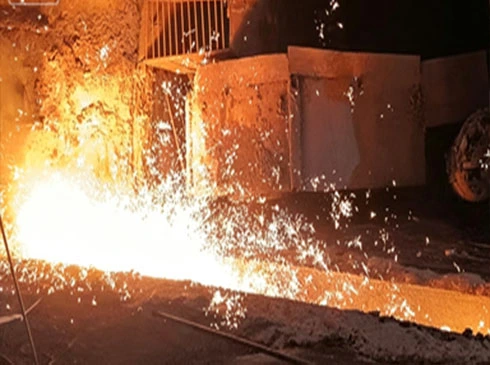
Understanding Blast Furnace Renovation: Basics and Benefits
Renovation of a blast furnace is very different from regular repair plans and plans to replace the whole building. This overall blast furnace renovation service focuses on fixing up important parts that have a direct effect on production ability and safety. Instead of taking apart whole buildings, remodeling focuses on the areas that are under the most stress from operations.
Why Renovation Matters More Ever?
The industrial environment has changed a lot. Tougher rules on emissions, rising energy costs, and competition in the market force steel makers to get the most out of their current assets. Renovation is a practical way to bring something up to date without having to spend a lot of money on new building. We've seen buildings get 15-20 year longer campaign lives through well-run renovation projects, compared to the rising prices and multi-year wait times that come with new installations.
Modern monitoring tools have changed how we check the state of furnaces. Thermal imaging finds hot spots that show refractory thinning, and ultrasonic testing finds weaknesses in the structure that can't be seen with regular checks. With these tools, buying teams can make decisions based on data and plan actions before major problems cause unplanned shutdowns.
Quantifiable Advantages for Plant Operations
When blast furnaces are fixed up, they work better in a number of ways that can be measured. As refractory insulation gets better and cooling systems get better, heat loss usually goes down, which means less energy use. When erosion-damaged fire areas get new carbon blocks that conduct heat better, production rates go up. Better gas cleaning systems and protected hearth designs make it possible to meet environmental standards by almost completely eliminating stray emissions.
Cost is usually a big reason why renovations are better. The exact numbers rely on the size of the furnace and the amount of the damage, but in general, renovation projects need 40–60% less money than replacement projects while getting the same performance results. The time of downtime goes from years to months, which protects the company's market place and customer ties during the upgrade.
Detailed Step-by-Step Blast Furnace Renovation Process
To successfully renovate a blast furnace, you need to carefully plan and carry out the work in stages. Coordinating expert contractors, buying materials, and following strict safety rules over the course of multiple months is what makes the job so difficult.
Phase One: Comprehensive Diagnostic Assessment
Every repair starts with a thorough inspection of the current state. Advanced inspection technologies are used by engineering teams to make a picture of the current state of all important systems. Thermal cameras take pictures of the temperature profiles inside the furnace shell. This helps find places where the cooling staves aren't working as well. Ultrasonic thickness gauges find the amount of refractory material that is still there. This is especially useful in high-wear areas like the hearth and bosh, where hot iron contacts the material quickly and wears it away.
During this part of diagnosis, thorough reports are made that describe the damage, how bad it is, and how it should be fixed. Procurement managers get clear paperwork to back up their budget requests, and plant engineers get detailed details for changes to equipment. The evaluation usually takes two to three weeks of specialized inspection work, but the information gathered is very helpful for accurately defining the scope of the project.
Phase Two: Strategic Planning and Engineering Design
With diagnostic data in hand, overall blast furnace renovation service plans can change the scope of work to fit the furnace's unique features and operating limits. A 1000-cubic-meter furnace has different problems to solve than a 5000-cubic-meter furnace, so the materials used and the order in which they are built must be different for each. Budgets must balance short-term needs with long-term performance goals, and tight deadlines require sensible planning that takes into account lead times for materials and the supply of workers.
Design engineering works on both repair and modernization goals during this time. Using the same materials to replace worn-out refractory brings back basic performance, but adding advanced microporous carbon blocks that improve heat conductivity goes beyond what was originally planned. Similarly, switching from cast iron to high-purity copper cooling staves greatly increases the efficiency of heat extraction, lowering shell temperatures and increasing the life of the structure.
Phase Three: Precision Execution and Quality Control
Through disciplined building management, the execution part turns the plans into real things. Demolition teams carefully take out broken parts while leaving intact structure parts that can still be used. Installation teams use lasers to precisely place new refractories, making sure that physical errors stay within ±5mm so that gas flows evenly during operation.
Every step of the operation is governed by quality control standards. Before they can be installed, refractory materials are tested in a lab to make sure they meet ISO 5019 standards for bulk density, cold breaking strength, and thermal shock resistance. Before refractory is put in place, cooling system setups are tested with hydraulic pressure at 1.5 times the working pressure to make sure there is no leaking. Ultrasonic and radiographic methods are used to test all welded parts without damaging them in any way. This makes sure that they meet the requirements of ASME Section VIII for pressure vessel stability.
Enforcing safety rules is still the most important part of building. Workers who have to go through the dangerous conditions inside a furnace are protected by things like hot work permits, limited space rules, and fall protection systems. From blow-out to blow-in, a project usually takes between 60 and 110 days, but this depends on the size of the furnace and the extent of the repair. Modular building methods speed up activities that are on the critical path.
Phase Four: Commissioning and Performance Validation
When the renovation is done, a series of thorough licensing steps are carried out to make sure that the system works as intended. Functional testing checks the flow rates of cooling water, the accuracy of thermocouples, and the connection of instruments. Heat-up routines slowly raise the temperatures inside refractories, letting them fix properly while being watched for problems that could mean the installation was done wrong.
Performance validation goes beyond the original launch; it also keeps track of practical data during the first few months of the campaign. Productivity indices, fuel consumption ratios, and hot metal quality factors are constantly checked against remodeling goals to see if they are meeting expectations. Modern systems use multi-layered thermocouple arrays and ultrasonic erosion sensors. This data is fed into "Hearth Heat Flux" modeling software, which creates digital twins of the refractory thickness in real time.
Comparing Renovation with Replacement: Making the Informed Choice
Professionals in procurement are always checking to see if renovation is really the best option or if a full substitute would be better for long-term strategy goals. This choice depends on many technical and financial aspects that are different for each facility and activity.
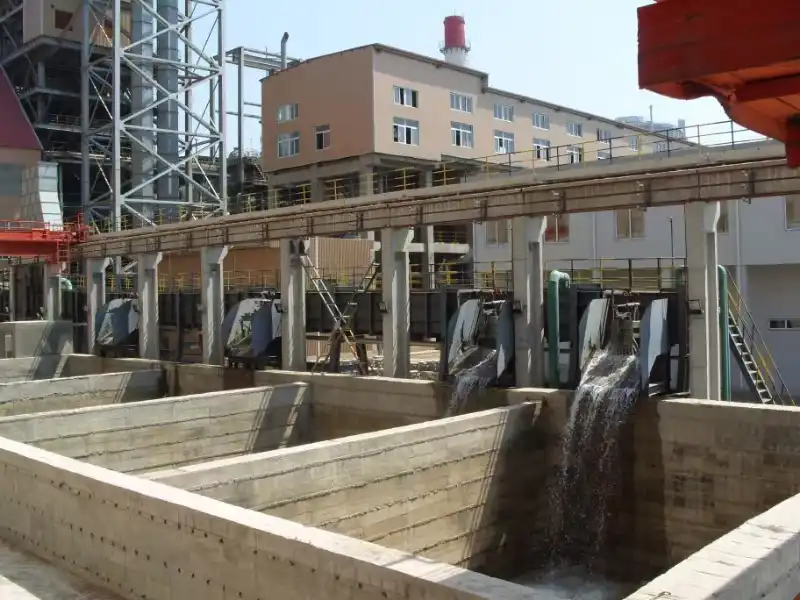
Cost-Effectiveness Analysis
The economics of renovation usually support repair when the main parts of the building are still sound. Whether targeted component replacement is enough or a full rebuilding is needed depends on the integrity of the shell, the safety of the base, and the conditions of the auxiliary systems. If a facility has severely damaged structures like corroded shells, weak supports, or old designs that don't work with today's increased smelting practices, the higher costs of replacement may be worth it in the long run.
Timelines for building aren't the only thing that needs to be thought about when a project lasts. Sixty to 110 days of downtime for renovations stop output but keep supply contracts in place. Replacement projects that last 18 to 36 months force customers to find new providers, which could end relationships that have been built over decades. This market risk has financial effects that go beyond the direct costs of building.
Environmental and Regulatory Considerations
As regulations get stricter and companies make bigger promises to be more environmentally friendly, carbon footprint numbers for overall blast furnace renovation service become more important in choosing big projects. When compared to removal and new building, renovation makes a lot less construction trash and embodied carbon. The environmental effect is 50–70% less than in replacement situations because structural steel is kept, extra equipment is reused, and less material is transported.
Regulatory compliance changes often lead to repair projects, even if the buildings are in good shape. Emission limits, worker safety standards, and energy saving requirements are always changing, making buildings that used to be in compliance no longer are. Renovation offers focused ways to meet regulatory requirements without changing working parts, which makes the best use of capital for systems that need to be compliant.
Partner Selection Criteria
Choosing the right contractor is a key part of any job, whether it's a makeover or a replacement. Experienced providers show relevant showcase work, industry certifications, and client references that back up their expert skills. Looking at how well past projects were completed—how well they stuck to schedules, how well they managed budgets, and how safe they were—shows organizational focus that leads to good results.
When working in a blast furnace, technical skill is very important. Providers need to know a lot about the complicated physics, structure mechanics, and metallurgical processes that control how furnaces work. Instead of general industrial workers who don't know much about ironmaking, look for engineering teams with a lot of experience making iron. This knowledge shows up in the plan details, material requirements, and order of building that make the difference between good renovations and great ones.
Navigating Procurement: Pricing, Contracts, and Customized Solutions
For remodeling projects to go smoothly, the price structure must be clear, the contract terms must be well-defined, and the supplier must be able to adapt to the needs of the building. Because blast furnace work is so complicated, there are a lot of factors that can change the prices and schedules of a job.
Understanding Pricing Models
The price of a renovation includes a lot of different costs, such as expert labor, refractory materials, cooling system parts, upgrades to instruments, and the cost of managing the job. The prices of materials change a lot depending on the quality. For example, premium microporous carbon blocks cost more than normal grades but have better thermal performance and last longer. The choice of cooling stave between cast iron, copper, and modern hybrid designs also has an effect on material costs and the efficiency of operations over the long term.
The cost of labor relies on the skills needed and the length of the job. When compared to general building skills, specialized refractory installation teams, certified welders, and commissioning engineers are in higher demand. Location affects the supply and cost of labor. For example, sites in remote areas have to pay higher wages and mobilization costs to get skilled workers.
Contract Structure and Risk Allocation
Well-structured contracts spell out the limits of the work that will be done, the amounts that will be paid, when they will be paid, and how to settle disagreements. When defining the scope, it's important to find a balance between being detailed and being flexible so that it can adapt to unplanned conditions found during demolition and stop scope creep from getting out of hand. There should be clear testing procedures and acceptance standards for performance promises that set measurable criteria, such as output goals, energy consumption limits, and emission levels.
Payment plans usually have schedules based on reaching certain goals, which are linked to the end of certain project stages. Initial mobilization payments cover setup costs for the contractor. Subsequent payments are made after demolition, refractory installation, cooling system startup, and final performance evaluation are complete. Retention clauses encourage good work and finishing punch lists on time.
Customized Renovation Packages
Customized remodeling methods for overall blast furnace renovation service are needed because each building has its own needs. A plant that wants to increase its capacity needs different help than one that just wants to meet emission standards or extend the life of a program. Modular service packages let procurement teams pick the important parts of a project, like redoing the foundation, upgrading the cooling system, updating the automation, and controlling the environment. This lets them make custom solutions that fit their strategy goals and budgets.
Volume factors make it possible to get better terms when several furnaces need to be fixed up or when setting up framework deals for future campaigns. Having established relationships with reliable contractors makes it easier to get bids for future projects and uses the information gained from previous projects to make completion go more smoothly.
Leading Blast Furnace Renovation Providers and Industry Best Practices
To find good remodeling partners, you need to look at their professional skills, reputation in the industry, and dedication to always getting better. There are a lot of freelancers available in the global market, but it takes careful analysis to tell the difference between real experience and marketing claims.
Certification and Quality Standards
Reputable repair companies keep up-to-date licenses that show they know how to run a quality system and are technically competent. Having ISO 9001 quality management approval means that there are set methods for controlling designs, managing documents, and making sure that processes are always the same. Pressure equipment certifications, such as an ASME U-stamp permission or a CE marking compliance, show that an engineer is qualified to develop and make parts that keep pressure in.
Safety licenses show that a company cares about protecting workers and managing risks. OSHA VPP recognition, ISO 45001 workplace health and safety certification, and high rates of experience modification all point to safety-conscious attitudes that lower the risk of accidents during dangerous building work.
Technology Adoption and Innovation
Leading companies set themselves apart by using technology that improves the results of renovations. Compared to traditional formulas, advanced refractory materials that contain nano-additives are better at resisting heat shock and erosion. Smart sensor systems that are built in during installation keep an eye on the state of the equipment throughout the next campaign. This allows for planned maintenance and improves working strategies.
As environmental demands rise, leaders in a business are more and more likely to use sustainable practices. Implementing programs to reduce trash, using recycled materials when appropriate, and improving operations to lower carbon footprints are all examples of forward-thinking methods that are in line with clients' sustainability goals.
Validated Performance Records
Client reviews and well-documented case studies are real proof of the quality of the service and the value that was provided. Look beyond marketing materials and at performance data that has been checked by a third party, such as campaign lifespans, productivity gains, and energy efficiency gains, to back up what the provider says. Talking to reference clients directly can give you information about how quick, problem-solving, and good the post-project help is.
Over decades, a company's image grows by consistently delivering excellent projects. Providers who have been in the business for several generations learn things about how furnaces work, how to build things, and how materials perform that younger companies can't copy. This level of knowledge is very helpful when problems come up out of the blue during complicated renovation jobs.
Conclusion
Renovating a blast furnace is a smart investment that will increase its value, make it last longer, and make sure it meets all the rules, all while costing a lot less than buying a new one. To be successful, you need to use a methodical approach that includes thorough diagnosis, careful planning, precise execution, and strict quality control. When making a procurement choice, the state of the structure, the cost-effectiveness, the time frame, and environmental concerns should all be taken into account. The best results will come from choosing qualified partners with proven knowledge, appropriate certifications, and a track record of success. Due to its all-encompassing nature, overall blast furnace renovation service is the best choice for most old furnaces. It can extend campaign periods by 15 to 20 years through focused interventions that update critical systems while keeping working parts.
FAQ
How often should blast furnaces undergo renovation?
How often something needs to be renovated relies on how busy it is, the quality of the materials used, and how well it is maintained. When hearth refractories hit critical thinning levels, which usually happens every 12 to 15 years, big renovations are done. Monitoring tools that keep an eye on refractory thickness, cooling system performance, and shell state allow data-driven scheduling that strikes a balance between breakout risk and campaign life extension.
What early signs show that renovations are needed?
Several warning signs show that renovations are about to be needed. These include rising shell temperatures that mean the cooling system is breaking down, rising coke consumption rates that mean the hearth shape is changing, and falling production even though operations have been stable. Regular thermal imaging scans and ultrasonic thickness readings give us the numbers we need to make quick choices about what to do before performance gets really bad.
Can renovation improve energy efficiency measurably?
If repairs are done right, they can save you a lot of energy in a number of ways. Modern refractory materials that are better at insulating keep heat from escaping through the walls of the furnace. Better cooling systems take heat out of the shell more effectively, dropping temperatures while recovering thermal energy. When full repairs are done that handle thermal management and interior geometry optimization, fuel ratios often drop by 10 to 15 percent.
Partner with SMEC for Expert Blast Furnace Renovation Solutions
SMEC has decades of experience providing overall blast furnace renovation service options that are specifically catered to the needs of the metallurgical sector. As a high-tech company connected to the Taiyuan Silian Heavy Industry Group, our 68,700-square-meter building combines advanced technical skills with a wide range of production tools. Our team of 168 engineers, including 30 top engineers, works together through research institutes that are solely focused on developing new methods for making iron. We know how hard it is for steel makers to run their businesses, so we've come up with organized ways to fix problems like hearth erosion, cooling system degradation, and meeting emission standards.
Our turnkey services include diagnostic evaluation, engineering design, component production, installation management, and commissioning support. This makes sure that the project runs smoothly from the initial evaluation to the successful restart. When you choose a qualified overall blast furnace renovation service provider, you'll be working with experts who know both the technical details and the business needs that are driving your investment choices. Get in touch with our team at project@smec.cc to talk about your unique remodeling needs and find out how our custom solutions can help you get more use out of your furnace while also meeting environmental standards.
References
Peacey, J.G., & Davenport, W.G. (2019). The Iron Blast Furnace: Theory and Practice. Pergamon Press, Materials Engineering Series.
Geerdes, M., Toxopeus, H., & van der Vliet, C. (2020). Modern Blast Furnace Ironmaking: An Introduction. IOS Press, Delft University of Technology.
International Iron and Steel Institute. (2021). Best Available Techniques for Blast Furnace Relining and Renovation. IISI Technical Report Series.
American Society of Mechanical Engineers. (2022). ASME Boiler and Pressure Vessel Code, Section VIII: Pressure Vessels. ASME Standards Publications.
European Commission Joint Research Centre. (2020). Best Available Techniques Reference Document for Iron and Steel Production: Blast Furnace Maintenance and Renovation Practices. EU BAT Reference Documents.
Tupkary, R.H., & Tupkary, V.R. (2018). An Introduction to Modern Steel Making. Khanna Publishers, Blast Furnace Technology Chapter.
Free consultation & volume discounts available
SEMC focuses on the entire metallurgical process—from coking, ironmaking, and steelmaking to continuous casting and rolling. Whether you face challenges related to equipment upgrades, energy efficiency optimization, or overall process transformation, please fill in the following information. Our technical team will provide you with tailor-made high-end equipment upgrade solutions and professional EPC design services to help your project be implemented efficiently.