Maintenance Tips for Blast Furnace Cooling Walls
Understanding the Role and Common Issues of Cast Iron Cooling Walls
- Understanding the Role and Common Issues of Cast Iron Cooling Walls
- Systematic Maintenance Approach for Blast Furnace Cooling Walls
- Practical Maintenance Tips and Repair Techniques
- Procurement Insights: Choosing Reliable Cooling Wall Solutions and Suppliers
- Optimizing Cooling Wall Performance Through Maintenance and Technology
- Conclusion
- FAQ
- Partner With SMEC for Superior Cooling Wall Solutions
- References
It takes careful planning and technical skill to keep blast furnace cast iron cooling walls in good shape. These important heat-exchange parts are the only thing that can stop a heater from failing completely and keeping it running at its best. In modern steel factories, cooling walls take in and release very high temperatures that can go over 1000°C. This keeps the outer steel shell safe and lets stable protective slag layers form. With proper upkeep, your campaign will last an extra 10 to 15 years, have less unplanned downtime, and keep production going. All of these things have a direct effect on your bottom line and operational image.
Understanding the Role and Common Issues of Cast Iron Cooling Walls
The Critical Function of Cooling Walls in Blast Furnace Operations
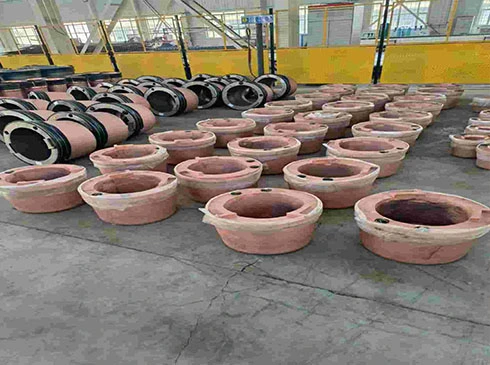
The blast furnace cast iron cooling walls keep the refractory core and steel shell of your furnace from getting too hot. In smelting, these parts handle a lot of heat while also being able to resist the mechanical pressure of falling raw materials and rising toxic gases. A "slag skin" is formed by the blast furnace cast iron cooling wall. This is a protective layer that keeps the structure below from being directly heated. Without this protection system, your furnace shell would deform quickly, use up too much refractory, and start to fall apart before it should have.
Nodular cast iron grades like QT400-18 or QT450-10 are often used in modern blast furnace cast iron cooling wall designs. These grades have tensile strengths of over 400 MPa and bending rates of about 10%. These metal qualities give the material the flexibility it needs to withstand thermal shock and keep its shape when heated and cooled over and over again.
Common Degradation Patterns and Failure Modes
I've worked in steel mills and metallurgical plants for a long time, and I've seen regular patterns of wear and tear that procurement managers and maintenance engineers need to be aware of. The main danger is thermal stress, which shows up as tiny cracks that get bigger over time when heated and cooled over and over again. These cracks make the blast furnace cast iron cooling wall drainage system less effective, which lowers the rate at which heat is removed and speeds up material wear.
Another weakness is the corrosive action of alkaline slag products and fumes containing sulfur. The blast furnace cast iron cooling wall surface gets thinner over time due to chemical erosion, mostly in the bosh and belly areas where temperature differences are the biggest. This weakening makes the structure less strong and less able to transfer heat, which can create hot spots that can cause catastrophic breaking.
Corrosion along the water is a sneaky danger that is often not noticed until it does a lot of damage. Changes in temperature and impurities in the cooling water eat away at the cast-iron lines from the inside. This internal wear and tear breaks the metallurgical bond between the pipe and the iron body. This makes heat transfer less effective and could lead to cold water leaking into the furnace.
Early Warning Signs That Demand Immediate Attention
Visual inspection methods show cracks on the surface, uneven slag growth, and color patterns that show where the heat stress is concentrating. Thermal imaging technology finds changes in temperature that could mean that the cooling system is blocked or an internal pipe has broken. If the blast furnace cast iron cooling wall surface temperatures are more than 50°C different from the neighboring areas, there is probably damage inside.
Keeping an eye on the differences in the temperature of the cooling water between the inlet and exit gives us numbers that show how well the heat exchange works. If the differentials are going down, it means that the heat conductivity is going down because of rust, scaling, or structural damage. If you suddenly use a lot more water, it could mean that there are leaks through cracks or broken pipe-to-iron ties.
Systematic Maintenance Approach for Blast Furnace Cooling Walls
Developing Comprehensive Inspection Protocols
A strong inspection system for blast furnace cast iron cooling wall uses both regular eye checks and more advanced diagnosing methods. During planned shutdowns, repair teams should carefully look over the top of the furnace stack using borescopes to get to hard-to-reach places inside. High-resolution photos and thermal mapping should be used to record all results so that baseline conditions can be set and decline can be tracked over time.
Ultrasonic thickness testing measures the leftover wall thickness without damaging it. This lets engineers guess how long something will last and plan replacements before it breaks. The focus of these tests should be on high-stress areas like the belly, bosh, and lower stack, which are subject to the most intense heat and mechanical loads.
Thermographic scans done while the system is running show hot spots and cooling problems that can't be seen with normal checking methods. Infrared cameras that can find surface temperatures of up to 1200°C can find places where the flow of cooling water has been slowed down or where the refractory backing has broken down.
Distinguishing Preventive From Corrective Maintenance
The planning of furnace campaigns should match up with the scheduling of preventive maintenance, which should include checking the blast furnace cast iron cooling walls during every planned blowdown. This proactive method finds small problems before they get so bad that they stop production. Scale and silt that stop heat from moving are removed from water-side openings by regular cleaning. Chemical treatment programs stop corrosion and bacterial growth.
When checks show cracks, major thinning, or decreased cooling efficiency, corrective actions are needed. Whether to fix or replace rests on how bad the damage is, how thick the wall is still, and how much it will cost. When blast furnace cast iron cooling walls are more than 60% of their original thickness and only have a few damaged areas, they usually only need targeted fixes. On the other hand, when walls are falling apart all over or are thinner than critical levels, they need to be replaced completely.
Root Cause Analysis for Targeted Solutions
Knowing why blast furnace cast iron cooling walls fail helps you come up with better ways to maintain them. Cyclic thermal stress leads to metal wear, especially when working conditions cause temperature changes to happen quickly. Using controlled heating and cooling during starting and shutdown lowers the risk of thermal shock and makes parts last longer.
Corrosive conditions are caused by the chemistry of the furnace's load, its working temperature profile, and the quality of the cooling water. Changing the makeup of the burden to stop alkaline slag attack, making the temperature distribution better through better burden management, and starting water treatment programs all get rid of these root causes instead of just fixing the symptoms.
Practical Maintenance Tips and Repair Techniques
Best Practices for Cleaning and Operational Care
Cleaning methods that work get rid of built-up slag and deposits without damaging the blast furnace cast iron cooling wall surfaces further. When scheduled repair is due, use controlled water spray or steam cleaning instead of rough mechanical methods that could leave scratches on the surface. The goal is to get rid of the heat protection that buildup creates while keeping the oxide layer that forms naturally on blast furnace cast iron cooling wall surfaces.
Managing the temperature during activities has a big effect on how long a blast furnace cast iron cooling wall lasts. Slowly raising the temperature during startup and carefully lowering it during shutdown will keep the temperature from changing too quickly. Keep the flow rates of cooling water within the limits set by the designers. Flow speeds that are too high can cause corrosion, and flow rates that are too low can cause burning. To keep heat stress on the pipe-to-iron surfaces as low as possible, the water temperature that goes into the cooling system should stay stable between 30°C and 40°C.
Advanced Repair Methodologies
Cracks in blast furnace cast iron cooling wall can be fixed with special welding methods and nickel-based replacement materials. To keep from adding more thermal stress, this method needs precise preheating routines and controlled cooling rates. Because of the way nodular cast iron is made, it needs to be heated up to 200–300°C before riveting and then treated with heat afterward to keep it from turning into brittle martensite structures.
When put on both hot-face and water-side areas, corrosion protection layers make the equipment last longer. Coatings made of ceramic on the hot face add to the thermal shields and protect against chemical attacks from gases and slag. Electrochemical rust breaks down steel lines and iron bodies. On the water side, epoxy-based coatings or cathodic protection systems stop this.
Real-World Application Demonstrating Extended Service Life
A big integrated steel mill just finished full maintenance on the blast furnace cast iron cooling walls of their 3200 cubic meter blast furnace. Engineers found twelve parts of the blast furnace cast iron cooling wall that were showing early signs of wear and tear through regular thermal imaging checks. The building didn't wait for things to break before scheduling targeted fixes during a planned maintenance time.
The maintenance team fixed surface cracks with specialized welding, put protection coats on areas with a lot of wear, and made sure the cooling water had the right balance of chemicals. After the fix, tracking showed that the thermal efficiency had improved, with surface temperatures dropping by 60 to 80°C in places that were causing problems before. This proactive action stretched the planned campaign's life by about 18 to 24 months, avoiding the lost production and high repair costs that come with unexpected failures.
Procurement Insights: Choosing Reliable Cooling Wall Solutions and Suppliers
Material Selection Considerations for Your Specific Application
When buying teams are looking at different cooling wall options, knowing how the materials work helps them make smart choices. Blast furnace cast iron cooling walls are the best choice for most blast furnace uses because they are strong, don't cost too much, and conduct heat well (35–42 W/(m·K)). While being stressed by both heat and mechanical forces, the material doesn't creep at high temperatures and keeps its shape in furnace settings.
Copper cooling walls are better at transferring heat than other materials, with a value close to 400 W/(m·K). This lets ultra-high-intensity mining processes remove heat more quickly. This performance benefit comes at a much higher cost in materials and a higher risk of erosion from materials that are rough. Copper solutions are more cost-effective in boiler areas that are under a lot of heat stress that is too much for blast furnace cast iron cooling walls to handle.
Ceramic composite cooling elements are very good at resisting rust and temperature shock, but they aren't strong enough to be used in load-bearing situations. These specialized solutions are used in certain areas of furnaces where chemical attack is the main cause of failure.
Evaluating Supplier Capabilities and Reliability
When choosing a blast furnace cast iron cooling wall provider, it's not enough to just compare technical specs; the credibility of the vendor has a direct effect on your long-term operating success. Check how well a company can make things by doing site audits that check the technical know-how, production tools, and quality control systems. Suppliers should be able to show that they know how to use nodular cast iron forging methods and have the right tools for casting in integrated cooling pipes that are properly bonded with metal.
Warranty terms show how confident the supplier is in the quality of the product. Full guarantees that cover both material and workmanship flaws for 12 to 18 months after installation are a good way to protect yourself. More importantly, look at the supplier's infrastructure for after-sales help, such as expert support services, spare parts availability, and the ability to respond to emergencies.
Lead times limit how flexible you can be when planning repair. Reliable sources keep enough raw materials on hand and enough production capacity to deliver basic configurations within 8 to 12 weeks. For immediate needs, there are also choices for faster delivery. Custom manufacturing projects naturally take longer than usual—usually 14 to 18 weeks, but this depends on how complicated the plan is.
Custom Fabrication Advantages for Unique Requirements
Standard designs for blast furnace cast iron cooling wall work for new furnaces and repairs that are exactly the same, but many businesses find that unique solutions work better. For older furnaces, it's common for blast furnace cast iron cooling walls to need to be custom made to fit the shell bolt designs and size restrictions. Custom manufacturing service providers can add current cooling technology to older furnace designs without having to change the whole shell.
Customization also makes it possible to optimize for certain operating situations. Customized solutions that include better materials, different cooling pipe layouts, or stronger structure designs can help facilities that work with high pressure, unusually heavy materials, or extreme temperatures.
Optimizing Cooling Wall Performance Through Maintenance and Technology
Real-Time Monitoring and Automated Control Systems
Sensor networks and automatic control systems are being used more and more in modern blast furnaces to improve the performance and life of the blast furnace cast iron cooling walls. Temperature sensors placed in key spots keep an eye on the hot-face conditions all the time, and cooling water flow meters and temperature sensors track how well heat is exchanged in real time.
Advanced control methods change the flow of cooling water on the fly in response to changing thermal loads. This keeps the ideal temperature profiles while reducing thermal stress. When there are changes in load or operating problems, these systems automatically increase the cooling strength in the affected areas. This keeps temperatures from going up and down, which would speed up degradation.
With the ability to log data and see trends, engineers can see how speed is slowly getting worse before it gets too bad. When cooling performance goes down, temperature changes, or flow problems happen, they set off maintenance alerts that tell people what to do right away.
Predictive Maintenance Through Data Analytics
When you combine sensor data with analysis models, you can use predictive maintenance methods to find problems before they happen. Machine learning algorithms that are taught on past performance data can spot small changes in patterns that show the blast furnace cast iron cooling wall is starting to break down. These systems connect many factors, like surface temperatures, cooling water parameters, load characteristics, and working experience, to more accurately guess how long something will still be useful.
With predictive maintenance, you can switch from fixing things when they break down to planning fixes to happen when it's most convenient for your production schedule. This method cuts down on unexpected downtime, lowers the cost of upkeep, and increases the overall life of the furnace campaign.
Emerging Technologies and Future-Ready Solutions
Improvements in material science keep making blast furnace cast iron cooling walls work better. New nodular cast iron alloys that contain rare earth elements and other alloying elements improve heat conductivity while keeping their excellent mechanical qualities. These next-generation materials offer longer service life in situations of high intensity.
Additive manufacturing technologies open up exciting new ways to make blast furnace cast iron cooling walls with perfect internal shapes that aren't possible with traditional casting. Future furnace designs could use complex internal cooling pathways and graded material makeup to change how heat is managed.
As rules about the environment get stricter and costs go up, sustainable upkeep methods are becoming more important. With improved cleaning, closed-loop cooling water systems use less water and release less pollution into the environment. Traditional chromate-based rust inhibitors are being replaced by coating technologies that use materials that are better for the environment.
Conclusion
Taking care of the blast furnace cast iron cooling walls of a blast furnace requires technical know-how, careful planning, and being responsible. Your facility can get longer campaign life, better operating stability, and lower lifetime costs by following thorough inspection routines, doing targeted maintenance, and forming smart partnerships with suppliers. The future of blast furnace cast iron cooling wall management lies in combining advanced monitoring technology with predictive analytics. This will allow data-driven choices that maximize efficiency while minimizing risk. As material science improves and environmentally friendly practices become more popular, keeping up with new solutions gives your business a chance to stay ahead of the competition in a world that is always changing.
FAQ
How often should we inspect blast furnace cooling walls?
During busy campaigns, do monthly external thermal imaging scans to look for temperature changes that could mean problems are starting to form. Complete checks should be done during every planned blowdown, which is usually every 6 to 12 months, but this depends on the type of furnace and how hard it is used. Visual inspection, ultrasonic thickness testing, and water-side inspection of blast furnace cast iron cooling walls that can be reached should all be part of these thorough checks. More frequent inspections may be needed for high-intensity activities or burners that are getting close to the end of their campaign. When temperature readings, changes in how much cooling water is used, or operating problems point to a possible cooling wall compromise, emergency checks are needed right away.
What repair techniques work best for cast iron cooling walls?
When cracks are found early and damage is still minimal, localized crack repair using specialized nickel-based welding works well. To keep stress levels from going up, this method needs to be carefully preheated and cooled. When sprayed during regular upkeep, surface coatings protect against corrosion and chemical attack, which makes the product last longer. Patching badly damaged areas with refractory materials can help for a short time, but it usually means that the material is getting close to the end of its useful life. When wall thickness falls below 60% of its original size or when widespread cracking threatens the structure's strength, replacement is needed.
How do we select between cast iron and alternative cooling wall materials?
For most blast furnace uses, blast furnace cast iron cooling walls work best because they balance heat conductivity, mechanical strength, longevity, and cost-effectiveness. Copper options should only be used when the extreme thermal loading is too much for cast iron or when getting the most heat out supports the high cost. Think about using ceramic composites in places where chemical weathering is very bad and where their lower structural strength is okay because of the heat and force that is put on them. When you choose materials, they should fit with your business needs, your budget, and your long-term maintenance mindset.
Partner With SMEC for Superior Cooling Wall Solutions
We stand out in the heavy industry sector because we are experts at making blast furnace cast iron cooling walls and providing maintenance support. SMEC combines advanced metalworking knowledge with precise manufacturing skills to create cooling walls that are designed to last as long as possible in harsh mining settings. We use high-quality nodular cast iron types that meet GB/T 1348 standards. Our cast-in cooling pipe systems use tried-and-true metallurgical bonding technology to make sure they work well during long campaigns.
As a reliable provider of blast furnace cast iron cooling walls, we offer full technical support, custom design services, and ongoing upkeep advice that are all made to fit the needs of your facility. Our engineering team, which includes 30 senior engineers with decades of experience in the field of metallurgy, offers professional help from the initial specification stage through installation and beyond. Contact our team at project@smec.cc to talk about how our tried-and-true methods can make your heater more reliable, extend its life, and lower your total cost of ownership.
References
Gupta, R.C. & Singh, V. (2019). Blast Furnace Cooling Systems: Design, Operation and Maintenance. Indian Institute of Metals Technical Publication Series.
Nightingale, R.J. & Haywood, R. (2017). "Service Life Extension of Cast Iron Cooling Staves Through Predictive Maintenance." Iron & Steel Technology, Vol. 14, No. 8, pp. 142-156.
Zhou, M., Wang, L., & Chen, H. (2020). "Thermal-Mechanical Behavior of Nodular Cast Iron Cooling Walls Under Cyclic Loading." Journal of Materials Processing Technology, Vol. 285, Article 116793.
International Iron and Steel Institute. (2018). Best Practice Guidelines for Blast Furnace Cooling System Maintenance. Brussels: IISI Technical Committee Report.
Kapusta, J.P. (2016). "Cooling System Design Considerations for Modern Large Blast Furnaces." AISTech Conference Proceedings, Pittsburgh, PA, pp. 1247-1262.
Tanaka, Y., Sato, K., & Nakamura, T. (2021). "Comparative Analysis of Cooling Wall Materials in High-Productivity Blast Furnace Operations." ISIJ International, Vol. 61, No. 4, pp. 1156-1167.
Free consultation & volume discounts available
SEMC focuses on the entire metallurgical process—from coking, ironmaking, and steelmaking to continuous casting and rolling. Whether you face challenges related to equipment upgrades, energy efficiency optimization, or overall process transformation, please fill in the following information. Our technical team will provide you with tailor-made high-end equipment upgrade solutions and professional EPC design services to help your project be implemented efficiently.
Recommended Blog


Best Materials for Blast Furnace Tuyere Equipment Explained


Innovative Tuyere Imaging Technologies: Remote Monitoring in Extreme Heat


How to Extend the Service Life of Blast Furnace Tuyere Equipment

Why Steel Plants Prefer Custom Blast Furnace Tuyere Equipment?

How to Improve the Efficiency of Slag Granulation Equipment
