Blast Furnace Water-Cooled Valve Maintenance Checklist
Understanding Blast Furnace Water-Cooled Valves
- Understanding Blast Furnace Water-Cooled Valves
- Common Issues and Key Maintenance Challenges
- Blast Furnace Water-Cooled Valve Maintenance Checklist
- Comparing Water-Cooled Valves with Other Cooling Methods
- Procurement and Installation Best Practices for Water-Cooled Valves
- Conclusion
- FAQ
- Partner with SMEC for Reliable Industrial Valve Solutions
- References
Blast furnace water-cooled valve maintenance needs periodic inspections, preventative care, and rapid response to danger indicators. Internal water circulation helps these flow control components handle tremendous heat—often over 1000°C in hot blast burners and gas cleaning systems. Thermal stress, scale building, and seal deterioration damage valves without regular maintenance, creating unscheduled shutdowns that impede output. A detailed checklist provides operational continuity, capital investment protection, and equipment service life in harsh metallurgical conditions.
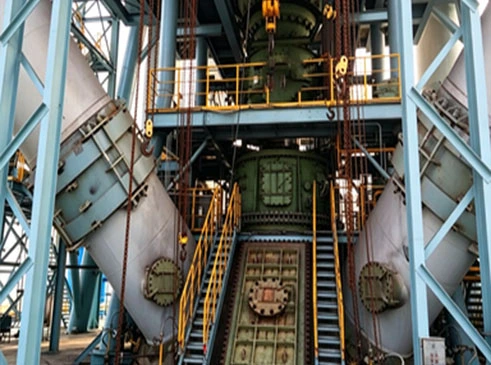
Understanding Blast Furnace Water-Cooled Valves
Core Functionality and Design Principles
Ironmaking plants use blast furnace water-cooled valves to regulate gas flow at temperatures above industrial valves. The valve body and sealing surfaces are cooled by jacketed water channels. Forced circulation effectively distributes heat, reducing thermal deformation that would cause catastrophic collapse within minutes of cooling loss. Heat-resistant alloy steels—especially chromium-molybdenum grades—form the structural underpinning, while cobalt-based surface compounds like Stellite 6 protect sealing faces from wear and oxidation.
Technical Parameters That Matter
Depending on application scale, nominal diameters range from 200 mm to 2200 mm and design pressure ratings from PN0.25 to PN1.6 MPa. Through improved channel shape and homogeneous heat extraction, the cooling system keeps surface temperatures below critical stress thresholds. This thermal control capability solves metallurgical operations' fundamental issue: valves failing too soon because to uneven temperature rise. Blast furnace gas, full of dust and corrosive chemicals, produces seat leaks and disc bending in uncooled places, speeding material deterioration.
Why Material Selection Drives Longevity?
The harsh blast furnace gas system environment requires thermal cycling and chemical resistance materials. Ductile materials treated with a specific heat allow regulated expansion as temperatures change, preventing microcracks that cause failure. Sealing surfaces are well maintained and typically have hard-facing applications that operate even in particle-filled gas streams. Engineering that emphasizes material science means industry operators will need to maintain less and spend less.
Common Issues and Key Maintenance Challenges
Thermal Stress and Mechanical Wear Patterns
Blast furnace water-cooled valve part temperatures change when the furnace shifts from manufacturing to window repairs. This constant heating and cooling wears down metal structures, especially weld joints and where two materials meet. A steady loss of dimensional stability causes valve seats to misalign with discs, allowing process gas around sealing surfaces. Early signals like unusual valve body temperature fluctuations can help identify issues before they produce forced outages.
Cooling Water Quality and Scale Formation
Water chemistry is underappreciated in blast furnace water-cooled valve stability. Without cooling water management, mineral scale builds up in circulation channels. Hotspots accelerate thermal damage. Calcium carbonate and silica accumulation slows flow, affecting heat transfer that protects critical equipment. Industrial managers often neglect basic maintenance until a cooling system blockage occurs. Demineralized water's pH controls prevent scale, and flushing regularly removes built-up layers before they slow things down.
Seal Integrity and Leakage Pathways
The disc-seat sealing contact is the weakest portion of a valve. High-temperature gas constantly tests this barrier, trying for microscopic holes in the top to escape. Gases travel through holes left by various materials growing at different speeds, compounding the issue. Cobalt-based metals are stronger at high temperatures, although even high-quality materials must be monitored. Gas stains around valve bodies and anomalous pressure measurements downstream indicate an internal bypass.
Blast Furnace Water-Cooled Valve Maintenance Checklist
Daily and Weekly Inspection Routines
Visual inspections are crucial to regular maintenance. Operators should check the blast furnace water-cooled valve exterior for corrosion, discoloration that doesn't make sense and might indicate overheating, and structural flaws around the weld lines. Daily rounds should include testing cold water flow; intake and exit temperatures indicate healthy flow. Higher temperature differences than expected may indicate blockages or insufficient flow rates, which should be investigated immediately. These routine inspections detect issues early, when they are easiest and cheapest to rectify.
Lubrication points should be checked weekly. Manufacturer-recommended high-temperature fluids should be used to oil stem threads and packing glands. Ignoring this seemingly minor task accelerates actuation system wear and tear, which can cause stiffness or failure. Tracking inspection findings and maintenance actions produces a data standard that indicates performance patterns over time that aren't obvious during individual examinations.
Monthly and Quarterly Testing Protocols
Comprehensive testing examines anything missed during normal inspections. Pressure testing a structure at 1.5 times its design pressure ensures its strength and identifies weak points before they become hazards. Testing the water channels hydrostatically at specified pressures with cooling jacket separation demonstrates that there are no interior leakage pathways between the cooling systems and process gas spaces. Testing for heat cycles or corrosion reveals new damage.
Numbers replace biased observations to confirm seal leaking. Specific technologies assess tiny gas flow rates at sealing surfaces to determine seal degradation over time. This strategy enables you arrange predictive maintenance based on part status rather than random times. Ultrasound examination of critical welds and dye penetrant inspection of sealing surfaces reveal hidden faults that might compromise dependability.
Annual Overhaul and Component Replacement
Full valve removal for inspection is possible with longer service windows. Disabling the blast furnace water-cooled valve cleans the cooling ducts of scale that normal flushing can't reach. Sealing surface measurements are compared to original requirements, and wear indicates whether they need repair or replacement. Hard-facing welding and cutting can prolong part life when base materials are excellent but surfaces are eroded.
Replacement packing sets, gaskets, and stem seals that degrade from heat is best done this time of year. Improving materials during overhauls takes use of metalworking and sealing technologies that makes the machine function better than when it was constructed. As each element is disassembled, we record its failure mode to better understand each installation's functioning circumstances.
Comparing Water-Cooled Valves with Other Cooling Methods
Performance Advantages in Extreme Conditions
During prolonged high temperatures, blast furnace water-cooled valves perform better than air-cooled ones. Moving water holds and transfers heat better than static water, therefore it can tolerate continuous task cycles that convection cooling cannot. Forced water flow is needed to remove heat from valves that regulate 1350°C air streams in hot blast stoves. Air-cooled valves are good for occasional usage or low temperatures when water systems aren't needed.
The reliability difference becomes stark during operational upsets. Temperatures rise slowly when forced air conditioning stops, giving users time to intervene before harm. When the water cooling system fails, temperatures increase swiftly, and crucial parts reach unsafe levels in minutes. This feature requires powerful tracking systems and backup cooling solutions, which cost more initially but are essential in companies with continuing operations and expensive unforeseen downtime.
Lifecycle Cost Considerations
Water-cooled technology is frequently chosen for critical purposes after evaluating the initial and recurring expenses. Higher initial expenditures for cooling facilities and valve construction are offset by longer service intervals and fewer failures. Maintenance technicians now perform scheduled preventative operations that fit with furnace downtime instead of emergency repairs. This stability simplifies tracking excess parts and scheduling.
Selecting between cooling approaches requires honest assessment of operational priorities. Water-cooled solutions are tougher to maintain, but plants that want as much uptime as possible between turnarounds pick them. Flexible production planning and milder temperatures may lead firms to choose air-cooled valves. These factories are willing to fix more often for simpler systems. No approach is better than another; the best depends on the application.
Procurement and Installation Best Practices for Water-Cooled Valves
Specification Development and Supplier Selection
Effective buying starts with defining needs. Operating variables are design pressure, temperature range, and nominal diameter. Know the local circumstances to pick the proper materials. Coal type and process parameters affect blast furnace gas composition at different sites. This affects corrosion and materials. Providers must understand how cooling water temperature, quality, and pressure impact blast furnace water-cooled valve cooling system design.
Supplier evaluation extends beyond product specifications to manufacturing capabilities and technical support infrastructure. ISO 9001 provides a basic level of confidence, but the testing techniques demonstrate its reliability. Premium vendors provide hydraulic shell testing to EN 12266-1 requirements, non-destructive key weld analysis, and cooling channel integrity testing. Longer collaborations with producers that provide technical assistance throughout installation and commissioning are better than short-term ones that focus primarily on unit pricing.
Installation Precision and Commissioning Protocols
Proper blast furnace water-cooled valve installation ensures long-term performance. Pipe strains accelerate valve body deterioration. This is why alignment tolerances matter. When connecting cooling water, pay attention to flow direction and prevent creating air pockets or dead zones in circulation paths. Installing temperature monitors and flow measuring devices in important locations permits tracking and supports scheduled maintenance.
Commissioning verifies that installed systems perform properly. Flow testing shows cooling water flowing at the proper rates across all internal channels. Thermal cycling under controlled conditions shows growth behaves reasonably. These proofing stages discover installation or design errors when they're easy to solve, preventing costly production fixes. Documenting "as-built" conditions including measurements, material certifications, and test results guides future maintenance decisions.
Conclusion
Blast furnaces require blast furnace water-cooled valves with precision flow control and exceptional temperature tolerance. With this maintenance plan, you can shift beyond repairing problems to controlling dependability before they happen. Daily inspections detect issues early, frequent testing verifies concealed information, and planned overhauls correct pieces before they break and cease production. Working with providers that know how to utilize metals and can give continuing expert assistance aids in-house maintenance. These solutions reduce unplanned downtime, extend valve life, and improve furnace efficiency in plants. Regular maintenance improves operational continuity and pays dividends over time.
FAQ
What maintenance schedule should operators follow for optimal performance?
Standard operations benefit from daily eye checks and cooling flow confirmation, weekly lubrication service, monthly seal leakage tests for the blast furnace water-cooled valve, pressure validation every three months, and annual overhauls. Working in tough conditions like high temperatures, dirty cooling water, or rough gas connections requires more frequent checks. Temperature difference tracking and leakage measurement data may be used to tailor schedules to each location instead of following broad guidelines.
How do you recognize when immediate repair or replacement becomes necessary?
Rapidly growing valve body temperature differences, visible process gas leaks on the exterior, weird noises or vibrations during operation, and problems moving the valve fully stroke are all warning indicators that something needs to be done immediately. To avoid heat damage, turn off the boiler immediately if cold water stops flowing. External rust that penetrates the base metal, structural flaws that may be seen during examination, and excessive seal leakage indicate that the item needs to be replaced. Performance trends reveal steady declines that allow replacement before significant failures.
Can these valves be customized for different blast furnace configurations?
Modern production methods enable extensive application customisation. Different pipe diameters and gas chemistry and temperature profiles can be accommodated by changing nominal width and material. Depending on water amount, temperature, and pressure, cooling systems vary. Electric, pneumatic, and manual actuators can meet site infrastructure and automation demands. Trustworthy suppliers include engineering teams in specification creation. This ensures innovative solutions operate with current furnace systems and fulfill metallurgical performance requirements.
Partner with SMEC for Reliable Industrial Valve Solutions
SMEC's blast furnace water-cooled valve systems fulfill modern metalworking operations' demanding requirements. We use cutting-edge materials science and careful construction to develop valves that can endure extreme temperatures and maintain tight shut-off. Our blast furnace water-cooled valve business is rooted in Taiyuan's industrial corridor. We understand the operating challenges coking plants, integrated steel mills, and coal chemical facilities confront worldwide. Our engineers collaborate with customers to set standards that ensure each location has a customized solution. After-sales assistance, including installation, commissioning, and maintenance training, safeguards your investment throughout the equipment's lifecycle. Our water-cooled valve technology can improve your facility's furnaces' performance and reliability. Email project@smec.cc.
References
Zhang, L., & Wang, H. (2021). Advanced Materials for High-Temperature Industrial Valves in Metallurgical Applications. Journal of Materials Engineering and Performance, 30(4), 2847-2859.
International Organization for Standardization. (2018). Industrial Valves — Testing of Metallic Valves — Part 1: Pressure Tests, Test Procedures and Acceptance Criteria — Mandatory Requirements (EN 12266-1:2012). Geneva: ISO.
Smithson, R. J. (2019). Blast Furnace Ironmaking: Analysis, Control, and Optimization. Oxford: Elsevier Science.
Chen, Y., Liu, X., & Anderson, M. (2020). Thermal fatigue behavior of Cr-Mo alloy steels in cyclic high-temperature environments. Metallurgical Transactions A, 51(8), 4123-4136.
Kumar, S., & Patel, D. (2022). Maintenance Engineering Handbook for Heavy Industries: Predictive and Preventive Strategies (8th ed.). New York: McGraw-Hill Professional.
Valve Manufacturers Association of America. (2020). Water Cooling Systems for Industrial Valves: Design Guidelines and Best Practices. Washington, DC: VMA Technical Publication 115.
Free consultation & volume discounts available
SEMC focuses on the entire metallurgical process—from coking, ironmaking, and steelmaking to continuous casting and rolling. Whether you face challenges related to equipment upgrades, energy efficiency optimization, or overall process transformation, please fill in the following information. Our technical team will provide you with tailor-made high-end equipment upgrade solutions and professional EPC design services to help your project be implemented efficiently.
Recommended Blog

Integrated Blast Furnace Tower Equipment Solutions for Modern Steel Plants


Case Study: Successful Overall Blast Furnace Renovation Projects

How Three-Ring Cone Scrubbers Improve Blast Furnace Gas Quality

How Much Does Blast Furnace Slag Granulation Equipment Cost?

Key Considerations Before Starting a Blast Furnace Renovation

Why Steel Plants Prefer Custom Blast Furnace Tuyere Equipment?