Cost-Effective Solutions for Blast Furnace Gas Cleaning
Understanding Blast Furnace Gas Purification: Problems and Challenges
- Understanding Blast Furnace Gas Purification: Problems and Challenges
- Proven Technologies and Methods for Cost-Effective Blast Furnace Gas Cleaning
- Choosing the Right Blast Furnace Gas Purification Solution for Your Business
- Leading Suppliers and Service Providers for Blast Furnace Gas Purification
- Ensuring Sustainable and Environmentally Responsible Blast Furnace Gas Cleaning
- Conclusion
- FAQ
- Partner with SMEC for Advanced Gas Purification Solutions
- References
As the manager of a blast furnace, one of the hardest things we have to deal with every day is the release of raw gas. The amount of dust in raw blast furnace gas is very high—about 10 to 40 grams per standard cubic meter. It also has corrosive chlorides, sulfides, and wetness that can damage equipment and make it harder to follow environmental rules. A blast furnace gas purification service takes care of these important issues by turning dangerous fumes into clean, reusable energy sources. This protects machines further down the line and meets strict government standards. Modern purification solutions use advanced engineering and tried-and-true technologies to solve the industry's main problems, such as machine wear and tear, wasted energy, and rising upkeep costs.
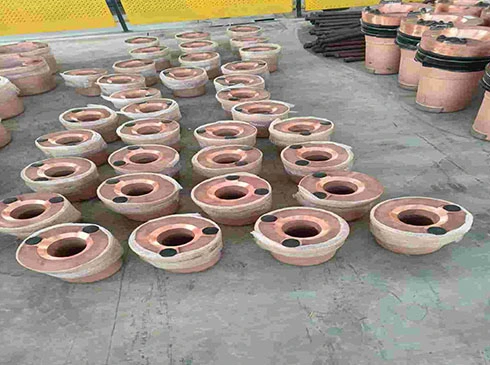
Understanding Blast Furnace Gas Purification: Problems and Challenges
Because the components of blast furnace gas are so complicated, they cause many problems that need specialized care. Our coworkers in the business know that uncontrolled gas not only breaks environmental laws, but it also hurts profits by breaking down equipment and stopping production.
The Hidden Costs of Contaminated Gas
Fine particles in the raw gas from blast furnaces rub against turbine blades and burner parts like sandpaper. When Top Gas Recovery Turbines use gas that hasn't been cleaned well enough, blade wear speeds up a lot, which means that repair needs to be done much less often—every few months instead of years. Unplanned shutdowns mess up production plans and put a strain on operations budgets, which hurts the economy in more ways than one. Another big problem is that corrosive chemicals are very dangerous. Chlorine and sulfur damage the walls of pipelines, which leads to catastrophic thinning over time in complicated transportation networks. We've seen sites where pipeline integrity problems led to emergency fixes that cost a lot more than investing in a proactive purification system.
Traditional Methods and Their Limitations
While legacy wet cleaning systems do their job, they are very hard to run. These regular Venturi scrubbers use a lot of water and make sludge that is hard to get rid of and costs a lot to do. Wet systems lose heat, which lowers the overall energy recovery efficiency and makes it harder for Top Pressure Recovery Turbine setups to make electricity. Maintenance needs for wet systems will always be high. Equipment used to move sludge needs to be watched all the time, and in some regions, it can freeze or scale over, which makes operations even less certain. Many integrated steel mills that use older purification systems have a hard time meeting the new ultra-low emission guidelines of less than 5 milligrams per average cubic meter.
Regulatory Pressures and Market Expectations
Environmental laws that control business pollutants are getting stricter all over the world. Smelting plants that are close to cities have to follow strict air quality rules that older air cleaning technologies can't always keep up with. In addition to following the rules, the market expects green steel output, which drives the need for better ways to make things. More and more, buyers prefer sellers who can show that they are reducing their carbon footprint and using circular economy practices. With this change in the market, cleaning gas goes from being a legal requirement to an edge in the competition.
Proven Technologies and Methods for Cost-Effective Blast Furnace Gas Cleaning
Modern technologies for purification offer a range of options that can be used in different ways depending on practical needs and budget limits. Knowing about these choices lets you make smart choices that balance short-term costs and long-term benefits.
Advanced Dry Filtration Systems
Dry-type bag filter systems for blast furnace gas purification service are a big step forward from wet scrubbing methods. Long-bag pulse dust collectors are used in these systems. They are very good at getting rid of dust while not using water or making mud. Specialized filter media are used in this technology to catch submicron particles through both surface and deep filtration. It's easy to do maintenance because automatic pulse-jet cleaning systems get rid of dust without stopping gas flow. The dry particulate matter that is gathered is easier to work with and can often be used again for other purposes. We've seen companies make huge strides in cleaning their gas, which protects sensitive equipment further down the line like TRT turbines and hot blast stove burners from wearing out too quickly.
Electrostatic Precipitation Technology
Electrostatic precipitators use strong electric fields to charge dust particles, which then move to electrodes for collection. This technology works great in high-volume situations where gas flow rates are higher than what fabric screens can handle. Compared to forced-draft wet systems, they use about the same amount of energy, and their running costs stay the same over long service periods. New improvements in electrostatic precipitators include smart tracking systems that find electrode fouling and automatically adjust the beating cycles for best results. These improvements make it easier to do things without having to do them by hand and greatly increase the time between upkeep tasks.
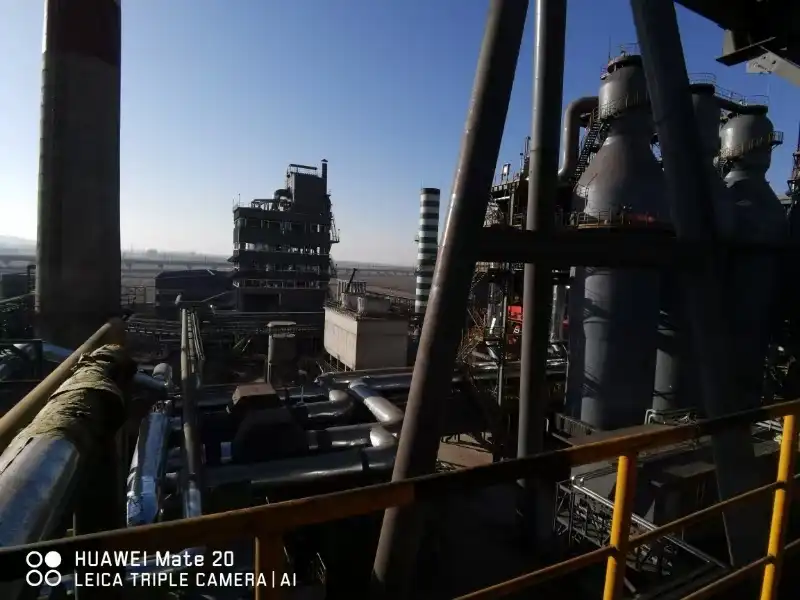
Hybrid and Integrated Approaches
When you combine several methods for cleaning, you often get better results than when you only use one. In a standard hybrid setup, cyclone separation is used first to get rid of large particles, then electrostatic precipitation is used for intermediate cleaning, and finally polishing filtration is used to get the emission levels as low as possible. Integrated solutions take care of other issues as well. Important areas are kept safe from chemical damage by anticorrosive coats made of acid-resistant materials and stainless steel parts inside. Closed-loop ash handling stops secondary dust releases while trapped particles are being moved, protecting the environment in every way. IoT-enabled tracking tools are the next big thing in technology for cleaning. Real-time monitors constantly check for differences in pressure, the make-up of gases, changes in temperature, and the stability of filters. Advanced analytics can tell when maintenance is needed before something breaks. This changes reactive maintenance cultures into proactive efficiency models.
Choosing the Right Blast Furnace Gas Purification Solution for Your Business
To choose the right purification tools, you need to carefully look at the technical specs, the working situation, and your long-term business goals. The choice framework should find a mix between making money now and making money over the course of a person's life.
Technical Capacity and Performance Specifications
The main factor for size is the gas flow amount. Purification systems need to be able to handle high production rates without causing too much backpressure, which could make furnace operations less stable. The way dust loads affects the choice of technology as well. For example, if there is a lot of dust at the start, pre-cleaning steps may be needed to protect the main filtration elements. Temperature control needs a lot of attention. Depending on how the process is set up, the gas that goes into cleaning devices is usually between 100°C and 400°C. The equipment has to be able to go through heat cycles without the materials breaking down, and it has to stay at a high enough temperature to keep moisture from condensing and causing corrosion problems.
Emission Standards Compliance
Understanding the regulatory systems that apply sets the base standards for success. Different places have different limits on particle emissions, and people who are buying now should think about how regulations will change in the future. Investing in systems that can go above and beyond current standards protects you against regulations getting stricter. For foreign jobs and EPC contractor applications, certification paperwork is very important. When you get equipment, it should come with full testing results, material approvals, and compliance statements that are in line with industry standards. Metallurgical instrumentation tests done by a third party add authority and make the regulatory clearance process easier.
Modularity and Scalability Considerations
Operations for blast furnace gas purification service can make sure that capital spending is in line with production growth and cash flow with phased investment strategies. Modular filtering systems can handle small increases in capacity without having to update the whole system. This freedom is especially helpful for businesses that want to grow or plan to improve their furnaces in the future. Scalability includes more than just physical capacity; it also includes the ability to automate tasks. Putting in place systems with ways to upgrade to more advanced controls, remote tracking, and predictive repair keeps technology investments from becoming useless over time. The physical size affects whether or not something is possible in limited spaces. Compact designs take up less space and are easier to fit into current plant plans. Equipment designed for small installation spaces and few structure changes is especially helpful for retrofit jobs.
Total Cost of Ownership Analysis
The purchase price is only one part of the real economic effect. A full cost analysis must take into account the costs of installation, energy use, replacing products, regular repair work, and the expected length of service life. Energy-efficient designs lower running costs by a large amount over many years of use. Systems that use useful heat for power production or other processes create extra value streams that make the project more profitable overall. You can measure the benefits of preventative maintenance plans from reputable providers. Regular checks find wear patterns early, new parts get there before they break, and skilled techs do service work quickly. These plans cut down on unplanned downtime, which is often the most expensive disruption to operations, and make repair planning more predictable.
Leading Suppliers and Service Providers for Blast Furnace Gas Purification
There are many companies in the global market that sell purification tools, but choosing the right seller has a big effect on how well the project turns out. Doing your research before deciding on a provider saves your investments and guarantees long-term operating success.
Evaluating Manufacturer Credentials
The production facilities, quality control systems, and technical tools should all be looked at in a manufacturing capability review. Large, well-known companies have engineering teams that can change standard designs to fit the needs of a specific job. As a member of the Taiyuan Silian Heavy Industry Group, SMEC has access to a large manufacturing infrastructure that covers 68,700 square meters and an industrial plant building area that covers about 23,000 square meters. We have 168 engineering and technical staff members, and 30 of them are top engineers. This gives us strong planning and problem-solving skills. Spending on research and development shows that a seller is dedicated to coming up with new ideas and making things better all the time. Together with university relationships, our Large-scale Intelligent Coking Equipment Research Institute and Shenzhen Research Branch push technology forward and make sure that our solutions use the newest advances in gas cleaning technology.
Service Level Agreements and Support Infrastructure
Quality of after-sales service for blast furnace gas purification service decides how well technology works for as long as it's supposed to. Service level agreements should be very clear about how long it will take to answer technical questions, when extra parts will be available, and how on-site help will work. For businesses to operate internationally, they need sellers with global service networks or dependable local partnerships. Time zone coverage and expert help in multiple languages make it easier to solve problems quickly. Training programs for plant workers make sure they know how to use tools correctly and how to fix simple problems. Full documentation, such as operation instructions, repair routines, and troubleshooting guides, lets plant teams improve machine performance on their own, knowing that they can get help from experts when they need it.
Certification and Quality Assurance
Suppliers with a good reputation keep certificates that show they follow international quality standards. Objective proof of manufacturing skills can be found in ISO certifications, pressure tank qualifications, and industry-specific accreditations. Case studies and examples from clients can help you understand how well a company does their job. Talking to operators at similar sites can give you real-life information about how reliable equipment is, how quick suppliers are, and how performance actually compares to what was promised. Clear contact during the proposal stage shows how a seller does business. Honest conversations about capabilities, clear schedule promises, and detailed technical specs are all signs of professional integrity. On the other hand, hazy promises or a refusal to answer tough questions should make you suspicious.
Ensuring Sustainable and Environmentally Responsible Blast Furnace Gas Cleaning
Environmental responsibility is becoming more important in procurement choices as more people realize that environmental responsibility and operational success work hand-in-hand instead of against each other.
Energy Recovery Integration
There are several ways that modern cleaning systems save energy and work best. Keeping the gas at the same temperature during the cleaning process keeps the useful heat that can be used to make electricity by the Top Gas Recovery Turbine. Facilities that use dry filter systems report much higher TRT outputs than those that used wet scrubbing systems in the past. Gas that has been cleaned up is a useful fuel for many plant activities. Clean blast furnace gas is used in hot blast stoves, reheating furnaces, and auxiliary heaters. This replaces fuels that are bought, which lowers total carbon emissions. This extra energy source is often worth the cost of installing a cleaning system just to save money on fuel.
Emission Reduction and Air Quality Improvement
Ultra-low emission cleaning technologies directly improve the quality of the air in a given area by removing particles that would otherwise spread to nearby towns. This real benefit to the environment makes connections with nearby people and government agencies stronger. Closed-loop material handling systems keep rogue dust from escaping while particles are being collected and thrown away. Automated ash removal equipment works inside protected transportation systems, getting rid of secondary pollution sources that hurt the main efforts to clean up.
Continuous Improvement and Performance Monitoring
Using key performance indicators to track success in real time allows for effective management and ongoing improvement. By keeping an eye on measures like outlet dust content, pressure drop across filters, and energy use per unit of gas handled, you can see patterns in efficiency and find ways to improve it. Operational quality is maintained by giving operators regular training. People who are well-trained can spot problems early, do regular maintenance properly, and adjust system settings to fit changing production conditions. Putting money into training workers makes machine purchases more valuable.
Conclusion
To clean blast furnace gas purification service in a way that doesn't cost too much, you have to find a balance between technological ability, operating usefulness, and long-term economic value. Modern methods for cleansing deal with important issues in the industry, like protecting equipment, following environmental rules, and recovering energy, while also helping to reach goals for sustainable manufacturing. Gas cleaning can be turned from an unnecessary cost into an investment that creates value by choosing the right equipment and working with reputable providers. Operations make sure they get purification systems that work well, follow the rules, and give them a competitive edge over the long term in tough metallurgical environments by carefully examining technical specifications, total ownership costs, and supplier capabilities.
FAQ
What exactly does a blast furnace gas purification service include?
Engineering design, equipment supply, installation control, commissioning, and ongoing expert support are all parts of professional gas cleaning services. The service cleans up raw blast furnace gas by taking out dust, water, and toxic substances. This makes it a clean fuel that can be used to make electricity and heat factories. Performance tests, operator training, and preventative maintenance plans are just a few of the many services that are available.
How do purification systems integrate with existing plant infrastructure?
Modern equipment for cleaning is made to be easily integrated with a wide range of plant layouts. Retrofit projects use modular parts that can be put together in small spaces and connect to current gas delivery networks. Experienced providers carefully examine the site, create personalized integration plans, and offer installation instructions that keep production running as smoothly as possible during the implementation stages.
What factors influence purification system operating costs?
Costs are mostly made up of energy used by fans and cleaning mechanisms, replacement filter media or consumables, regular upkeep work, and getting rid of trash. Total running costs over the life of an item are greatly affected by how well it is designed, how it is used, and how often it is serviced.
Partner with SMEC for Advanced Gas Purification Solutions
SMEC is in a unique situation to offer complete, custom solutions to metallurgical companies that need a trusted blast furnace gas purification service provider. Our decades of experience as engineers working in the coking and steel industries have helped us create purification systems that meet high performance standards and make the most of operating costs. Our factories are in Taiyuan City, Shanxi Province, which is the center of China's energy and heavy industry. They make equipment that uses the newest technology. During production, we keep a close eye on quality by using advanced testing tools and precise instruments to make sure that performance specs are met before shipping. Our dedication goes beyond just delivering tools. Full help after the sale includes expert advice, spare parts, training in upkeep, and services to make the system work better. We see our relationships with clients as long-term partnerships where both of our success relies on the tools continuing to work well and operations being run perfectly. Get in touch with our team at project@smec.cc to talk about your unique gas cleaning needs. Our engineers will look at your operational factors, suggest the best technologies, and write thorough proposals that show how our solutions meet your technical and financial needs while also being environmentally friendly.
References
Chen, W.H. and Lin, M.R. (2021). "Energy Recovery and Emission Control in Blast Furnace Gas Systems," Journal of Cleaner Production, Vol. 285, pp. 124-138.
International Iron and Steel Institute (2020). "Best Available Techniques for Blast Furnace Gas Treatment and Utilization," Technical Report Series, Brussels.
Morrison, K. and Patel, S. (2022). "Comparative Analysis of Dry and Wet Gas Cleaning Technologies in Integrated Steel Mills," Metallurgical Engineering Quarterly, Vol. 47, No. 3, pp. 201-219.
Zhang, L., Wang, Q., and Liu, H. (2021). "Advanced Filtration Materials for High-Temperature Industrial Gas Cleaning Applications," Powder Technology, Vol. 392, pp. 567-582.
United States Environmental Protection Agency (2019). "Control Technologies for Hazardous Air Pollutants from Iron and Steel Production," EPA Technical Guidance Document 453/R-19-004.
Bergman, R.A. (2020). "Economic Evaluation of Blast Furnace Gas Purification System Upgrades: A Lifecycle Cost Analysis," Iron and Steel Technology, Vol. 17, No. 8, pp. 88-102.
Free consultation & volume discounts available
SEMC focuses on the entire metallurgical process—from coking, ironmaking, and steelmaking to continuous casting and rolling. Whether you face challenges related to equipment upgrades, energy efficiency optimization, or overall process transformation, please fill in the following information. Our technical team will provide you with tailor-made high-end equipment upgrade solutions and professional EPC design services to help your project be implemented efficiently.
Recommended Blog

How to Choose Durable Blast Furnace Water-Cooled Valves for Long-Term Use?

Common Issues with Blast Furnace Riser Pipes and How to Fix Them


Future of Steelmaking: AI-Powered Blast Furnace Tuyere Imaging Services


Common Problems in Three-Ring Cone Scrubbers and How to Fix Them


How Does a Three-Ring Cone Scrubber Work in Blast Furnace Gas Cleaning?
