How to Choose Durable Blast Furnace Water-Cooled Valves for Long-Term Use?
How to Choose Durable Blast Furnace Water-Cooled Valves for Long-Term Use?
Understanding Blast Furnace Water-Cooled Valves and Their Functions
- Understanding Blast Furnace Water-Cooled Valves and Their Functions
- Key Criteria to Evaluate for Durability in Blast Furnace Water-Cooled Valves
- Common Problems and Maintenance Best Practices for Long-Term Valve Performance
- Comparing Water-Cooled Valves with Alternative Valve Cooling Methods
- Procurement Considerations When Buying Durable Blast Furnace Water-Cooled Valves
- Conclusion
- FAQ
- Partner with SMEC for Reliable Blast Furnace Water-Cooled Valve Solutions
- References
When choosing a blast furnace water-cooled valve, consider how it manages heat, its materials, and how it functions with your furnace system. These valves must maintain exact flow control at temperatures exceeding 1000°C in hot blast stoves, gas cleaning systems, and powdered coal injection lines. A heat-resistant material, a good jacketed cooling system, and metallurgy industry norms determine durability. Purchase managers and plant engineers can make decisions that keep equipment working well and prolong its life in severe ironmaking environments when they grasp these principles.
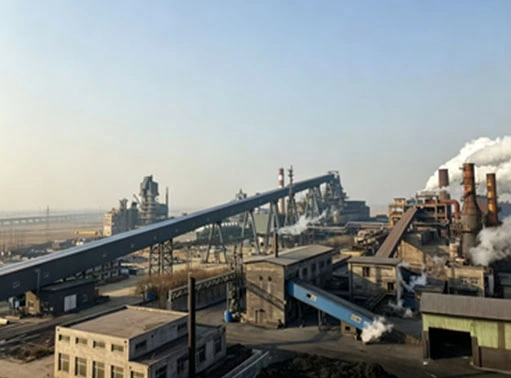
Understanding Blast Furnace Water-Cooled Valves and Their Functions
I've worked in metals for years and seen how crucial these valves are to burner operation. A blast furnace water-cooled valve manages flow in high-temperature, high-pressure ironmaking facilities. The concept includes a jacketed or pipe-based forced water circulation system to remove excessive heat. This keeps the valve body and sealing surfaces working at 1400°C process temperatures.
The Core Components That Define Performance
Valve body, cooling jackets, and closing parts work together to maintain valve temperature and lifespan. The structure's basis is heat-resistant metal steels, notably Chromium-Molybdenum kinds, and Stellite seals joints. Water routes in the valve body keep hot process media away from critical mechanical elements. This design prevents the valve disc from deforming too rapidly owing to heat and seat leaks from uneven thermal expansion, the industry's principal issue.
Superior Thermal Management Compared to Alternatives
In blast furnaces with radiation heat and gas temperatures, water-cooled systems function better than air-cooled versions. Forced water flow carries heat three to five times quicker than passive air cooling, lowering valve surface temperature below critical stress. For isolating hot blast stoves and managing combustion gasses, water-cooled systems are preferred because greater temperature management extends component life and reduces maintenance.
Knowing these concepts helps engineers pick operation-appropriate equipment. Water flow, channel form, and surface area adjustment in the valve casting effect cooling.
Key Criteria to Evaluate for Durability in Blast Furnace Water-Cooled Valves
Valve longevity depends on material quality and heat resistance. To pick tools that will last, you must examine several technical considerations while choosing your facility's equipment to ensure the blast furnace water-cooled valve provides long-term service.
Material Selection and Thermal Stability
Stainless steel usually resists corrosion and retains its form better than cast iron. Valve body material must withstand repeated heating and cooling without splitting or twisting. Because they stay hard over 800°C and don't wear down in dusty blast furnace gas, cobalt-based alloys like Stellite 6 are still used to close faces. You may verify the alloy's composition and metallurgical properties by asking for material certifications and heat treatment evidence before buying.
Pressure and Temperature Rating Alignment
Design pressures vary from PN0.25 MPa to PN1.6 MPa, and common diameters are DN200mm to DN2200mm, depending on the application. The valve's pressure-temperature value must be safe above the furnace's maximum working conditions. Following ISO 9001, GB/T 12224, and metallurgy-specific requirements ensures equipment meets technical criteria. These certificates protect you from low-quality parts that break too fast under real-world operating loads while assessing a vendor.
Cooling System Design and Efficiency
Optimized valve shape and water flow design affect durability and performance. The cooling system needs minimal pressure drop and high hot spot flow rates. Special hydraulic formulae uniformly distribute valve body temperature throughout design. Hotspots that accelerate material wear are eliminated. Technical and engineering-savvy manufacturers want CFD analysis or thermal modeling data.
These technical parameters arrange product comparisons. Working with manufacturers who offer full quality assurance, extended warranties, and fast customer assistance reduces equipment lifetime operating risks.
Common Problems and Maintenance Best Practices for Long-Term Valve Performance
If mishandled, even a well-designed blast furnace water-cooled valve might work poorly. You may extend equipment life and prevent breakdowns by identifying early warning signals and maintaining it regularly.
Operational Challenges in High-Temperature Environments
The most prevalent issue is leakage, induced by a damaged seal or heat warping of fitting surfaces. When water quality is low, mineral coatings and scale can restrict flow and generate hotspots. Internal cooling routes might block. If cleaning procedures aren't followed, blast furnace gas corrodes process-side surfaces and water-side channels inside the building. High-stress regions that are repeatedly heated and cooled develop small fractures, weakening the structure.
Preventive Maintenance Strategies That Work
Regular inspections improve valve control. Full furnace interior checks are done every 12–18 months during specified breaks. This detects wear patterns before they become issues. Cleaning cooling passages with certified chemical descaling agents removes deposits and restores thermal performance. Water quality control is crucial because cleansed demineralized water prevents scaling and clogging, which induce heat and thermal cracking. Monitoring the temperature, flow rate, and pressure drop across the water intake aperture can help you discover issues early.
Troubleshooting and Replacement Decision Criteria
You must test the surface temperature numerous times during operation to locate hotspots where flow is slowing down in the system to find cooling losses. Seal quality inspections detect leaks before they worsen while the heater is off. Remember that replacing valves that fail several times or have been used for more than 10 years is cheaper than repairing them. Maintaining detailed data helps define performance standards and identify long-term deterioration tendencies.
Following these recommended practices can extend valve life and reduce unplanned downtime and replacement costs in tough industrial situations. Preventive treatment improves reliability and lowers emergency repair costs.
Comparing Water-Cooled Valves with Alternative Valve Cooling Methods
Understanding cooling methods helps you pick the right instruments for each work. You can pick between water-cooled, air-cooled, or mixed systems depending on heat load, positioning, and cost.
Performance Advantages in Extreme Thermal Conditions
Hot blast stoves and combustion gas usage benefit from water-cooled valves. The liquid cooling medium removes heat quicker than air-cooled systems, keeping critical parts cold. Better temperature management reduces material breakdown and thermal stress, extending blast furnace water-cooled valve life. Air-cooled solutions can function in lower temperatures or when the installation room doesn't allow water circulation, but they need larger body casts with longer fin surfaces to remove heat.
Installation and Operational Complexity Considerations
Water-cooled systems require supply lines, return pipes, and custom cooling towers or heat exchangers. Because it's so sophisticated, there are other areas things may go wrong besides the valve, thus the valve and cooling system must operate together. Air-cooled variants are quicker to install and less dependent on each other because they don't need these parts. However, you must accept decreased heat capacity and possibly slower speeds during peak temperatures.
Material Variants and Economic Impact
Stainless steel is more expensive than cast iron but resists corrosion and maintains temperature. In addition to the purchase price, the cost of ownership includes maintenance, spare parts, and estimated lifespan. Properly maintained water-cooled stainless steel valves in hot blast stoves last 15–20 years. In contrast, air-cooled cast iron valves may need replacement every 8–12 years. Lifetime economics often justify the higher initial investment in water-cooled technology for critical purposes.
The highest performance and lowest costs come from choosing the proper valve type depending on furnace size, temperature ranges, and pressure conditions, according to integrated steel mill case studies.
Procurement Considerations When Buying Durable Blast Furnace Water-Cooled Valves
Strategic procurement uses technical needs, supplier credentials, and commercial terms to maximize value. Due to their complexity, the procurement of a blast furnace water-cooled valve must be examined beyond price comparisons.
Technical Specification and Customization Requirements
Write down your furnace's peak temperature, pressure, nominal diameter, and fitting constraints to start discussions with suppliers. Bulk purchases allow you to make business-specific adjustments without paying extra. Asking for dimensional models, material certificates, and quality control papers during the bid phase may ensure the equipment matches your technical demands.
Supplier Evaluation and Quality Verification
Makers having a history of creating metallurgical equipment will provide proven designs and production expertise. Chinese enterprises who sell abroad provide attractive discounts and maintain quality by acquiring ISO accreditation and third-party testing. Assess a supplier's qualifications by reviewing their quality management system certifications, asking for samples of similar projects, and testing their technical support. How transparent a supplier is regarding their production, testing, and quality checking techniques shows their commitment to reliability.
Warranty Coverage and Spare Parts Availability
Full warranty packages typically last 12–24 months and reduce break-in risk. Make sure you have additional parts and know how long they'll take to receive, especially for wear items like seals and actuator elements. Suppliers who carry spare parts or offer speedy shipment for emergency replacements reduce repair downtime. Clear warranty conditions, technical support times, and replacement part pricing during purchasing prevent disputes.
These variables assist make informed purchases that maintain system security over time and maximize ROI across the equipment's lifespan. Considering these factors during the choice process prevents costly errors and ensures system functionality.
Conclusion
To choose durable blast furnace water-cooled valves, evaluate how they manage heat, their materials, and how they function with other machine elements. The stove's reliability, maintenance cost, and decades-long production depend on the decision. Water-cooled systems operate better in extreme heat or cold, and their complexity is justified by their longevity and reliability. Technical specification rigor, seller quality evaluation, and lifetime cost analysis are key to smart buying. Preventive maintenance extends tool life and saves downtime. All of these considerations determine whether your valve purchase provides the best value during its lifespan.
FAQ
How does cooling water quality affect valve lifespan?
Bad water quality accelerates valve wear in numerous ways. Mineral-rich water scales cooling routes, stopping flow and causing thermal cracking. Corrosive pollutants weaken structural parts and cause leaks. Airborne particles clog tiny routes, reducing cooling and raising temperatures. Using purified demineralized water prolongs valve life by preventing breakdown. Preventative measures like water quality testing and cleaning system maintenance preserve your equipment investment.
What is the typical maintenance interval for these valves?
A blast furnace utilized 24/7 should have comprehensive internal checks every 12–18 months when shut down. To detect issues early, inspect the seals when you turn off your heater. Cooling water flow, pressure drop, and surface temperatures should be examined monthly from the outside for early warning indications. Descaling the cooling duct using approved chemicals prevents buildup. Maintenance frequency may vary depending on water quality, operating temperature, and application wear patterns.
Can the valve operate if the water cooling fails?
High-temperature blast furnace valves fail fast when the cooling system fails, causing death within minutes. Without water flow, temperatures climb above material limitations immediately, changing valve disc and seat form. If sealing surfaces lose contact, process gas can leak. Continuing the procedure might cause the building to collapse, which is risky. Backup pumps and interlocks shut down the cooling system when flow rate declines. Emergency measures provide for turning off the heater and replacing the valves if the cooling system fails.
Partner with SMEC for Reliable Blast Furnace Water-Cooled Valve Solutions
After decades in mining equipment, SMEC develops blast furnace water-cooled valves. Advanced research and development are combined with established quality output. Twenty-five outstanding engineers on our engineering team collaborate with customers to design specialized valve solutions for their businesses. Taiyuan City, Shanxi Province's energy and heavy chemical hub, houses our 23,000-square-meter facility. It creates world-quality, industry-approved equipment. We decrease business risk by offering complete warranty coverage, experienced assistance, and easy-to-find replacement parts as a well-known firm. Reach out to our team at project@smec.cc to discuss your project and learn how our metallurgical equipment can improve your business's performance and reliability.
References
1. American Society of Mechanical Engineers. (2021). Valves for High-Temperature Industrial Applications: Design Standards and Material Selection Guidelines. ASME Technical Publication Series.
2. Chen, W., & Liu, H. (2020). Thermal Management Systems in Metallurgical Equipment: Water-Cooled Valve Technology and Performance Optimization. International Journal of Industrial Engineering.
3. European Committee for Standardization. (2019). Industrial Valves: Testing and Quality Control Procedures for High-Pressure Applications. CEN Technical Standards Documentation.
4. Metallurgical Equipment Manufacturers Association. (2022). Best Practices for Blast Furnace Auxiliary Equipment Maintenance and Lifecycle Management. MEMA Industry Guidelines.
5. Smith, R.D., & Thompson, J.K. (2020). Materials Science in Extreme Environments: Alloy Selection for High-Temperature Valve Applications. Materials Engineering Quarterly.
6. Zhang, Y., Wang, L., & Kumar, S. (2021). Comparative Analysis of Cooling Methods in Industrial Flow Control Equipment. Process Engineering and Technology Review.
Free consultation & volume discounts available
SEMC focuses on the entire metallurgical process—from coking, ironmaking, and steelmaking to continuous casting and rolling. Whether you face challenges related to equipment upgrades, energy efficiency optimization, or overall process transformation, please fill in the following information. Our technical team will provide you with tailor-made high-end equipment upgrade solutions and professional EPC design services to help your project be implemented efficiently.
Recommended Blog


Blast Furnace Tower Equipment: Modular vs Traditional Designs

Blast Furnace Riser Pipe Failures: Causes, Prevention, and Best Practices


Why Modern Steel Plants Use Automatic Drill Rod Replacement Devices

What to Look for in Blast Furnace Tower Equipment Suppliers

Why Cooling Water Barrier Systems are the Last Line of Defense in BF Safety?

How to Choose a Reliable Blast Furnace Vent Valve Manufacturer?