Innovations in Blast Furnace Cooling Wall Materials
Understanding Blast Furnace Cooling Walls and Material Challenges
- Understanding Blast Furnace Cooling Walls and Material Challenges
- Innovations in Cast Iron Blast Furnace Cooling Wall Materials
- Performance Comparison: Cast Iron vs. Alternative Cooling Wall Materials
- Optimizing Procurement of Cast Iron Blast Furnace Cooling Walls
- Future Trends and Emerging Technologies in Cooling Wall Materials
- Conclusion
- FAQ
- Partner with SMEC for Advanced Blast Furnace Cast Iron Cooling Wall Solutions
- References
The blast furnace business is still seeing amazing changes in technology, especially in thermal control systems that keep important structures safe. Among these improvements, blast furnace cast iron cooling wall technology has become important for companies that want to make their products last longer and work more efficiently. New developments in nodular cast iron materials, especially QT400-18 and QT450-10 alloys, now make it possible for materials to have tensile strengths higher than 400 MPa while still transferring heat between 35 and 42 W/(m·K). These new materials solve problems that have been around for a long time, like thermal fatigue and refractory decline. This means that metallurgical processes can have longer campaign cycles and lower upkeep costs.
Understanding Blast Furnace Cooling Walls and Material Challenges
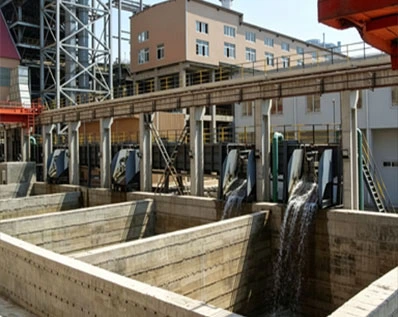
The blast furnace works in one of the toughest industrial settings you can imagine. At its core, heat management decides whether a boiler works reliably or crashes, which can be expensive. The main line of defense between the strong heat inside (often over 1000°C) and the solid steel shell is the blast furnace cast iron cooling walls.
Traditional Material Limitations in High-Temperature Environments
Cast iron has traditionally been used for cooling walls because it has a good cost-to-performance ratio and is easy to work with. Normal gray iron, on the other hand, gets thermal wear after being heated and cooled many times. This happens as cracks on the surface, especially in the belly and bosh of the furnace where temperature differences are strongest.
Corrosion is another problem that never goes away. The tough chemical environment inside blast furnaces, with reducing gases rising and slag-forming materials falling, constantly hits the cooling wall surfaces. Traditional materials need to be replaced more often, which raises the cost of the materials themselves and causes production to stop during repair times.
Critical Performance Requirements Driving Material Innovation
When choosing materials for cooling walls, procurement teams at integrated steel mills and coking plants have to make hard choices. The best answer should have the right amount of thermal conductivity and mechanical strength, be able to handle both thermal shock and chemical attack, and have a service life that can be predicted even when used in a variety of circumstances. Because of these needs, material scientists and casting engineers have come up with next-generation solutions that set new standards for performance in this tough application.
Innovations in Cast Iron Blast Furnace Cooling Wall Materials
Recent progress in metallurgy has turned cast iron from a simple common material into a high-tech designed answer. The biggest step forward in blast furnace cast iron cooling wall technology in the last twenty years has been the creation of nodular cast iron.
Advanced Nodular Cast Iron Alloy Development
Modern types of nodular cast iron, like QT400-18, have amazing dynamic qualities that are achieved by carefully controlling the shape of the graphite and the microstructure of the matrix. Unlike flake graphite in regular gray iron, which works as stress concentrators inside the iron, spheroidal graphite clusters stop cracks from spreading. This microstructural improvement leads to stretch values of 10–18%, which makes the material much more resistant to heat shock and mechanical impact.
Another important innovation is the metal bond between the cast iron body and the cooling lines that are inserted in it. Before they are put into place, seamless steel pipes, which are usually made of 20# carbon steel, get special processes on the outside. This either makes a metallic fusion zone or a very tight mechanical contact that lets different temperatures rise and fall without separating. This makes a cooling system that stays strong even after thousands of hot rounds.
Integrated Cooling Channel Design Optimization
In addition to changes in material makeup for blast furnace cast iron cooling wall, cooling duct geometry has also changed a lot. With computer-aided engineering tools, producers can now model how temperatures will spread out and find the best ways for water to flow before the casting process starts. These changes to the design make sure that the wall surface cools evenly, avoiding the hot spots that used to speed up refractory wear.
The inclusion of temperature sensors is a very useful improvement. By putting thermocouples right into the cooling wall bodies, temperatures can be tracked in real time. Today, plant engineers can quickly find changes in temperature that aren't normal and fix them before small problems become big ones. This predictive maintenance feature cuts down on unplanned downtime by a large amount and increases the general mission life of the furnace.
Thermal Stress Management Through Advanced Coatings
As an extra way to make cooler walls work better, thermal barrier paints have become popular. Putting these ceramic-based layers on hot-face surfaces helps keep the slag skin formation stable. The slag skin formation is the safe frozen slag layer that forms naturally during operation. A steady slag skin acts as an extra insulating layer, stopping heat from moving into the cooling wall and lowering thermal stress cycle.
Performance Comparison: Cast Iron vs. Alternative Cooling Wall Materials
To choose the best blast furnace cast iron cooling wall materials, you need to know how different technologies affect each other. Copper and steel are both options, but each has its own pros and cons that affect the total cost of ownership.
Copper Cooling Systems: Premium Performance at Premium Cost
Copper is the best at conducting heat—about 400 W/(m·K) compared to 35–42 W/(m·K) for cast iron. This amazing ability to move heat quickly lets thermal energy escape, which could make refractory materials last longer in areas with very high heat flow. Copper's high cost and unstable supply chain, on the other hand, make budgeting hard, especially for big projects that need hundreds of cooling elements.
Another problem with copper is that it is not very strong mechanically. Its relatively low yield strength means that bigger wall sections or extra structural support are needed, which somewhat cancels out the benefit of being able to conduct heat better. Copper also corrodes more quickly in some types of burner gas, which limits the things it can be used for.
Steel-Based Solutions: Strength with Maintenance Trade-offs
The mechanical strength of steel cooling walls is higher, and they are very resistant to wear from materials that are falling. Structures made of steel can be made with complicated shapes that are hard to make with cast iron. But because steel doesn't conduct heat as well as cast iron does, it needs stronger cooling water flow rates, which raises the cost of pumping energy.
When it comes to maintenance, steel devices usually cost more. Welded seams between cooling sections become weak spots where heat cycling can cause cracks to form over time. When compared to modular cast iron replacement, repair usually requires special welding techniques and more downtime.
Cast Iron: The Balanced Solution for Most Applications
For most blast furnace uses, modern nodular cast iron cooling walls are the best mix of strength and flexibility. Their thermal conductivity handles heat flow well in all but the hottest and coldest areas, and their mechanical features can handle both thermal and mechanical pressures. The cost of making them stays about average, and they are always available through established manufacturing networks.
It's important to note how easy it is to make changes to blast furnace cast iron cooling wall. Foundries can easily change casting designs to fit different furnace shapes and bolt hole patterns. This versatility comes in very handy when remodeling furnaces and the cooling walls need to fit in with the existing shell structures.
Optimizing Procurement of Cast Iron Blast Furnace Cooling Walls
Decisions about strategic sourcing have a direct effect on both the starting cost of cash and the long-term cost of running the business. To make sure projects go well, procurement workers have to rate suppliers of the blast furnace cast iron cooling wall in a number of different ways.
Supplier Qualification and Manufacturing Standards
Quality control starts with certifying suppliers and evaluating their ability to make things. Leading makers follow the GB/T 1348 guidelines for nodular cast iron castings, which makes sure that the dimensions are correct and the material is always the same. When you visit a production facility, you can learn about important skills like how to make precise patterns, treat hot metal, and do non-destructive testing.
When buying things from other countries, technical paperwork is very important. Material test records with lots of information, like chemical makeup analysis, mechanical property verification, and ultrasonic inspection results, show that a product is of good quality. These papers also make it easier to clear customs and follow the rules in target markets.
Customization Capabilities and Engineering Support
For each blast furnace, there are different size needs and ways to run it. Suppliers who offer full tech help are worth a lot more than just supplying products. Design advice services help find the best cooling wall configuration for each application, and installation direction cuts down on the time and risk of commissioning.
Virtual fit-checking is possible before manufacturing starts thanks to three-dimensional models. This testing before production finds any possible interference problems early on, so expensive changes don't have to be made in the field. Some high-tech makers offer computational fluid dynamics analysis to guess how cooling water will move and find the best places for the inlets and outlets.
After-Sales Service and Long-Term Partnership Value
The seller of the cooling wall and the user of the furnace work together for a long time after the initial delivery. When wear causes parts to need to be replaced, having access to replacements becomes very important. When suppliers keep enough common designs in stock, they can quickly meet urgent replacement needs and keep production running as smoothly as possible.
Another useful thing that they offer is proactive service plans. Technicians from the maker do regular inspections to find problems before they become major problems. These professionals know a lot about the products they sell and how to diagnose problems, which plant maintenance teams might not have, especially when it comes to newer cooling wall technologies.
Future Trends and Emerging Technologies in Cooling Wall Materials
The way blast furnace cast iron cooling walls are developing points toward methods that are smarter, more efficient, and last longer. Over the next ten years, a number of new technologies are expected to change the best ways to do things in many industries.
Smart Materials and IoT Integration
The Industrial Internet of Things is making its way into big industries that are usually very cautious, like blast furnace operation. The next version of cooling walls will have embedded sensor networks that measure more than just temperature. These networks will track vibrations, water flow rates, and structural pressure. This stream of data with many parameters allows for complex analytics that can accurately predict how much service life is left.
Machine learning algorithms that have been taught on old furnace data can find small trends that show failures are about to happen. Plant managers get early warnings of problems days or weeks before they can be seen through regular tracking. This lets them plan to fix things during fixed maintenance windows instead of having to shut down the plant in an emergency.
Composite and Hybrid Material Solutions
Material science researchers are still looking into composite designs that blend the low cost of cast iron with better performance. One potential method involves adding ceramic reinforcement threads to the cast iron core. This makes it more resistant to thermal shock and increases its high-temperature creep strength. Even though they are still being worked on, these products could make nodular iron last 30 to 50 percent longer than it does now.
Another way to come up with new ideas is to use hybrid cooling wall designs. These systems use different materials in areas with varying working conditions. For example, copper or advanced ceramics are used in areas with the most heat flux, while cheaper cast iron is used in areas that aren't as demanding. This targeted materials method improves both efficiency and the cost of the whole system.
Environmental Sustainability and Energy Efficiency
Regulations that want to cut down on carbon emissions from factories are pushing companies to come up with new, more energy-efficient cooling systems. Modern designs for cooling walls use less water because they use flow patterns that get rid of as much heat as possible with as little coolant as possible. Sometimes, experimental systems use heat recovery to turn waste heat into steam for other processes or to warm up the air for burning.
Material lifespan issues are also becoming more important. More and more, manufacturers are looking at how the extraction of raw materials, production energy use, and recycling possibilities at the end of a product's life affect the climate. Because almost all scrap iron can be remelted and used to make new castings, cast iron is naturally more environmentally friendly than mixed materials that need to have their parts separated in a complicated way.
Conclusion
As mining technology moves toward greater efficiency, dependability, and sustainability, so do the materials used for blast furnace cast iron cooling walls. Nodular cast iron cooling walls now offer performance levels that were previously unimaginable with gray iron. They do this by mixing better thermal and mechanical qualities with ease of manufacture and low cost. When purchasing managers look at their choices for building a new furnace or improving an old one, knowing about these new materials helps them make decisions that are best for both the short-term and long-term costs of running the furnace. In the coming years, things will get even better thanks to the progress being made on smart tracking systems, improved material composites, and energy recovery integration.
FAQ
What determines the service life of cast iron cooling walls in blast furnaces?
Service life is affected by many things that work together, such as the type of material used, the working temperature, the quality of the cooling water, and the make-up of the load. If you take good care of your furnace, good quality nodular blast furnace cast iron cooling walls should last between 10 and 15 years. The right way to treat water stops internal scaling, which lowers the efficiency of heat transfer, and stable furnace operation stops thermal cycle, which wears parts down faster. Regular tracking lets you find hot spots or flow restrictions early, so you can fix the problem before it gets worse.
How does nodular cast iron compare to gray iron for cooling wall applications?
Nodular cast iron does better than gray iron in almost all important ways. Its spheroidal graphite structure allows for 10–18% extension compared to 1%–2% for gray iron, which makes it much more resistant to heat shock. Tensile strength goes up from about 250 MPa in gray iron to 400 MPa or more in nodular grades. This improved flexibility and strength directly leads to longer service life and lower failure risk, which more than justifies the small cost increase for most uses.
Can cooling walls be customized for furnace revamping projects?
One of the best things about cast iron is that it can be customized. It's easy for manufacturers to change casting designs to fit current shell bolt patterns, penetration locations, and size limits. This adaptability is very important for furnace changes, where cooling walls need to fit in with structural parts that will stay the same. Before manufacturing starts, detailed dimensional scans and 3D models make sure that the parts will fit correctly, which means that fewer changes need to be made in the field during installation.
Partner with SMEC for Advanced Blast Furnace Cast Iron Cooling Wall Solutions
Every blast furnace cast iron cooling wall project that SMEC works on is backed by decades of experience in metallurgy equipment engineering. As a top company that makes blast furnace cast iron cooling walls, we offer unique solutions that are made to your exact specs using high-quality nodular cast iron grades like QT400-18 and QT450-10. Our full service includes design advice, precision manufacturing, help with installation, and preventative upkeep plans after the sale. Our 68,700-square-meter plant is in Taiyuan, which is the national energy and heavy industry base of China. It has advanced casting and machining skills and is staffed by 168 engineering professionals. Get in touch with our expert team at project@smec.cc right away to talk about your needs and find out how SMEC's creative cooling wall solutions can help your heater last longer and cost less to maintain.
References
Geerdes, M., Chaigneau, R., and Kurunov, I. (2020). Modern Blast Furnace Ironmaking: An Introduction (4th Edition). IOS Press.
Peacey, J. G. and Davenport, W. G. (2018). The Iron Blast Furnace: Theory and Practice. Pergamon Press.
Lyakishev, N. P. and Pliner, Y. L. (2019). Metallurgy of Blast Furnace Process and Cast Iron Cooling Systems. Metallurgiya Publishers.
Singh, V. and Kumar, S. (2021). Advances in Refractory and Cooling Technologies for Modern Blast Furnaces. Journal of Iron and Steel Research International, 28(6), 641-655.
Zhou, C., Lei, H., and Wang, G. (2022). Thermal Management Optimization in Large-Scale Blast Furnaces: Materials and Design Innovations. Ironmaking and Steelmaking: Processes, Products and Applications, 49(3), 287-301.
European Commission Joint Research Centre (2021). Best Available Techniques (BAT) Reference Document for Iron and Steel Production: Cooling System Technologies. Publications Office of the European Union.
Free consultation & volume discounts available
SEMC focuses on the entire metallurgical process—from coking, ironmaking, and steelmaking to continuous casting and rolling. Whether you face challenges related to equipment upgrades, energy efficiency optimization, or overall process transformation, please fill in the following information. Our technical team will provide you with tailor-made high-end equipment upgrade solutions and professional EPC design services to help your project be implemented efficiently.