Future of Steelmaking: AI-Powered Blast Furnace Tuyere Imaging Services
Future of Steelmaking: AI-Powered Blast Furnace Tuyere Imaging Services
Understanding Blast Furnace Tuyere Imaging Technology
- Understanding Blast Furnace Tuyere Imaging Technology
- Advantages of AI-Powered Tuyere Imaging Services Over Traditional Methods
- Application Scenarios and Operational Benefits for Steel Plants
- How to Choose the Right Blast Furnace Tuyere Imaging Service
- Future Trends and Innovations in Tuyere Imaging for Steelmaking
- Conclusion
- FAQ
- Partner With SMEC for Advanced Furnace Monitoring Solutions
- References
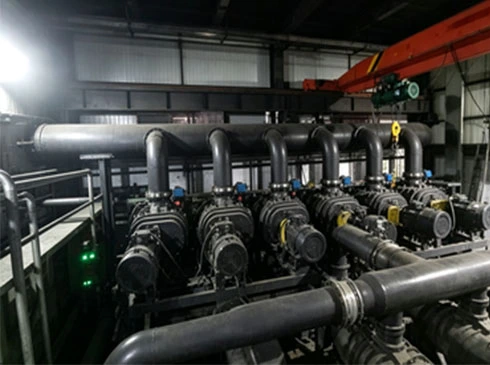
The blast furnace tuyere imaging service is a huge step forward in metallurgical tracking. It uses infrared sensors, high-temperature-resistant optical systems, and AI-driven image processing to show the conditions of the blast furnace tracks in real time. This specialized diagnostic solution solves problems that have been around for a long time, like the dangers of human inspections, not being able to measure how well powdered coal is injected, and not having early warning systems for tuyere burn-through or slag-crust formation. This technology turns raw visual data into information that can be used, which keeps furnaces running smoothly and stops disasters from happening in steel production areas.
Understanding Blast Furnace Tuyere Imaging Technology
The tuyere is the main part of the furnace that connects the oxygen-rich blast air to the inside of the furnace. Its state must be closely watched to make sure the furnace works properly. Modern image technology has changed the way steelmakers deal with this problem.
The Core Components of Tuyere Monitoring Systems
Advanced tuyere monitoring uses a variety of imaging methods to give a full picture of how the furnace is working. Infrared thermal imaging records how the temperature changes across the tuyere surface, finding hotspots that show wear or refractory failure before any damage can be seen. Visual spectrum cameras with crystal lenses let you see the movement of raceways, the behavior of coke particles, and the paths of coal lances in great detail. These optical systems can handle radiant temperatures above 2300°C thanks to nitrogen-curtain air purges and two layers of water-cooled jackets. The thermal resistance engineering behind these tools is the result of decades of progress in metalworking. It allows them to work for long periods of time in conditions that would kill regular sensors in minutes.
How AI Transforms Raw Data Into Operational Intelligence
Artificial intelligence programs look at tens of thousands of frames every hour and find trends that humans can't see. With an accuracy of over 99.5%, machine learning models that have been trained on a lot of furnace working data can tell the difference between regular raceway turbulence and dangerous slag buildup. The system finds "black eyes" (tuyere blocks caused by coke fines or slag) right away, sending instant alerts to people in the control room. AI-driven picture improvement processes make up for big changes in lighting, so you can see clearly whether the raceway is burning brightly or getting darker as the load falls. Compared to threshold-based monitoring systems, this intelligent analysis feature cuts down on false alarms by 85%. This boosts operator trust and speeds up reaction times for real problems.
Technical Specifications That Matter for Procurement
When looking at image options, technical factors have a direct effect on how reliable and useful they will be in the long run. Resolutions from 1080p to 4K decide how finely defects can be found, with higher resolutions making it easier to find surface microcracks earlier. In blast furnaces, where brightness levels change a lot, dynamic range standards become very important. High Dynamic Range technology can record both bright areas of combustion and darker slag moves at the same time, without losing clarity or becoming saturated. Industrial protection grades like IP68 and explosion-proof approvals that meet Ex d II C T6 standards make sure that equipment can handle the tough, dusty, and high-pressure conditions that are common in steel factories.
Advantages of AI-Powered Tuyere Imaging Services Over Traditional Methods
Traditional methods of tuyere checking put a lot of stress on operations and safety, but current blast furnace tuyere imaging services get rid of those problems by continuously watching everything automatically.
Eliminating Safety Risks and Operational Disruptions
In the old way of inspecting, people had to walk up to busy furnaces with small pyrometers or other visual assessment tools. This put them in danger of radiant heat, harmful gases, and explosions. Manual methods also required production to slow down or the burner to be completely cooled down so that it could be inspected carefully. This led to productivity losses that grew over the course of an entire year of operations. Artificial intelligence (AI)-powered imaging works all the time, taking data 24 hours a day, seven days a week through permanently placed probes. By switching from regular human checks to continuous automated surveillance, maintenance goes from being reactive to problems to being proactive about making things better. This cuts unplanned downtime by an average of 40% across sites.
Predictive Analytics Driving Maintenance Efficiency
AI image is really powerful when it can predict what will happen next, not just tell what is happening now. Machine learning models can very accurately predict how tuyere wear will progress by looking at old image data along with operating factors such as blast pressure, oxygen enrichment rates, and burden makeup. Maintenance teams are told weeks in advance what needs to be replaced, so they can do the work during planned breaks instead of having to shut down in an emergency. This predictive method increases the lifetime of the dryer by figuring out the best time to change it, so that parts that are still working don't get thrown away too soon and damage to the heater is avoided. Steel makers say that upkeep costs dropped by 25–35% in the first year after the system was put in place.
ROI Considerations for Plant Managers
When costs are measured, it's easy to see why adopting imaging technology is a good idea from a financial point of view. A single unexpected halt of a blast furnace costs a lot in lost output value, fuel used to start up again, and quality problems caused by thermal cycling. Blast furnace tuyere imaging services usually stop three to five of these kinds of accidents a year at medium-sized sites, and the money they save is more than they cost to set up within 18 to 24 months. Another important value driver is a longer furnace campaign life. Better tuyere management increases the lifespan and structural integrity of refractories, which delays costly relines. Optimized combustion saves even more energy, and less coke is used and better coal refill rates save even more money.
Application Scenarios and Operational Benefits for Steel Plants
Using blast furnace tuyere imaging service technology in the real world solves certain business problems that have a direct effect on making money and staying competitive.
Optimizing Pulverized Coal Injection Performance
Adding pulverized coal cuts down on the need for expensive chemical coke while keeping the quality of the hot metal the same. To get the best coal replacement rates, however, exact control of the injection parameters is needed, which is something that old ways can't do. Blast furnace tuyere imaging services show where the coal lance is placed, how well it burns, and how the particles are spread out in the raceway. This lets workers change the flow of oxygen and transport gases to get the most coal burned. Plants that use imaging guidance report 8–12% increases in the coal replacement ratio, which directly translates to lower costs for raw materials. The technology also finds lance wear and misalignment before other signs of performance degradation do. This stops the production loses that come with bad coal distribution.
Maintaining Raceway Stability and Burden Control
Raceway stability and shape have a big effect on how gases move through the furnace and how they are distributed in the load column. Changes in the speed of coke particles, the patterns of turbulence, and the size of the cavities are all signs of abnormal raceway behavior. Imaging systems can pick up on these minor signs long before they have an effect on the makeup of the top gas or on changes in pressure. The technology lets workers know when material burdens "hang" above the track or "slips," which happen when quick drops affect thermal zones. These early signs let you fix the problem by changing the blast settings or the way the load is distributed. This keeps operations running smoothly and stops the expensive production stops that happen when the raceway becomes unstable.
Integration With Existing Control Systems
Standard industrial interfaces, such as Modbus TCP/IP, OPC UA, and 4-20mA analog outputs, make it easy for modern imaging solutions to connect to plant control infrastructure. Because of this, imaging data can be sent straight into Distributed Control Systems and Programmable Logic Controllers, which lets them respond automatically to situations they find. Alarm configurations work with current notification systems to make sure that the right people get reports through the right channels. The technology can be used in furnaces of all shapes and sizes, from small ones (1000 cubic meters) to huge ones (5500 cubic meters). Hot-plug installation methods use existing tuyere peep-hole flanges for deployment, so the heater doesn't have to be turned off during implementation.
How to Choose the Right Blast Furnace Tuyere Imaging Service
When choosing a blast furnace tuyere imaging service partner, you need to carefully look at their professional skills, service models, and long-term support infrastructure.
Evaluating Technology Maturity and Performance
How well image solutions work rests a lot on how advanced the AI algorithms they use are and how durable the hardware is. People who want to buy should ask for confirmation data that shows how often false alarms happen, how accurate the detection rates are, and how long it takes for imaging tools to fail on average. How well the lens is purged affects how long the system can be used continuously. High-end systems have effective pneumatic self-cleaning processes that keep the glasses clear for 30 days or more. To get temperature readings that are accurate to within ±1% or 2°C, they need to be calibrated regularly against standard blackbody radiation sources. As part of their quality assurance paperwork, providers should show how they calibrate instruments and check their accuracy.
Service Models and Commercial Flexibility
Blast furnace tuyere imaging services can be used in a number of business methods, such as buying equipment with a service contract, renting equipment, or offering full tracking as a service. Each method has its own benefits that rely on the available cash, the company's technical skills, and its strategic goals. Ownership models work best for plants that have a lot of knowledge in-house and want to have the most control and flexibility. Businesses that want fixed costs and upkeep handled by a third party like service contracts. Comprehensive tracking services offer complete solutions; they set up the tools, take care of all the technical details, and give you analyzed views instead of raw data. Total cost of ownership should be looked at over a period of 5 to 7 years by procurement teams, taking into account when gear needs to be replaced, software changes, and support needs.
The Importance of Technical Support and Expertise
Blast furnace image technology combines optics, high-temperature materials science, and artificial intelligence, which are not usually used together within the same company. When choosing a partner, you should give more weight to providers who can show they have both academic and in-depth understanding of metals. When fixing operational problems or finding the best way to set up systems for changing production factors, responsive help is very important. Global steel producers profit when service providers keep up international support networks with expert staff in each region who know how to operate in that area and what the rules are. Instead of relying on outside experts, plants should use training programs to make their own operators more skilled so they can get the most out of their image expenses.
Future Trends and Innovations in Tuyere Imaging for Steelmaking
The future of blast furnace tuyere imaging service tracking technology is toward systems that are more and more self-sufficient and linked together, which will change how furnaces are managed.
Cloud Platforms and Remote Operations
When connected to the internet of things, imaging systems go from being separate plant systems to being networked assets that can be accessed across company frameworks. Cloud-based systems collect data from many furnaces and sites, which helps business metallurgical teams find the best ways to do things and see how performance varies across portfolios. Experts can help multiple places without having to travel all the time thanks to remote tracking. This makes access to top-level technical knowledge more open to everyone. Platform designs are shaped by cybersecurity concerns. Well-designed systems keep air gaps between operating controls and external networks while letting secure data extraction for analysis. These connected skills were especially helpful during recent global disruptions, as they allowed expert support to continue even though people couldn't move.
Robotics and Automated Inspection Systems
The next step forward mixes imaging with robotic manipulation so that the tunnel can fully measure itself and do small repair jobs on its own. Robots in prototype systems can move around furnace casting floors, place imaging probes at each tuyere, follow standard inspection routines, and even do easy tasks like clearing out clogged cooling water passages. These changes solve the problem of a lack of trained workers that affects many steel-producing areas. They also improve worker safety by keeping people out of dangerous areas. When imaging systems are combined with robotic systems, inspections happen more often and are more consistent, since machines do the same things in every place without the variation that comes with human workers.
Environmental and Efficiency Contributions
Optimizing furnace function through advanced tracking is good for both the economy and the environment. By precisely controlling the conditions of burning, less unburned fuel is lost and less CO is released per ton of hot metal created. Finding refractory degradation early on stops catastrophic breakdowns that let dust and fumes into plant settings. Better upkeep leads to longer campaign life, which lowers the environmental effect of relining activities, such as the need to dispose of refractory waste and stop production. These benefits of sustainability are in line with stricter rules that are being put in place in areas around the world that make steel. They also support the corporate responsibility goals that people expect from modern businesses.
Conclusion
Blast furnace tuyere imaging services are important technology for steel makers who want to be the best at what they do, lead the way in safety, and keep costs low. When thermal imaging, AI, and prediction analytics come together, they turn blast furnace management from an art form to a science. This lets data-driven decisions be made that improve every part of ironmaking. As competition in the global steel market heats up and rules push for better output, imaging technology gives companies the insight and control they need to deal with these problems. When steel companies look at their technology roadmaps, imaging capabilities should be at the top of the list. These capabilities are the foundations for both short-term business gains and long-term strategic positioning. The question for plant leaders is no longer whether to use this technology or not, but how quickly it can be put into use and which partner will provide the most value during the rollout process.
FAQ
Can imaging systems operate during normal production without furnace modifications?
Modern image systems can be installed through normal tuyere peep-hole bolts using hot-plug methods that don't stop production. The probes work with the cooling water and nitrogen feed systems that are already in most buildings. This means that fewer changes to the infrastructure are needed to set them up.
How do you prevent lens contamination in dusty blast furnace environments?
For multi-stage security, high-pressure nitrogen curtains block slag splashes and automatic pneumatic cleaning processes get rid of dust that has built up. Premium systems keep the optical sharpness for 30 days or more before they need to be fixed by hand, making sure that the quality of the data stays the same throughout operating missions.
What maintenance requirements should plants expect for imaging equipment?
Regular upkeep plans include checking the probe gear physically every three months, updating software remotely every month, and fully validating the system once a year. The probes are the main parts that wear out. Their service lives vary from 12 to 18 months, based on the furnace conditions and how hard they are used.
Partner With SMEC for Advanced Furnace Monitoring Solutions
As the area of blast furnace tracking technology grows, SMEC brings a lot of experience with big industrial machines to it. We know what coking plants, integrated steel mills, and mining businesses go through because our engineering teams have built the main tools that these businesses need for many years. Our blast furnace tuyere imaging service combines technical know-how with hands-on application experience to make sure that solutions work well with current processes. Our headquarters and factories in Taiyuan have the production capacity and quality control systems to make sure that we offer reliable tools with full support. Plant managers, technical leaders, and buying workers are welcome to look into how our imaging solutions can help you with your unique business problems. Get in touch with our expert team at project@smec.cc to talk about your furnace tracking needs and find out how advanced imaging technology can help your furnace work better.
References
Zhang, Jianliang, et al. "Advanced Monitoring Technologies for Blast Furnace Ironmaking." Journal of Iron and Steel Research International, Vol. 28, No. 3, 2021, pp. 267-281.
Kumar, Pradeep and Sharma, Rakesh. "Artificial Intelligence Applications in Steelmaking: Current Status and Future Prospects." Metallurgical Transactions B, Vol. 52, No. 4, 2021, pp. 2156-2173.
European Steel Technology Platform. "Vision and Strategic Research Agenda for the European Steel Industry." Technical Report, Brussels, 2020, pp. 89-104.
Li, Qiang, et al. "Real-Time Image Processing for Blast Furnace Tuyere Monitoring Systems." IEEE Transactions on Industrial Informatics, Vol. 17, No. 6, 2021, pp. 4182-4191.
International Iron Metallics Association. "Best Practice Guidelines for Blast Furnace Operational Monitoring." Industry Standards Publication, London, 2022, pp. 45-62.
Nakamura, Hiroshi and Tanaka, Yoshihiro. "Predictive Maintenance in Steel Plants Using Machine Vision and AI Analytics." Journal of Process Control, Vol. 103, 2021, pp. 78-92.
Free consultation & volume discounts available
SEMC focuses on the entire metallurgical process—from coking, ironmaking, and steelmaking to continuous casting and rolling. Whether you face challenges related to equipment upgrades, energy efficiency optimization, or overall process transformation, please fill in the following information. Our technical team will provide you with tailor-made high-end equipment upgrade solutions and professional EPC design services to help your project be implemented efficiently.