How Industrial Water-Cooled Valves Handle Extreme Temperatures?
Understanding Water-Cooled Valves in Blast Furnace Operations
- Understanding Water-Cooled Valves in Blast Furnace Operations
- Challenges of Extreme Temperatures and How Water-Cooled Valves Solve Them?
- Comparing Water-Cooled Valves with Alternative Cooling Methods
- Maintenance and Installation Best Practices to Maximize Valve Lifespan
- Procurement Insights and Technical Specifications for Industrial Buyers
- Conclusion
- FAQ
- Partner with SMEC for Reliable Blast Furnace Water-Cooled Valve Solutions
- References
Industrial water-cooled valves control severe temperatures with a complex internal water circulation system that distributes heat from the valve body and sealing surfaces. The blast furnace water-cooled valve uses jacketed or pipe-based forced cooling to maintain structural integrity and avoid thermal deformation in blast furnaces with process temperatures over 1000°C to 1400°C. Even under extreme ironmaking circumstances, forced circulation maintains essential components below stress limits, guaranteeing flow control. The cooling system prevents catastrophic failure, increases operating longevity, and reduces maintenance.
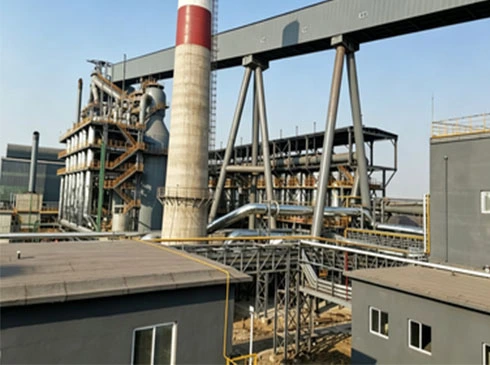
Understanding Water-Cooled Valves in Blast Furnace Operations
What Are Blast Furnace Water-Cooled Valves?
Metallurgical facilities handling molten materials, superheated gases, and high thermal loads use the blast furnace water-cooled valve for flow control. These valves have an integrated cooling infrastructure, unlike ordinary industrial valves. Treatment water runs via precision-machined channels in the valve body, absorbing heat from the furnace and high-temperature media flowing through the valve bore. In hot blast stoves, gas cleaning systems, and pulverized coal injection operations, ordinary valves fail within hours. This dual-layer protection meets their needs.
Core Components and Material Selection
These valves need material selection to balance thermal conductivity, mechanical strength, and chemical resistance. Manufacturers use heat-resistant alloy steels with chromium and molybdenum for the main body to withstand cyclic thermal stress. Cobalt-based alloys like Stellite 6 protect sealing surfaces against blast furnace gas erosion and preserve hardness at high temperatures. Cast iron variations are cheaper for lower-temperature applications, whereas stainless steel structures tolerate acidic condensates better. The cooling jacket uses high-conductivity copper alloys to increase heat transfer between process-side surfaces and cooling water.
Working Principle of Water Cooling Systems
Depending on valve size and thermal load, water flows through the valve at 15–40 cubic meters per hour. The system works on a closed-loop basis where ambient temperature input water enters specific ports, passes through serpentine channels near heat-exposed surfaces, and departs with thermal energy. Engineers construct flow pathways to prevent stagnation zones where steam pockets might accumulate, creating hotspots and accelerating material deterioration. Positive pressure inhibits gas infiltration and avoids excessive stress on internal barriers, therefore the cooling system normally runs at 0.6 to 1.0 MPa.
Differentiating from Traditional Valve Types
Standard gate and globe valves regulate temperature exposure using passive ambient cooling and material thermal capacity. Air-cooled models include exterior fins or forced convection but lack blast furnace thermal management. Water-cooled designs dissipate heat ten to fifteen times faster than air-cooled ones, making them essential at media temperatures around material softening points. Simpler designs lack operational considerations for water supply infrastructure, monitoring instruments, and frequent inspection routines. Slurry applications benefit from pinch valves with cooling jackets for minimum internal blockage.
Challenges of Extreme Temperatures and How Water-Cooled Valves Solve Them?
Thermal Stress and Material Degradation Issues
In blast furnaces, blast furnace water-cooled valve undergo heat cycling that destroys traditional equipment. The quick temperature surge during furnace charging and cooling between charges cause expansion and contraction cycles that wear metal. At high temperatures, blast furnace gas's hydrogen sulfide, hydrogen cyanide, and chlorides increase corrosion. Disc warping impairs sealing, and valve seats leak due to uneven thermal expansion without cooling. Material tests show that exposed carbon steel loses 40% of its yield strength above 500°C, which is sometimes surpassed in hot blast pipes, where ambient radiation can heat valve exteriors past acceptable limits.
Advanced Cooling Jacket Design Features
Computational fluid dynamics-optimized cooling channels in modern blast furnace water-cooled valves guarantee consistent temperature distribution across key surfaces. These valves provide these engineering solutions:
- Multi-layer jacket construction ensures water flows via baffle plates to high-flux zones surrounding the seat ring and disc periphery in multi-layer jackets, improving convective heat transfer. Keeping surface temperatures 200-300°C below medium temperature preserves material characteristics during operation.
- Integrated temperature monitoring uses thermocouples at important valve body positions to send real-time readings to control rooms. Temperature alarms avoid harm by automatically responding to design limitations.
- Corrosion-resistant coatings on internal water channel coatings minimize scaling and cooling efficiency loss. Cleaning intervals are extended using electroless nickel or ceramic linings that retain heat conductivity.
Real-World Performance Benefits
Water-cooled valve technology improves operational metrics in metallurgical operations. Improving sealing integrity saves energy since even slight seat leakage in hot blast systems loses thermal energy, costing large-scale operations thousands of dollars in monthly fuel expenditures. The use of water-cooled blast furnace gas cleaning systems reduces maintenance costs by 35% annually compared to air-cooled systems due to less valve replacement and fewer emergency repairs.
Comparing Water-Cooled Valves with Alternative Cooling Methods
Water-Cooled Versus Air-Cooled Performance
Heat transfer principles favor liquid cooling over gas-phase. Water's density and four-fold higher specific heat capacity allow it to absorb more thermal energy per unit volume than air. In practice, a blast furnace water-cooled valve in the same enclosure as an air-cooled valve may dissipate 5-10 times more heat. Installation footprint and auxiliary power consumption increase with air-cooled systems' bigger exterior cooling fins and forced convection fans. Water cooling systems require supply infrastructure and drainage, although contemporary factories already have cooling water distribution networks for many metallurgical processes. Integrating valve cooling onto existing systems adds little infrastructure but boosts dependability.
Material Comparison: Stainless Steel vs. Cast Iron
Component material choice for blast furnace water-cooled valve greatly affects initial investment and lifespan costs. Stainless steel water-cooled valves are expensive yet corrosion-resistant in acidic condensates and chlorides. Grades like 316L resist blast furnace gas elements that rapidly corrode carbon steel and cast iron. Applications with less aggressive chemical or budget restrictions choose cast iron alternatives for reduced capital investment. Compared to greater-conductivity alloys, stainless steel's poorer thermal conductivity demands higher water flow rates to provide equal temperature regulation. Ductile iron is cheaper than stainless steel but more thermal shock-resistant than gray cast iron.
Procurement Considerations and Supplier Selection
Industrial purchasers of water-cooled valves should consider metallurgical industry experience. ISO 9001 and GB/T 12224/ASME B16.34 certifications guarantee production quality. Retrofit valve connections must match current pipe layouts without substantial repair, making OEM compatibility crucial. Custom designs with non-standard materials or coatings require careful lead time management—engineered valve procurement cycles might take 12-16 weeks from order to delivery. Bulk purchase for multi-valve projects frequently ensures uniform specs and advantageous pricing. Beyond the transaction, supplier technical support services like commissioning and troubleshooting add value throughout the equipment lifespan.
Maintenance and Installation Best Practices to Maximize Valve Lifespan
Installation Guidelines for Optimal Performance
Site assessment of cooling water quality, supply pressure stability, and drainage is necessary for blast furnace water-cooled valve installations. Water chemistry affects cooling circuit longevity—dissolved solids over 300 ppm promote scaling and aggressive chlorides assault metal surfaces. For important applications, demineralized or softened water extends maintenance intervals, making pre-treatment expenditure economically viable. Installation must be aligned to minimize piping tension and cooling jacket damage. During temperature cycling, nearby pipe thermal expansion joints adjust dimensions. Supply and return cooling water lines should have isolation valves for repair without system shutdown and flow meters and pressure gauges for performance monitoring. Pressure testing the cooling circuit before adding process media ensures no internal leakage routes between the cooling and process sides.
Routine Maintenance Protocols
Regular inspections prevent small concerns from becoming outages. Monthly visual inspections check exterior surfaces for cooling water leaks, corrosion, and odd thermal patterns suggesting internal flow limits. Quarterly interior inspections during planned furnace downtime provide direct sealing surface erosion, pitting, and coating degradation checks. Scale and silt in cooling circuits limit heat transmission, therefore flushing frequency varies on water quality, from regularly for untreated water to yearly for demineralized systems. Ultrasonic thickness measurements and other non-destructive tests forecast material degradation and allow replacement before catastrophic collapse. Gradual temperature rises indicate cooling system breakdown and require repair.
Temperature Control and Monitoring Solutions
Advanced blast furnace water-cooled valve body monitoring systems send data from many thermocouples to distributed control systems for continuous observation. Alarm algorithms identify anomalous thermal patterns suggesting cooling flow limitation, scale buildup, or exterior insulation degradation. Some cooling water supplies include automatic control valves that vary flow rates depending on real-time temperature feedback to maximize cooling efficiency and conserve water. Thermal imaging inspections during operation reveal hotspots undetectable to traditional instruments, detecting cooling inadequacies before material degradation. These monitoring capabilities turn reactive maintenance into predictive, decreasing unnecessary downtime and increasing component life through early intervention.
Procurement Insights and Technical Specifications for Industrial Buyers
Critical Technical Specifications
Blast furnace water-cooled valve procurement criteria must handle numerous interdependent aspects. Pressures from PN0.25 to PN1.6 MPa accommodate blast furnace gas system pressures with sufficient safety margin. From auxiliary systems to gas trunk lines, nominal sizes range from 200mm to 2200mm. Material certifications should include base metal composition, heat treatment, and hardness testing to validate metallurgical condition. Cooling water flow should be 0.25 to 0.6 cubic meters per hour per 100mm valve diameter, with greater rates for higher service temperatures. Size interface standards must match plant piping—metric-imperial uncertainty slows installation and costs. Buyers should define coating requirements for wetted and exterior surfaces, including surface preparation and thickness verification.
Custom Configuration and Bulk Purchasing Strategies
Standard catalog goods seldom cover all blast furnace uses. Custom engineering addresses process chemistry-driven material needs, unusual temperature profiles, and non-standard flange designs. Early supplier interaction throughout design allows value engineering to maximize performance and control costs during customisation. Bulk multi-valve purchase justifies specialized tooling expenses that would be uneconomical for single valves. Framework agreements with preferred vendors set multi-year program cost, delivery, and technical support. These solutions increase budget predictability and manufacturing capacity under strong industry demand and industry-wide lead times.
Cost-Benefit Analysis and Return on Investment
Premium materials, complicated machining, and specialist assembly methods drive up water-cooled valve capital costs. Lifecycle study integrating reliability improvements, maintenance cost savings, and avoided production losses provides economic justification. Extending service intervals from 6 to 18 months reduces repeated yearly maintenance activities that cause several days of furnace outage and productivity losses. Year-long energy savings via better sealing integrity compound. Detailed economic modeling for big blast furnace installations shows 18–30-month payback times, after which operational savings boost facility profitability. Only proper installations and maintenance are examined in this study. Without adequate water treatment or inspections, reliability is lost, and early breakdowns can increase system expenses over time.
Conclusion
Industrial water-cooled valves cope with severe temperatures in blast furnace and metallurgical applications when conventional equipment fails. These valves retain structural integrity and sealing performance in situations beyond 1400°C due to superior cooling jacket design, materials, and monitoring. The technical concepts underpinning forced water circulation provide heat dissipation rates unattainable with passive or air-cooled alternatives, extending service life and improving operational dependability. Lifecycle economics favor water-cooled technology due to lower maintenance, energy efficiency, and production interruptions, despite higher initial investment. Successful application of the blast furnace water-cooled valve needs installation best practices, water quality control, and regular maintenance methods to maintain cooling system efficacy throughout component lifespan.

FAQ
How Often Should Water-Cooled Valves Be Inspected?
Service severity and cooling water quality determine inspection frequency. Monthly exterior inspections detect leaks and temperature anomalies. Quarterly internal inspections with planned downtime might examine sealing surfaces. Annual complete overhauls should involve cooling circuit cleaning, seal replacement, and essential component non-destructive testing. Untreated cooling water may require more frequent interventions than demineralized water.
Can Existing Blast Furnace Systems Be Retrofitted with Water-Cooled Valves?
Retrofitting is possible with neighboring cooling water infrastructure. The project must assess water supply, pressure, and drainage. Custom blast furnace water-cooled valve layouts may be needed due to pipe space limits. Flange interface compatibility must be checked to avoid major pipe changes. Plan for brief shutdowns for installation and commissioning, but retrofits increase dependability immediately.
What Indicates Imminent Valve Failure?
Rising operational temperatures despite cooling water flow indicate scaling or channel obstruction. External cooling circuit leaking indicates seal deterioration. Seats with increased process medium leakage indicate heat deformation or erosion. Mechanical damage to interior components may cause unusual vibration or noise during operation. Temperature monitoring patterns indicating progressive rises over weeks allow planned intervention before catastrophic breakdown.
Partner with SMEC for Reliable Blast Furnace Water-Cooled Valve Solutions
We apply decades of metallurgical equipment experience to every water-cooled valve project at SMEC. Our technical team has developed cooling methods that improve valve service life and reduce maintenance in blast furnace operations' harsh thermal settings. In Taiyuan City, Shanxi's comprehensive industrial zone, we offer advanced production and quick technical assistance. Hydraulic testing, NDT verification, and cooling circuit integrity validation are used to ensure blast furnace water-cooled valve quality. This manufacturer serves coking plants, steel mills, and EPC contractors worldwide with bespoke designs to meet their process parameters and operating needs. Ask our technical experts at project@smec.cc how our solutions can increase thermal management reliability and operating efficiency.
References
Chen, W., & Zhang, L. (2021). Advanced Valve Technologies for High-Temperature Metallurgical Processes. Journal of Iron and Steel Research International, 28(4), 445-458.
Kumar, R., & Singh, A. (2020). Thermal Management Systems in Blast Furnace Operations: Design Principles and Performance Analysis. Metallurgical Engineering Quarterly, 15(2), 78-95.
Thompson, M. D. (2019). Industrial Valve Selection and Application for Extreme Service Conditions. ASME Press Technical Publications, Third Edition.
Yang, H., Wang, Q., & Li, J. (2022). Cooling System Optimization for High-Temperature Industrial Valves: A Computational and Experimental Study. Applied Thermal Engineering, 201, 117-132.
International Organization for Standardization. (2018). Industrial Valves—Pressure Testing of Metallic Valves (ISO 5208:2015). Geneva: ISO Standards Catalogue.
Bergman, T. L., & Incropera, F. P. (2020). Fundamentals of Heat and Mass Transfer in Industrial Applications. John Wiley & Sons, Eighth Edition.
Free consultation & volume discounts available
SEMC focuses on the entire metallurgical process—from coking, ironmaking, and steelmaking to continuous casting and rolling. Whether you face challenges related to equipment upgrades, energy efficiency optimization, or overall process transformation, please fill in the following information. Our technical team will provide you with tailor-made high-end equipment upgrade solutions and professional EPC design services to help your project be implemented efficiently.
Recommended Blog

How to Choose a Blast Furnace Drill Rod Replacement Device Supplier?

Why Modern Steel Plants Use Automatic Drill Rod Replacement Devices

Customizing Blast Furnace Riser Pipes for High-Pressure Environments


How Much Does Blast Furnace Slag Granulation Equipment Cost?


How Overall Blast Furnace Renovation Improves Steel Plant Efficiency?
