5 Key Factors When Buying Blast Furnace Water-Cooled Valves
Understanding the Core Function and Types of Blast Furnace Water-Cooled Valves
- Understanding the Core Function and Types of Blast Furnace Water-Cooled Valves
- Performance and Energy Efficiency Considerations
- Maintenance, Troubleshooting, and Lifespan Management
- Procurement Factors: Pricing, Suppliers, and Customization Options
- Making the Final Choice: Matching Valve Features to Your Operational Needs
- Conclusion
- FAQ
- Partner with SMEC for Reliable Blast Furnace Water-Cooled Valve Solutions
- References
To make a good blast furnace water-cooled valve purchase, understand your business demands. Ironmaking plant elements that handle extreme temperatures protect workers and save costly downtime. To select the optimal valve option, you must know about five essential things: valve kinds, how they operate, how well they perform, how to plan maintenance, how to discover credible suppliers, and how to match technical parameters to furnace demands. This article will outline each element so you can make an informed purchase decision that protects your business and maximizes ROI.
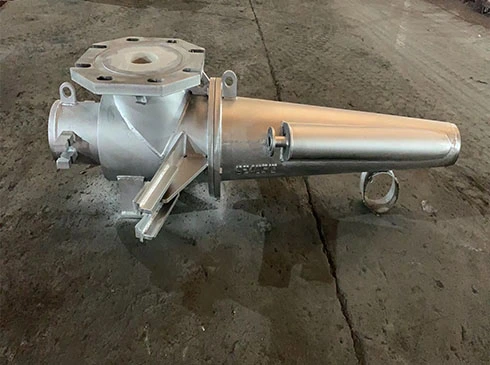
Understanding the Core Function and Types of Blast Furnace Water-Cooled Valves
Learn about blast furnace water-cooled valves' main purpose and kinds. Understand why blast furnace operations require water-cooled valves before diving into details. These valves control flow and survive in situations that would destroy industrial valves in hours.
What Sets Water-Cooled Valves Apart?
Why Are Water-Cooled Valves Different? A jacketed or pipe-based forced circulation system within a blast furnace water-cooled valve continually removes excessive temperatures. In hot blast stoves and gas cleaning systems, process temperatures can reach 1000°C to 1400°C, yet this cooling mechanism prevents valve disc and seat deformation. The design addresses three primary issues: hardware failure, uneven temperature expansion that causes leaks, and blast furnace gas's dust and chemicals. Water-cooled systems use forced movement to remove heat, whereas air-cooled systems use airflow and air temperature. This distinction is crucial when the firm is open 24/7 and loses money when the heater goes down. Air-cooled valves operate well in mild temperatures but can't withstand blast furnace temperatures.
Common Valve Types and Their Applications
Common Valves and Their Uses. Blast furnaces utilize globe, gate, and butterfly valves. Globe valves are ideal for fine-tuning gas and air flow in hot blast stove burning systems. Slowing down makes them ideal for fine-grained temperature control. Gate valves in blast furnace gas pipelines allow full-bore flow with minimum pressure loss when completely open. Their purpose is isolation. Their basic on-off feature works nicely when you need to stop the flow without regulating blast furnace water-cooled valves. Despite the roughness of coal dust, gate valves prevent mixing in powdered coal input systems. Small butterfly valves seal effectively for gas return systems and are a decent compromise. They're useful for backup gas lines and auxiliary cooling systems when precision isn't required because they're cheaper and smaller.
Material Considerations That Affect Longevity
Important lifespan factors. Valve longevity and maintenance cost depend on material choice. Heat-resistant alloy steels with molybdenum and chromium make good valve bodies. These steels don't rust and hold mechanical power at high temperatures. Even more extra attention is needed with closing surfaces. Stellite 6 and other cobalt-based metals resist particle-rich vapors exceeding 1000°C. Some stainless steels don't rust, however they're too weak for major closure surfaces at high temperatures. Specialized metals cost more upfront but last months to years between repairs, lowering total cost of ownership by a lot. Material considerations should include the valve body, seats, stems, and internal cooling channels. All these pieces must survive temperature cycles.
Performance and Energy Efficiency Considerations
Performance and Energy Efficiency Thoughts. Specs don't reveal everything. Whether a blast furnace water-cooled valve is stable or a maintenance burden relies on its real-world performance.
Critical Performance Metrics
Important Performance Measurements for blast furnace water-cooled valve. Flow control precision is crucial while maintaining air balance in a hot blast stove for burning. A valve that can't maintain flow rates generates temperature variations that waste fuel and stress refractory linings. Blast furnace gas includes deadly carbon monoxide, thus reliable sealing prevents energy waste and safety risks. Valve thermal resistance indicates how well it retains its form when heated and cooled. Every heater turnoff and on produces a thermal shock that can shatter fragile materials or distort sealing surfaces. Flexible materials and the proper design for cooling channels allow good water-cooled valves to expand and contract evenly and last thousands of temperature cycles.
Energy Efficiency and Operating Costs
Energy Savings and Running Costs. Water-cooled valve cooling water movement pumps consume energy, but they make the furnace more efficient. These valves prevent temperature distortion, tightening seals and reducing fugitive gas emission. Fewer gas leaks mean more energy consumed instead of lost to space. Despite requiring more power, water-cooled valves cut building costs by reducing energy usage. The furnace's pressure and temperature are maintained by a working valve, maximizing system performance. Instead, frequent valve failures and emergency shutdowns waste more energy than the cooling system needs. As valves last longer, they need to be replaced less often, saving energy. They last longer but are tougher to maintain since you have to monitor the cooling water quality and flow rate.
Maintenance, Troubleshooting, and Lifespan Management
Maintenance, repair, and lifespan management. To last, even the greatest blast furnace water-cooled valves need regular maintenance. Understanding typical failure mechanisms and taking preventative actions can safeguard your investment and reduce unwanted downtime.
Recognizing Common Failure Modes
Identifying Common Mistakes. Thermal riding wears down the seat, packing wear around the stem, or cooling jacket leaks. Rising process gas temperatures downstream of the valve frequently indicate a seat leak. Hot gas from the valve warms nearby pipes. Stem leaks emit visible emissions, whereas cooling jacket failures cause water in the gas stream or steam surrounding the valve body. Both interior and outer items corrode. Outside temperature fluctuations produce humidity, which rusts carbon steel. Corrosive sulfur molecules in blast furnace gas pit and seal surfaces. Regular valve inspections during scheduled repairs can detect early-stage corrosion before they fail.

Preventive Maintenance Protocols
Preventive maintenance protocols. Cooling water flow, internal channel cleanliness, and seal surface condition should be checked every 12–18 months. Scaling from poor water quality prevents cold air, exacerbating damage quicker. Demineralized water doesn't accumulate minerals, and flow checks ensure heat removal. The cooling system is tested at heater shutdown to ensure water pressure and flow are within acceptable limits. Even a brief cooling pause causes seat deformation in high-temperature conditions within minutes of water flow loss. When cooling fails, backup cooling systems or valves close automatically to prevent significant harm.
When Replacement Becomes Necessary
Replace blast furnace water-cooled valve as necessary. When replacing a valve, remaining life and failure risk are considered. Replace the seat if observable degradation exceeds the material's limitations. Using it beyond this will cause issues at critical production periods. When cooling jacket leaks can't be addressed without disassembling the unit, valve replacement is the only choice. Economic studies should compare valve replacement costs to repairs. When repair prices are 60% of replacement costs and fixes last a fraction as long as new valves, replacing them makes more sense. New valve designs can enhance efficiency, lowering working expenses. Valve replacement is more than basic maintenance—it's an operational improvement.
Procurement Factors: Pricing, Suppliers, and Customization Options
Prices, suppliers, and customisation are important when buying. Strategic buying requires knowing what makes blast furnace water-cooled valves cost what they do and finding sellers who add value beyond the sale.
Understanding Price Drivers
Know What Changes Prices. Valve prices depend most on material. Standard carbon steel bodies with basic seal materials are cheaper than alloy steel buildings with Stellite surface, but the luxury materials endure longer. Production costs depend on design complexity. Special forms that promote flow or cooling need precision cutting, which adds unit cost. Price and brand image can be related, but not necessarily with value. Established producers charge extra due to their track record and huge support team. However, talented local producers may typically achieve technical criteria at lower costs. This is especially true when personalizing the product matches your furnace's demands better than catalog alternatives.
Selecting Trusted Suppliers
Choosing Reliable Suppliers. Certifications indicate product quality. GB/T 12224 and metallurgy-specific standards demonstrate blast furnace utilization, while ISO 9001 certification demonstrates quality management. Ask for pressure testing, non-destructive examination, and measurement verification to ensure valves fulfill expectations. Production is vital when you require many valves for new installations or rapid replacements. Specialized mining equipment manufacturers store key parts, reducing wait times. Their technical staff knows application subtleties that generic valve producers don't, including the correct cooling channel size for gas temperature or control system actuator force. "Market presence" means "staying power" and "parts availability." Major steelmakers' suppliers have massive surplus components and experienced support networks. You may use this infrastructure to address performance issues or discover new components years after you acquired them.
Customization Advantages
Advantages of customization for blast furnace water-cooled valve. Stock valves may not fit your furnace's temperature range, pressure class, or mounting configuration. Customization covers these gaps and optimizes valve design for your work requirements. Manufacturers can adjust the cooling channel size to match your water pressure and flow rate or the actuator specs to operate with your control systems. Custom valves have longer lead times, therefore new installs or substantial overhauls must be scheduled. Makers can find the optimum solutions by discussing process temperature profiles, gas composition data, and cooling water variables early on. There may be a minimum order quantity for bulk orders, however production and pricing are prioritized.
Making the Final Choice: Matching Valve Features to Your Operational Needs
Final Choice: Matching Valve Features to Your Needs. To choose a blast furnace water-cooled valve that will survive for years at your facility, consider technical demands, budget constraints, and operational data.
Defining Decision Criteria
Choosing Decision Criteria. Valve size and flow rate depend on furnace size and work capacity. Undersized valves lower boiler pressure and reduce efficiency, whereas oversized valves cost more but offer less benefits. Matching the valve's nominal width to the pipe's specifications ensures proper flow and simplifies fitting. Operating conditions—highest temperature, pressure class, and gas makeup—determine material and design requirements. A valve designed for 1200°C will break before it should if your hot blast reaches 1350°C at peak output. Like sulfur-rich gas, materials must be even more rust-resistant. Your building's cooling demands depend on water availability and quality. High-efficiency cooling circuits manage temperature better but require more water flow and cleaner water. For buildings with less cooling water, you may require unique heat-flow designs or alternative cooling method.
Balancing Cost, Performance, and Maintenance
Cost, performance, and maintenance must balance. Cheap options are appealing because they cost less upfront, but the total cost of ownership shows the complete financial story. A 30% cheaper valve that needs to be changed twice as often costs more. Lifecycle costs—purchase price, installation, maintenance, and replacement—show the product's true value. How well the heater works and the result depend on performance. A temperature-controlled valve maximizes fuel efficiency and iron production. Better flow management pays for itself in less than a month through energy savings and product returns. Complexity of maintenance impacts budgets and downtime. Simpler designs with fewer wearable elements may save maintenance costs, but they may not operate as effectively. The abilities of your repair team and how they stock spare parts can help you determine if complicated designs are beneficial or problematic for support.
Securing Warranties and Support
Get Support and Warranties. Comprehensive warranties prevent early failures and demonstrate the manufacturer's confidence in the product. Basic security comes from 12- to 24-month warranties, although some manufacturers provide extended warranties for crucial purposes. Avoid surprises while trying to gain coverage by knowing the guarantee conditions, especially the portions that don't cover incorrect usage or maintenance. Support after the sale distinguishes outstanding vendors from transactional ones. Technical professionals that understand blast furnaces can assist locate the ideal valve settings or diagnose performance issues. Manufacturers provide on-site testing to ensure the equipment is properly installed and functioning to avoid early failure due to setup errors. Technical training for repair workers extends valve life and speeds up diagnosis. Your team will maximize valve performance if vendors provide repair paperwork, spare parts lists, and hands-on training sessions. We build long-term relationships where you get technical support and producers gain operating lessons to improve future products.
Conclusion
In conclusion. Technical criteria, operational demands, and cost must be considered while choosing a blast furnace water-cooled valve. Understanding valve types and materials will assist them work with your furnace. Performance measurements and energy economy show long-term expenses beyond the purchase price. Systematic maintenance can increase equipment life and save costly downtime. Find merchants with a track record, credentials, and good customer service to protect your investment. By matching the valves' characteristics to your demands and considering their lifetime costs, you may acquire dependable parts that improve furnace performance and productivity.
FAQ
Can cooling water quality really affect valve lifespan significantly?
Absolutely. Mineral scaling and biological development in cooling channels impede flow and cause hotspots due to poor water quality. Stress concentrations from thermal abnormalities break valve bodies and deform sealing surfaces. Demineralized or treated water avoids deposits, extending valve life by years with consistent cooling. Keep water quality monitored as part of your preventative maintenance protocol for blast furnace water-cooled valves.
What happens if the cooling system fails during operation?
Cooling system failure generates an emergency. Valve temperatures can surpass 1400°C without active heat removal. Valve bodies deform, seals deteriorate, and structural breakdown likely occur within minutes. Cooling flow monitors with automated valve closing for flow loss avoid catastrophic damage in quality systems. Never use water-cooled valves without cooling flow verification.
How do I know when valve replacement becomes necessary?
Several indications schedule replacement. Visible seat degradation beyond manufacturer requirements, growing leakage despite maintenance, and rising operating torque indicate valve weakness. When repair costs surpass 60% of replacement cost and service life is limited, replacement is cheaper. Replacement is needed for recurrent cooling jacket leaks or structural fissures, not interim fixes that risk operational failure.
Partner with SMEC for Reliable Blast Furnace Water-Cooled Valve Solutions
For dependable blast furnace water-cooled valves, contact SMEC. SMEC, part of Taiyuan Silian Heavy Industry Group, has made metallurgical equipment for decades. That knowledge goes into every blast furnace water-cooled valve we sell. Our 30 best engineers employ general knowledge and blast furnace experience to develop valves that meet your demands. We ship cooling system parts to US steel mills and coking plants from our 68,700-square-meter Taiyuan, Shanxi Province factory. These parts are heat-resistant and low-maintenance. As a trusted blast furnace water-cooled valve supplier, we offer comprehensive customization, thorough quality control that meets GB/T 12224 and ISO 9001 requirements, and fast, friendly service.
References
American Society of Mechanical Engineers. (2021). Valves - Flanged, Threaded, and Welding End: ASME B16.34-2020. New York: ASME Press.
Smith, J.R. & Williams, T.K. (2019). High-Temperature Valve Technology for Metallurgical Applications. Pittsburgh: Iron and Steel Society Publications.
International Organization for Standardization. (2020). Industrial Valves - General Requirements: ISO 5752:2020. Geneva: ISO Standards.
Chen, L., Rodriguez, M., & Anderson, P. (2022). "Thermal Management in Blast Furnace Gas Handling Systems." Journal of Iron and Steel Research International, 29(4), 612-628.
European Committee for Standardization. (2018). Industrial Valves - Pressure Testing of Metallic Valves: EN 12266-1:2018. Brussels: CEN Publications.
Thompson, R.D. (2020). Maintenance Best Practices for High-Temperature Industrial Valves. Chicago: Society of Maintenance and Reliability Professionals.
Free consultation & volume discounts available
SEMC focuses on the entire metallurgical process—from coking, ironmaking, and steelmaking to continuous casting and rolling. Whether you face challenges related to equipment upgrades, energy efficiency optimization, or overall process transformation, please fill in the following information. Our technical team will provide you with tailor-made high-end equipment upgrade solutions and professional EPC design services to help your project be implemented efficiently.
Recommended Blog

Comparing Different Types of Blast Furnace Tuyere Equipment


The Working Principle of Blast Furnace Water-Cooled Valves

Future of Steelmaking: AI-Powered Blast Furnace Tuyere Imaging Services


How to Choose the Right Partner for a Blast Furnace Modular Renovation Project?


Blast Furnace Tower Equipment: Modular vs Traditional Designs

How to Reduce Operating Costs of Three-Ring Cone Scrubbers