Key Factors When Selecting a Blast Furnace Gas Scrubber
Understanding Blast Furnace Gas Scrubbers: Overview and Working Principles
- Understanding Blast Furnace Gas Scrubbers: Overview and Working Principles
- Key Technical Specifications and Design Features to Consider
- Comparing Blast Furnace Gas Scrubber Options: Making the Right Choice
- Maintenance, Troubleshooting, and Longevity of Three-Ring Cone Scrubbers
- Procurement Guidance: How to Select a Reliable Supplier and Place Your Order?
- Conclusion
- FAQ
- Partner with SMEC for Advanced Blast Furnace Gas Scrubber Solutions
- References
To choose the right pollution control equipment, you have to find a balance between technical performance, following the rules, and operating efficiency. When looking at different ways to clean blast furnace gas, the blast furnace three-ring cone scrubber stands out as a high-tech choice that can adjust to changing gas amounts, change the pressure dynamically, and remove dust more effectively. This adjustable wet-type scrubber solves important operational problems like managing gas pressure inconsistently, high maintenance costs, and the need for ultra-clean gas downstream. Integrated steel mills, coking facilities, and engineering contractors looking for reliable, cost-effective emission control should all think about it.
Understanding Blast Furnace Gas Scrubbers: Overview and Working Principles
The Critical Role of Gas Scrubbing in Ironmaking
The gas that comes out of a blast furnace is very hot and full of particles, tar compounds, and toxic elements that can damage equipment further down the line and are against pollution standards. Scrubbing that works well saves engines, pipes, and combustion systems and makes sure that rules are followed. Traditional scrubbers often give up efficiency for ease of use, which causes delays during busy production times.
How Three-Ring Cone Scrubbers Operate?
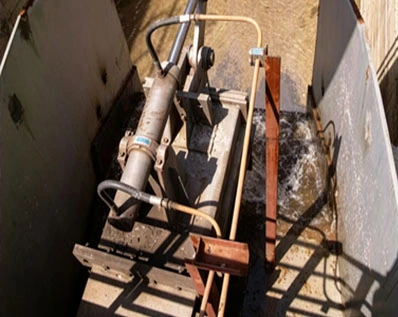
A blast furnace three-ring cone scrubber is made up of three rings that are all the same size and a center cone that can be moved up and down, making different-sized gaps between the rings. This changeable throat system lets you change the pressure in real time. A hydraulic actuator moves the cone to keep the differential pressure at the best level, even if the gas volume changes. As gas from the blast furnace moves through these gaps that get smaller and smaller, swirling zones form where water drops pick up dust particles that are less than one micron in size. The multi-stage contact makes scrubbing much more effective than single-stage designs, and the exit gas is clean below 5mg/Nm³.
Regulatory Compliance and Environmental Benefits
State-level pollution guidelines and strict EPA rules require particulate reduction that older cyclone or wet scrubbers can't always do. Blast furnace three-ring cone scrubbers have built-in dynamic pressure control that keeps the top pressure of the furnace stable when the load is moving or hanging. This stops pressure spikes that cause runaway emissions. We have seen facilities cut down on compliance violations by using technologies for adaptive scrubbing that react instantly to changes in the process.
Key Technical Specifications and Design Features to Consider
Material Engineering for Durability
The hard conditions inside blast furnace gas cleaning systems require materials that are very strong. Core parts are made of alloy steel that doesn't break down easily or 316L stainless steel that has Stellite or ceramic layers on top of it. High-speed streams of gritty dust can't damage these protected layers, and acidic condensates can't break them down either. The layer thickness usually meets HRC 55–62 hardness standards. This makes the cone assembly last three to five years longer, based on how rough the gas is.
The regularity of upkeep and the cost of running a business are directly affected by the choice of materials used. We suggest making sure that makers test all structural welds with ultrasound and radiographic non-destructive methods to make sure they don't leak under pressures of up to 150kPa. Extra safety is provided by hydrostatic pressure tests at 1.5 times the original pressure.
Operational Parameters and Capacity
Understanding the gas properties of your building will help you choose the right size cleaner. Blast furnace three-ring cone scrubbers can handle gas temperatures of up to 250°C and dust loads of 10 to 20g/Nm³ at the input. The water-to-gas ratio stays incredibly low at 0.3 to 0.6L/m³, which means less water is used and cleaning costs are lower. Precision pressure regulation to within ±2kPa lets you tightly control the top pressure of the furnace. This is especially important for blast furnaces with volumes greater than 2500m³, where stable pressure directly affects how well they work.
Design Innovations Enhancing Performance
New developments in engineering include laser-guided production for checking concentricity and making sure that there are regular annular gaps that stop high-velocity wear patterns in certain areas. Internal spray nozzles that clean themselves keep ring surfaces from scaling, which cuts down on repair downtime. Within 1.5 to 2 seconds, the hydraulic adjustment system reacts to changes in pressure, allowing the furnace to shift almost instantly to new conditions. These new ideas have led to measurable improvements in performance. For example, facilities report 15-20% less downtime due to repair and longer periods of operation between big overhauls.
Comparing Blast Furnace Gas Scrubber Options: Making the Right Choice
Performance Benchmarking Across Technologies
Before committing to a major investment, procurement teams often look at more than one type of scrubber. Cyclone scrubbers are easy to use, but they have trouble getting rid of fine particles and can't adapt to changing gas flows. Traditional fixed Venturi scrubbers get rid of dust pretty well, but they need steady amounts of gas because changes in volume either don't clean well enough or drop the pressure too much. Bag filters are great at capturing particles, but they can't work well with gases that are high in moisture and need to be replaced often.
The blast furnace three-ring cone scrubber fills in these gaps by removing particles very efficiently and changing the flow rate on the fly. It can get rid of more than 99.5% of dust particles bigger than 5 microns, and it can keep working even when the gas volume changes by 20 to 30 percent. This flexibility is very helpful in places where furnace load behavior makes gas generation patterns uncertain.
Total Cost of Ownership Analysis
Evaluating the costs of a cleaner goes beyond just thinking about buying one. Costs of doing business include things like water use, power needs for hydraulic systems, and staff for repairs. Blast furnace three-ring cone scrubber versions are good for the economy because they use less water and need less upkeep. Over-scrubbing during times of low flow wastes energy, but the precise pressure control stops that from happening.
When planning multi-furnace installations or phased building upgrades, bulk procurement methods can help you save money. When you involve providers early on in the planning process, you can get better customization and faster delivery times. We work with engineering firms to set up orders that meet both current needs and the possibility for growth in the future.
Maintenance, Troubleshooting, and Longevity of Three-Ring Cone Scrubbers
Establishing Effective Maintenance Protocols
Regular check plans keep scrubbers working well and stop them from breaking down without warning. Laser measurement tools should be used every three months to check the line of the concentricity and make sure that the circular gaps stay the same. The hydraulic actuator needs to be checked for position precision once a month; mistakes of more than 1% mean that the potential control system is losing its performance. Scaling problems can be avoided by keeping the amount of floating solids below 50 mg/L and checking the water hardness once a week.
Coating quality for blast furnace three-ring cone scrubber has a direct effect on how long a cone lasts. Ultrasonic thickness readings done once a year show how wear is progressing before significant material loss happens. When the coating width falls below what is required, re-coating can be done during planned shutdowns so that fixes don't have to be done right away. Building connections with licensed coating applicators guarantees good restoration work.
Common Operational Challenges and Solutions
Plant workers sometimes have trouble controlling the pressure when quick furnace events happen. This usually means that the hydraulic fluid is dirty or that the actuator seals are worn out. Fixing these parts will make response times normal again. When rings wear unevenly, it means there are problems with how the flow is distributed. These problems are usually fixed by changing the gas distribution baffles upstream. Too much water flowing into systems further down the line means that the demister isn't working right or the spray tip isn't lined up right. Both of these problems can be fixed with targeted maintenance.
Supplier Support and Warranty Considerations
Choosing makers that offer full after-sales service has a big effect on how reliable scrubbers are in the long run. In addition to replacing parts, warranties should cover expert assistance for improvement and troubleshooting. We give our clients thorough operating manuals, suggestions for replacement parts, and direct access to engineers who know how to work with their particular installation. This support system cuts down on downtime and makes sure that operators can get the most out of their tools for as long as it lasts.
Procurement Guidance: How to Select a Reliable Supplier and Place Your Order?
Evaluating Manufacturer Credentials
Quality and dependability are what set great providers apart from average ones. Check to see if the potential makers have ISO 9001 quality management certifications and build equipment that meets the requirements of ASME Section VIII for pressure vessels. When you visit a manufacturing facility, you can find out what kinds of things it can make. Look for advanced machining equipment, coating application facilities that are located inside the factory, and a full testing infrastructure that includes hydraulic test bays.
For customized uses, engineering detail is very important. Suppliers should keep design technology centers open with skilled engineers who can change standard designs to fit different plant layouts. SMEC has 168 engineering and technical staff, and 30 of them are top engineers who work directly with clients to make sure that the blast furnace three-ring cone scrubber specs are best for their blast furnace.
Understanding Customization Options
Standard cleaner designs work well for many uses, but sometimes specific needs call for the ability to be customized. Changes in gas volume, limited room, and the need to connect to existing infrastructure may mean that the measurements, materials, or control systems need to be changed. Before offering equipment specifics, reliable providers do thorough site assessments and gas composition analyses.
Before you place your order, you should carefully explain your gas flow rates, temperature ranges, particle traits, and emission goals in a technical question. During this time, clear communication keeps standards from not matching up. Coordinating production plans with installation windows is part of managing lead times. Customizations that are more complicated tend to extend delivery times but result in better-optimized equipment.
Post-Purchase Support and Installation Services
Full startup instructions make sure that the system is properly set up and works at its best right away. Suppliers should give thorough assembly plans, instructions on how to start up the machine, and expert help on-site during testing. Training plant workers on the best ways to run the business and do repairs will make the tools last longer.
Technical teamwork that lasts after the initial deal adds value. We keep in touch with foreign distributors and end users over a long period of time, reviewing performance and suggesting ways to improve things as working conditions change. This way of working together helps clients adjust to new rules and changing output needs.
Conclusion
When choosing a blast furnace gas cleaner, you need to carefully look at the technical specs, the needs of the business, and the supplier's abilities. The blast furnace three-ring cone scrubber has a lot of great benefits, such as dynamic pressure control, very good dust removal, and a lot of operating freedom. A good procurement process combines the need for instant performance with the need for long-term dependability, upkeep accessibility, and the quality of seller support. Procurement managers can make smart choices that improve emission control performance and lower the total cost of ownership by learning about material engineering, operating factors, and the strengths and weaknesses of different technologies.
FAQ
What operational advantages does the three-ring design provide over single-ring configurations?
The multiple ring structure makes clear swirling zones that greatly increase the surface area where gas and water can touch each other. When compared to single-ring designs, this improved relationship lets more dust be captured with fewer drops in pressure. The staged contact also makes the cleaning more consistent across different gas speeds, so it keeps working even when the load changes, which can happen with basic scrubbers.
How frequently should we schedule major maintenance interventions?
Routine checks should happen every three months, but the length of time between big maintenance tasks depends on how abrasive the gas is and how well the water is managed. Facilities that clean water properly and work within their design limits usually schedule full overhauls every 18 to 24 months. After three to five years, based on the quality of the coating and how it is used, the cone needs to be re-coated.
Can three-ring cone scrubbers accommodate our facility's specific gas composition requirements?
Customization options let you adapt to different gas properties. You can choose the right material, covering, and head size for different temperature ranges, types of particles, and amounts of corrosive elements. Giving a full gas analysis during the question step helps make sure that the specifications are correct.
Partner with SMEC for Advanced Blast Furnace Gas Scrubber Solutions
As a part of Taiyuan Silian Heavy Industry Group, SMEC has a track record of success in controlling emissions. They combine 30 years of experience making high-quality coking equipment with the latest technology for making blast furnace three-ring cone scrubbers. Our production center in Taiyuan City is 68,700 square meters and has modern machining tools, a full testing system, and research institutes that work with top universities. We offer full solutions to coking plants, integrated steel mills, and EPC companies in the US and around the world, from the initial design advice to installation support and long-term service after the sale. Get in touch with our engineering team at project@smec.cc right away to talk about your emission control needs. As a reputable manufacturer of blast furnace three-ring cone scrubbers, we offer customized technical specifications, competitive project quotes, and a reliable partnership that lasts the entire lifecycle of your equipment.
References
Chen, Y., & Wang, H. (2021). "Advanced Wet Scrubbing Technologies for Blast Furnace Gas Treatment: Design Principles and Operational Performance." Journal of Iron and Steel Research International, 28(4), 445-458.
American Society of Mechanical Engineers. (2019). "ASME Boiler and Pressure Vessel Code, Section VIII: Rules for Construction of Pressure Vessels." ASME Standards Committee.
U.S. Environmental Protection Agency. (2020). "Emission Control Technologies for Iron and Steel Manufacturing: Best Available Control Technology Guidelines." EPA Office of Air Quality Planning and Standards.
Nakamura, T., & Schmidt, P. (2022). "Comparative Analysis of Gas Cleaning Systems in Modern Blast Furnace Operations." Metallurgical and Materials Transactions B, 53(2), 892-906.
International Organization for Standardization. (2018). "ISO 9001:2015 Quality Management Systems: Requirements for Industrial Equipment Manufacturing." ISO Technical Committee 176.
Liu, J., Anderson, M., & Rodriguez, C. (2023). "Dynamic Pressure Control in Blast Furnace Gas Scrubbing: Engineering Solutions for Variable Load Operations." Ironmaking & Steelmaking: Processes, Products and Applications, 50(3), 312-328.
Free consultation & volume discounts available
SEMC focuses on the entire metallurgical process—from coking, ironmaking, and steelmaking to continuous casting and rolling. Whether you face challenges related to equipment upgrades, energy efficiency optimization, or overall process transformation, please fill in the following information. Our technical team will provide you with tailor-made high-end equipment upgrade solutions and professional EPC design services to help your project be implemented efficiently.