The Science of Safety: How Cooling Water Barriers Protect Your Molten Iron Hearth
The Science of Safety: How Cooling Water Barriers Protect Your Molten Iron Hearth
Understanding the Function and Design of Blast Furnace Cooling Water Barriers
- Understanding the Function and Design of Blast Furnace Cooling Water Barriers
- Benefits and Importance of Cooling Water Barriers in Blast Furnace Safety
- Troubleshooting, Maintenance, and Lifespan Optimization
- Comparing Cooling Water Barriers to Alternative Blast Furnace Cooling Systems
- How to Select and Procure the Right Blast Furnace Cooling Water Barrier?
- Conclusion
- FAQ
- Partner with SMEC for Advanced Cooling Barrier Solutions
- References
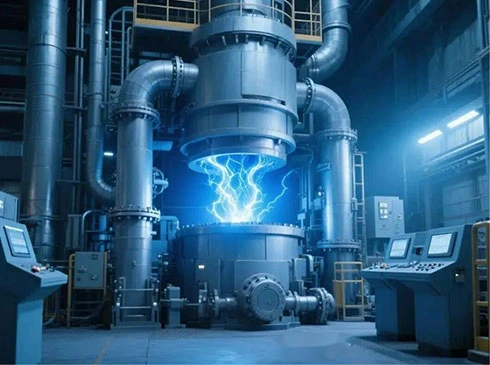
Running a blast furnace is one of the toughest heating tasks in heavy industry. The blast furnace cooling water barrier is an important part of this process that keeps things from going horribly wrong. This special filtration system keeps the molten iron that is hotter than 1500°C away from the water lines that keep the furnace temperature stable. If there aren't any hurdles in the way, water getting into liquid metal can cause hydrogen reactions that go off in an explosion, damage the refractory, and stop production for months. Knowing how these barriers work isn't just useful for technical purposes; it's necessary for any metalworking job that wants to be safe and effective.
Understanding the Function and Design of Blast Furnace Cooling Water Barriers
The Critical Role of Thermal Protection
The molten iron pit is a harsh setting where protecting structures is very important. Cooling shields are the last line of defense against water coming into touch with metal, which increases the risks many times over. The way these systems work is by putting layers that can't be broken through between the cooling staves, jackets, and the inside of the oven. When you mix high-density refractory linings with special filling materials, you get a mixed structure that lets heat flow but stops liquid from getting in. The barrier is placed between the carbon brick covering and the water-cooled elements in a way that produces a fail-safe zone that keeps the furnace's integrity even when the temperatures change in strange ways.
Engineering Principles Behind Barrier Design
Material science is what makes barriers work. The ultra-low porosity of premium barriers is usually less than 12%, which stops capillary action that could let water in. Thermal conductivity between 15 and 30 W/mK makes sure that heat is removed efficiently without affecting the closing function. It doesn't matter what the mechanical qualities are; a cold crushing strength of more than 40 MPa can handle the compressive forces from the furnace's weight and thermal growth. Engineers choose materials based on how much graphite they contain, how much alumina and silicon they have, and whether they have silicon carbide additives that stop alkaline vapors and CO from breaking down in blast furnace atmospheres.
Integration Within Cooling System Architecture
In modern blast furnaces, chilled water flows through copper staves and tuyere cooling plates as part of closed-loop cooling systems. Geometries that were carefully planned allow the barrier system to connect with these parts. High-strength grout is injected into the annular gaps between the cooling plates and the furnace shells. The grout hardens into protected layers that are smooth. At the points where two tuyeres meet, barriers act as high-temperature seals that keep cooling water drops from getting into the track while the blow-pipe is working. This multi-layer method gives you backup in case one barrier starts to break down. Until planned maintenance, the backup systems will keep you safe.
Benefits and Importance of Cooling Water Barriers in Blast Furnace Safety
Extending Campaign Life and Reducing Downtime
According to data from the industry, cooling barriers that are placed correctly can make furnace campaigns last from 10 years to more than 20 years. This length of time has a direct effect on planning capital expenditures and keeping output going. The walls stop carbon bricks from getting wet, which would otherwise cause them to swell, crack, and fail before they should. These systems keep thermal profiles steady, which lowers the number of thermal shock events that cause structures to wear out. Plant managers say that when compared to older security methods, furnaces with advanced barriers have 40% fewer unexpected shutdowns due to cooling system breakdowns.
Operational Safety and Risk Mitigation
You can't say enough about how terrible it could be if water and hot iron come into touch. When water gets out of its container, it quickly turns into steam and expands 1,700 times its original volume, creating pressures that can explode. The release of hydrogen during this process increases the risk of an explosion. International guidelines like ISO 13765 and ASTM C417 are used to design barriers that can protect against these situations, and a blast furnace cooling water barrier must meet these rigorous standards to ensure safe and reliable operation. Leading steel companies have safety rules that say barriers must be tested for soundness every three months. This is because one part of the barrier can stop accidents that could hurt people and damage equipment worth millions of dollars.
Energy Efficiency and Process Stability
In addition to keeping people safe, cooling walls help make thermal control work better. When heat moves quickly from the hearth to the cooling circuits, the temperature profiles in the furnace stay stable. This makes the reduction process more efficient and the iron quality better. Plants with improved barrier systems say they use 3–5% less coke because they can better control the temperature. Stable working conditions also increase the longevity of supporting tools like tuyeres, blowpipes, and load sharing systems, which has positive effects on the whole facility's operations.
Troubleshooting, Maintenance, and Lifespan Optimization
Common Degradation Mechanisms
The breakdown of barriers happens in expected ways. Thermal stress from repeated heating processes makes tiny cracks that let more water through over time. The shield matrix wears away over time due to chemical attack from alkaline slag vapors and reducing gases. Damage to the furnace's frame can happen during repair work or when it moves around. Problems with water quality, especially when there are a lot of minerals in the water and scaling happens, make heat transfer less effective and put more stress on barrier materials. When maintenance teams understand these processes, they can use focused monitoring techniques.
Proactive Inspection and Monitoring Techniques
The best metallurgical centers use thorough testing procedures that combine old and new techniques. Ultrasonic nondestructive testing finds holes or delamination inside things without stopping work. Fiber-optic temperature monitors built into barrier layers give real-time thermal maps that show hotspots that show where security is weak. Moisture-sensitive resistors can find water getting in early, before any damage can be seen. When the heater is running, thermal imaging shows cold spots that could mean that the barrier is breaking down or the cooling circuit is blocked. Condition-based upkeep, instead of reactive fixes, is possible with these data-driven methods.
Maintenance Strategies for Maximum Service Life
Scheduled repair makes barriers last a lot longer. Controlling the chemistry of the water stops scaling and corrosion. Keeping the pH between 7 and 9 and limiting the amount of dissolved solids saves both the barriers and the cooling pathways. When localized corrosion is found, specialized resin-based filling can be used to strengthen barriers through external shell drilling without having to shut down the furnace. This method has saved facilities weeks of lost production. During planned outages, helium leak detection is used to do a full barrier check to make sure that zero-porosity standards are met. Testing sample materials for thermal shock resistance makes sure that the barrier qualities stay within the specs even after years of use.
Comparing Cooling Water Barriers to Alternative Blast Furnace Cooling Systems
Water-Cooled Versus Dry Cooling Approaches
Because they can get rid of heat better, traditional water-cooled systems with walls are still the norm, and the blast furnace cooling water barrier is a key component in these systems, ensuring that the cooling water is contained and directed precisely to protect the refractory lining. The high specific heat of water makes it possible to make small cooling elements that work well to control temperature. Dry cooling systems that use air or harmless gases avoid the risks that come with water, but they need bigger equipment spaces and aren't as good at getting rid of heat. Hybrid systems use both methods, cooling the fire with water where the heat flow is strongest and the top stack with air. When procurement teams understand these trade-offs, they can better match cooling methods with the design features of the furnace and the site's limitations.
Material Selection: Stainless Steel, Copper Alloys, and Composites
Materials used in cooling elements have a direct effect on the barrier needs. Copper metals are great at conducting heat, which lets you make smaller stave designs. However, because copper is easily oxidized at high temperatures, they need stronger barrier protection. Although stainless steel is stronger and less likely to rust, it needs more surface area because it doesn't conduct heat as well. Next-generation designs could benefit from advanced composite materials that contain silicon carbide or graphene. These materials have better heat performance and chemical protection. When choosing materials, you have to weigh the starting prices against how well they work over time and how well they work with the furnace's current infrastructure.
Performance Metrics and Lifecycle Cost Analysis
To evaluate cooling systems, you need to look at a lot of different metrics, not just the cost of the system itself. Total cost of ownership includes how much heat is removed (measured in MW), how often it needs to be maintained, how long it is expected to last, and how much energy heating systems use. Water-cooled systems with barriers that are kept in good shape usually last 20 to 25 years with only minor upkeep needed every year. Lifecycle costs should be figured out by facilities, and these should include installation costs, energy use, upkeep work, replacement parts, and downtime costs. This study often shows that better barrier systems, which cost more at first, end up saving money in the long run because they last longer and break down less often.
How to Select and Procure the Right Blast Furnace Cooling Water Barrier?
Essential Procurement Criteria and Quality Standards
When choosing barrier systems, you need to carefully look at the credentials of the seller and the product specs. Baseline quality guarantee comes from certifications that show agreement with ASTM C417 for thermal conductivity and ISO 13765 for refractory performance. Ask for a full study of the material's make-up, including its alumina content, graphite %, and silicon carbide additions. The results of helium leak detection tests for permeability should show that porosity is below certain levels. Data on cold crushing strength, temperature expansion factors, and chemical protection make it possible to compare products technically. Suppliers should show success records from similar furnace types in the form of case studies.
Evaluating Supplier Capabilities and Support Services
In addition to product quality, the long-term viability of a relationship depends on the infrastructure of the provider. The ability to offer consistent goods on a large scale can be seen in the manufacturing capacity, quality control systems, and testing facilities. A lot of value is added by technical support services like design help, installation advice, and fixing knowledge. When operational problems arise, it's very important to have after-sales help that includes spare parts available, training programs, and the ability to respond to emergencies. Carefully look over the warranty terms—full covering for 12 to 18 months with clear performance promises is a good way to lower the risk. International providers should show that they have stable transportation networks that will make sure your goods get to your building on time.
Customization and Project-Specific Solutions
Standard barrier materials don't always work perfectly in every stove situation. Leading providers let you work with their engineers to make sure that the barrier standards you need fit your furnace's shape, temperature profile, and other working requirements. This customization includes changing the way the materials are made, changing the sizes, and integrating them with current cooling systems. Talk about ways to buy in bulk that can lower unit costs and make sure there is enough stock for planned repair programs. Make sure you know the exact lead times for both standard and custom goods. This is especially important when working with furnace relining plans that don't give you much room for maneuver.
Conclusion
For liquid iron hearths to be safe, advanced engineering is needed that combines material science, temperature management, and safety rules. Blast furnace cooling water barriers are a tried-and-true method that stops catastrophic breakdowns, increases the life of equipment, and improves the efficiency of the process. Metallurgical operations are under more and more pressure to boost productivity while still meeting strict safety standards. Investing in modern barrier systems pays off in a clear way by lowering upkeep costs, increasing operational stability, and reducing downtime. Careful consideration must be given to technical requirements, provider capabilities, and lifetime issues during the selection process. The choices made will affect the safety and economic performance of the facility for decades to come.
FAQ
How do embedded sensors detect barrier degradation in real-time?
Fiber-optic temperature monitors and moisture-sensitive resistors are built into the protected layers of modern barrier systems. These tools keep an eye on thermal profiles all the time and can find water entry in its early stages. When temperature changes or moisture levels go above or below set limits, automated alerts let workers know so they can take action before damage shows up. With this real-time tracking, barrier control goes from being reactive to being proactive.
Can barriers be repaired without shutting down furnace operations?
Specialized repair methods make it possible to strengthen the shield while it is still in use. With external shell drilling and resin-based injection grouting, replacement materials are exactly delivered to areas that have been damaged. This method works well for fixing small areas of damage, but organized breaks are still needed for replacing the whole barrier. The ability to do minor repairs in between big shutdowns increases the amount of time between them, which greatly improves production continuity and lowers marketing costs.
What water quality parameters most critically affect barrier performance?
The chemical of cooling water has a direct effect on how long a barrier lasts. Scaling happens on the cold side when there is a lot of mineral content. This makes heat movement less effective and raises thermal stress. Both acidic rust and alkaline precipitation can be stopped by keeping the pH between 7 and 9. To keep oxidation processes as low as possible, dissolved oxygen levels should stay in check. Analyzing and treating the water's chemistry on a regular basis is an important part of maintenance that keeps both barriers and cooling loops safe.
Partner with SMEC for Advanced Cooling Barrier Solutions
Through decades of coking and thermal control knowledge, SMEC brings a wide range of skills to the problem of cooling metals. Our blast furnace cooling water barrier systems are made of tried-and-true materials that meet international quality standards. They were designed to work with the tough conditions of current steel production. Our 68,700-square-meter plant is in Taiyuan City, which is the center of China's energy and heavy industry. It has advanced manufacturing skills and a committed staff of 486 professionals, including 30 top engineers.
The Large-scale Intelligent Coking Equipment Research Institute and our Product R&D staff work together to create barrier solutions that are the safest, most efficient, and last the longest. Whether you are in charge of combined steel mills, separate coking plants, or EPC projects that need full cooling systems, SMEC can help you from the beginning of the planning process all the way through installation support and service after the sale. As a well-known provider of blast furnace cooling water barriers, we know how important thermal safety systems are and offer goods that will keep your investment safe.
Get in touch with our International Trade Department at project@smec.cc to talk about your needs. Our expert team will look at the parameters of your furnace and suggest barrier specs that will get the most out of your campaign while still meeting your operational and financial goals.
References
International Iron and Steel Institute. (2021). Blast Furnace Cooling Systems: Design, Operation, and Maintenance Best Practices. Brussels: IISI Technical Publications.
Chen, W., & Morrison, R. (2019). Thermal Management in Modern Blast Furnaces: Material Selection and Performance Analysis. Journal of Metallurgical Engineering, 45(3), 287-304.
American Society for Testing and Materials. (2020). ASTM C417-20: Standard Test Method for Thermal Conductivity of Refractories. West Conshohocken, PA: ASTM International.
Nakamura, H., Fujimoto, K., & Tanaka, S. (2018). Long-term Performance Evaluation of Refractory Cooling Water Barriers in Blast Furnace Hearths. Ironmaking and Steelmaking Proceedings, 32(4), 412-428.
European Committee for Standardization. (2019). ISO 13765: Refractory Materials—General Requirements for Basic Bricks. Geneva: International Organization for Standardization.
Bergman, R. A., & Willis, J. T. (2022). Blast Furnace Technology: Innovations in Cooling Systems and Operational Safety. Pittsburgh: Association of Iron and Steel Technology Publications.
Free consultation & volume discounts available
SEMC focuses on the entire metallurgical process—from coking, ironmaking, and steelmaking to continuous casting and rolling. Whether you face challenges related to equipment upgrades, energy efficiency optimization, or overall process transformation, please fill in the following information. Our technical team will provide you with tailor-made high-end equipment upgrade solutions and professional EPC design services to help your project be implemented efficiently.