What Are the Benefits of a Blast Furnace Cast Iron Cooling Wall?
Understanding Blast Furnace Cast Iron Cooling Walls
- Understanding Blast Furnace Cast Iron Cooling Walls
- Key Benefits of Using Cast Iron Cooling Walls in Blast Furnaces
- Comparing Cast Iron Cooling Walls to Alternative Materials
- Maintenance and Inspection of Cast Iron Cooling Walls
- Procurement Considerations for Blast Furnace Cast Iron Cooling Walls
- Conclusion
- FAQ
- Partner with SMEC for Advanced Blast Furnace Cast Iron Cooling Wall Solutions
- References
A blast furnace cast iron cooling wall changes the way modern metallurgical operations are done by keeping the furnace shell safe from high temperature stress, increasing campaign life by 30 to 50 percent, and lowering refractory consumption by creating a stable protective slag skin. These heat-exchange parts take in the huge amount of heat that is created during smelting. This keeps the shell from deforming too soon and keeps the system working well in tough thermochemical conditions. Blast furnace cast iron cooling walls are the standard for integrated steel mills, coking plants, and furnace upgrade projects that want to be reliable and save money. They do this by mixing excellent thermal conductivity with exceptional mechanical sturdiness.
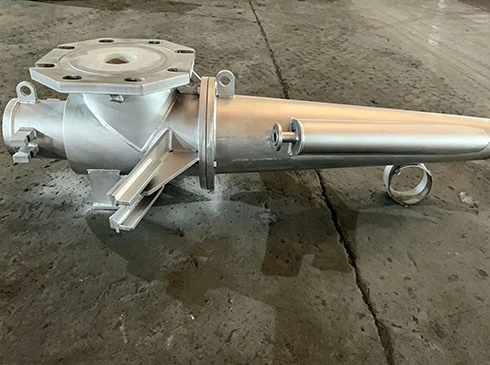
Understanding Blast Furnace Cast Iron Cooling Walls
If you use a blast furnace without proper heat safety, it's like driving without brakes—eventually, something terrible happens. A blast furnace cast iron cooling wall keeps temperatures that regularly reach 1000°C during continuous casting operations at a safe level between the outer steel shell and the inner refractory lining.
How Cast Iron Cooling Walls Function?
These parts work with the help of a complex heat-exchange system. Coolant flows through seamless steel lines that are inserted into the cast iron body. This forms a metal link that can withstand large differences in temperature expansion. The cooling system takes in the intense heat from the liquid iron, slag, and rising gases and moves it away from the furnace structures that are more likely to break. This managed thermal management keeps the vital 1150°C isotherm in the refractory brick layer. This stops molten iron from getting through and lets a protective slag skin form naturally on the hot face.
Material Science Behind Cast Iron Selection
Nodular cast iron grades like QT400-18 or QT450-10 are used in modern blast furnace cast iron cooling walls. These grades have tensile strengths above 400 MPa and bending rates above 10%. This material choice wasn't made at random; cast iron has a thermal conductivity range of 35–42 W/(m·K), which makes it the best choice for a mix between structural stability and heat dissipation efficiency. Nodular iron is not easily broken like other materials because it can handle thermal shock and high-temperature creep. It can keep its shape even when heated and cooled over and over again, which would break other materials.
Critical Zones Requiring Cooling Wall Protection
Three areas with a lot of stress need strong cooling options. The largest heat loads are on the furnace's bosh and belly, where falling raw materials cause severe mechanical wear and rising gases cause chemical wear. The bottom and middle parts of the stack are under both thermal and physical stress from the moving of the load. For long-lasting furnace designs, the floor and bottom need to be precisely cooled so that melted iron doesn't leak out. This is why separate cooling loops are so important.
Key Benefits of Using Cast Iron Cooling Walls in Blast Furnaces
There is always one question that comes up when we talk about industrial equipment: what real value does this technology bring to our bottom line? A blast furnace cast iron cooling wall is the clear winner in a number of performance areas that matter to plant managers and buying teams.
Extended Furnace Campaign Life
Campaign life is the amount of time that a furnace can be used before it needs to be relined, and blast furnace cast iron cooling walls usually make this run longer than the usual 8–10 years, up to 15 years or more. This increase happens because the cooling system stops the gradual loss of heat that causes the system to shut down too soon. By keeping the refractory temperatures steady and adding that protective slag layer, the walls protect weak spots from the constant heat that would otherwise destroy the steel shell and burn through the brick linings. Plant managers always say that furnaces with properly built cooling walls need fewer emergency fixes and have more consistent maintenance plans.
Superior Heat Dissipation Performance
How well a furnace keeps the right burning temperatures without overheating its parts is called its thermal control efficiency. Blast furnace cast iron cooling walls work really well in this case because they are designed to quickly move heat from inside the furnace to the coolant that is moving around. This performance means stable hot blast temperatures, consistent iron quality, and less heat stress on equipment nearby. Independent tests show that nodular cast iron walls can handle heat flux densities of more than 400,000 kcal/m²·h while keeping the shell temperature below 300°C, which is a very important safety limit for ongoing operations.
Reduced Total Cost of Ownership
The economics of lifecycles favor blast furnace cast iron cooling walls a lot. Initial purchase costs change depending on how customized the product needs to be, but the long-term financial picture is very good. Compared to other materials, it doesn't need much maintenance. It only needs to be inspected every so often and the cooling system checked regularly, instead of having parts replaced often. When cooling walls stop unexpected breakdowns, downtime costs go down a lot. This is especially true in settings where production is ongoing. When temperatures stay stable, energy efficiency goes up, which helps running margins even more. And when campaign life doubles, the cost per ton of iron created drops by a huge amount.
Enhanced Environmental Compliance
Emission rules for modern metalworking operations are getting stricter, and cooling wall technology helps them follow the rules in a number of ways. Stable furnace temperatures make burning more efficient, which lowers CO and particle pollution. Better heat control reduces the production of dioxins and other dangerous byproducts that happen when temperatures change. Because the refractory lasts longer, used furnace linings don't have to be thrown away as often, which is better for the environment because it means less toxic garbage has to be handled. Steel companies that want to get sustainability certifications find that changing to more modern cooling wall systems helps them show that they are always making the environment better.
Comparing Cast Iron Cooling Walls to Alternative Materials
Choosing the right materials has a big effect on how well the furnace works in the long run, but it can be hard to make a choice when different sellers make claims that are at odds with each other. When you look at the two sides side by side, you can see why the blast furnace cast iron cooling wall is still the best choice for most uses, even though there are other options.
Cast Iron Versus Copper Cooling Systems
It sounds good that copper cooling plates have a better heat conductivity—about 380 W/(m·K) compared to 35–42 W/(m·K) for a blast furnace cast iron cooling wall—but there are other factors that come into play that make this less appealing. Copper's better heat transfer isn't as important when you realize that cooling flow rates and temperature differences, not material conductivity alone, limit how much heat can be removed. More importantly, copper's mechanical qualities make it hard to work with: its melting point is lower (1085°C compared to 1200°C+ for cast iron), it expands more when heated, which puts stress on connections, and it is easily worn down by slag and iron drops. It's harder to keep up with maintenance on copper systems because they need to be inspected and replaced more often, and they cost three to five times more to buy than similar cast iron setups.
Cast Iron Versus Ceramic Solutions
Engineers who want the best temperature protection like blast furnace cast iron cooling wall ceramic cooling walls, and these materials can handle very high temperatures without breaking down. The trade-offs show up in how well it works mechanically and how useful it is. Because ceramics are flimsy, they can break easily when hit by something hard or when they are suddenly heated or cooled. This is especially likely to happen when heavy materials fall through the oven. To avoid damage, installation requires special skills and careful handling, which adds to the costs and time of the project. Regarding serviceability, fixing a broken ceramic panel usually takes a long time while the burner is off, but cast iron parts can be patched or changed more quickly.
Performance-Cost Balance Assessment
For most blast furnace uses, blast furnace cast iron cooling walls are in the best spot on the performance-cost curve. They have good thermal conductivity for managing heat well, great mechanical strength to handle working stresses, and long-lasting resilience that makes maintenance times longer. Because manufacturing is flexible, shell configurations can be changed to fit improvement projects without having to make expensive structure changes. There is trust that performance claims are based on real-world results, not just theoretical skills, because thousands of furnaces have been installed around the world.
Maintenance and Inspection of Cast Iron Cooling Walls
Routine maintenance is needed for even the toughest tools to work at its best. Updating and maintaining a blast furnace cast iron cooling wall is a doable task that pays off by preventing problems and improving performance.
Routine Inspection Protocols
Visual inspections done when the heater is turned off on a regular basis are the basis of good upkeep. Inspectors look at the hot face for wear patterns that don't make sense. They check to see if the protected slag skin is still in place or has worn away in some places. As part of a coolant side checkup, pipe connections are checked for leaks, flow rates through each cooling circuit are confirmed, and inlet-outlet temperature differences are tracked to see how well they absorb heat. Non-destructive testing methods, like ultrasound thickness measuring and thermal imaging, show what's going on inside a part without taking it apart. Setting up a three-month check schedule for working furnaces helps find problems early on.
Common Wear Patterns and Failure Modes
Most of the time, problems come up because of thermal cycles. Heating and cooling over and over again can cause tiny cracks to form in the blast furnace cast iron cooling wall body that spread. The hot face slowly wears down because of abrasion from materials falling off the stack, especially at the top where the speed of the materials is highest. The iron surface can be damaged by alkaline slags, but this risk is greatly reduced with good slag chemistry control. Failures of the coolant system, like clogged lines, low flow, or dirty water, are the most dangerous because they stop the system from removing heat, which could lead to catastrophic burning.
Preventative Maintenance Strategies
Keeping the right coolant chemical and flow rates and making sure each cooling circuit works within its design limits are the first steps to extending service life. Protective layers that are put on during production make things less vulnerable to chemical attack at first, and they are reapplied during big furnace campaigns to make this protection even stronger. Fixing small surface damage as soon as it happens keeps small problems from getting worse and turning into big structure problems. Keeping correct working records, such as temperature profiles, coolant flow data, and inspection results, is important for finding trends in performance degradation. Plants that follow strict preventative maintenance schedules always get more than 15 years of service life.
Procurement Considerations for Blast Furnace Cast Iron Cooling Walls
Choosing the right blast furnace cast iron cooling wall supplier will determine whether your purchase lasts for decades without breaking down or becomes a constant source of stress. During the buying process, you need to think about more than just the original price.
Evaluating Manufacturing Capabilities
The casting method itself is where quality starts. Reliable makers use cutting edge methods to make sure that the seamless steel pipes properly connect with the iron matrix around them. This gives the pipes the thermal and mechanical stability they need for harsh working conditions. Production facilities should show that they follow GB/T 1348 standards or foreign licenses that are the same or similar. They should do this by keeping records of the materials used, the limits for size, and the quality control methods they use. Ask potential providers about the testing methods they use. Reliable partners test cooling circuits under pressure, use spectroscopic analysis to check the composition of materials, and use coordinate measuring tools to check the sizes of parts.
Customization and Technical Support
When building a new furnace, standard blast furnace cast iron cooling wall designs work fine. But when remodeling an old one, they need to be carefully changed to fit the existing shell bolt patterns and size restrictions. A smooth retrofit can be the difference between an expensive nightmare in the field and a smooth upgrade with skilled engineering help. Check to see if the providers offer thorough CAD drawings, thermal modeling to help you create the best cooling circuit, and installation help from qualified technicians. If a seller lets you change the sizes, shapes, and arrangements of cooling pipes and mountings without imposing long lead times, that means they can actually do technical work.
Pricing Structures and Delivery Timelines
Clear pricing shows how much it really costs to make something plus a fair profit margin. Quotes that seem too low often mean that quality has been lowered or there are secret costs. Ask for thorough breakdowns that show how much the materials cost, how much it costs to make, how much it costs for testing and approval, and how much it costs to ship. The lead time is usually between 8 and 16 weeks, but it depends on how complicated the customization is and how many orders are placed. If you have a good relationship with your source, they may be able to speed up delivery for important projects. Volume price benefits become important for large orders, making it cheaper to buy everything at once instead of one at a time.
Conclusion
A blast furnace cast iron cooling wall is a tried-and-true technology that regularly provides reliable operations, longer equipment life, and good lifecycle economics in a wide range of industrial settings. Cast iron is the material of choice for most industrial projects because it is good at keeping heat in, remains strong over time, and is easy to keep up. Instead of just looking at the original price, procurement choices should focus on how well the supplier can manufacture, how well they can provide engineering support, and how likely they are to be a long-term partner. These cooling systems can protect furnace investments for 15 years or more if they are properly specified, professionally fitted, and regularly kept.
FAQ
What is the typical service life of cast iron cooling walls?
If you plan and take care of your blast furnace cast iron cooling wall properly, it should last between 12 and 18 years of constant blast furnace use. Service life rests on things like how hard the furnace is used, the chemistry of the slag, the quality of the cooling water, and how well you take care of it. The upper end of this range is usually reached by furnaces with modest production rates and preventative maintenance plans. Ultra-high-intensity smelting conditions may shorten lifespan a bit. Maintaining effective cooling throughout the component's life is the most important factor, as problems with the cooling system greatly speed up wear and tear.
Can cooling walls be customized for existing furnace configurations?
Of course. Customization is one of the best things about current blast furnace cast iron cooling wall technology, and it's especially useful when replacing furnaces. Manufacturers like SMEC can create cooling walls that fit in perfectly with existing structures based on the shell plans and bolt pattern specs you already have. Customization includes everything from the routing of cooling pipes to mounting arrangements, dimensional limits, and even material specs when specific qualities are needed for a certain working environment. This gives you the freedom to improve heat management without having to make expensive changes to the shell.
How do cast iron cooling walls compare to copper in practical applications?
Even though copper is a better heat conductor, a blast furnace cast iron cooling wall is still the better choice for most blast furnace uses. For practical reasons, cast iron is better than steel because it has higher melting points for safety, better mechanical strength to withstand impact, lower thermal expansion to reduce connection stress, and 60–70% lower purchase cost. Cast iron systems don't need much maintenance, but copper systems need to be inspected often and replaced earlier. Copper is only useful in places with very high heat flux, where its better conductivity makes up for the extra cost and upkeep needed.
Partner with SMEC for Advanced Blast Furnace Cast Iron Cooling Wall Solutions
SMEC, which is part of Taiyuan Silian Heavy Industry (Group) Co., Ltd., has 30 years of experience with metallurgical tools and can help you with your toughest heat management problems. Our engineering team has planned and built blast furnace cast iron cooling wall systems for blast furnaces that are 1000m³ to 5000m³ in size. We can make solutions that are exactly the right size and shape for your furnace and its needs. At our 68,700-square-meter factory in Taiyuan, China's heavy industry hub, we control quality from choosing the raw materials to the final pressure testing, making sure that every cooling wall meets strict performance standards. If you are a business looking for a reliable supplier, please email our technical team at project@smec.cc. Our 30 senior engineers are ready to talk about your needs and give you detailed technical proposals along with full after-sales support.
References
Peacey, J.G., and Davenport, W.G. (1979). The Iron Blast Furnace: Theory and Practice. Pergamon Press, Oxford.
Geerdes, M., Toxopeus, H., and van der Vliet, C. (2009). Modern Blast Furnace Ironmaking: An Introduction. IOS Press, Amsterdam.
Nightingale, R.J., and Kournetas, P.J. (1985). "Developments in Blast Furnace Cooling Systems." Iron and Steel Engineer, Vol. 62, No. 4, pp. 31-39.
Jiao, K., Zhang, J., Liu, Z., and Chen, C. (2016). "Thermal Analysis and Optimization of Blast Furnace Cooling Staves." Applied Thermal Engineering, Vol. 107, pp. 749-757.
Biswas, A.K. (1981). Principles of Blast Furnace Ironmaking: Theory and Practice. Cootha Publishing House, Brisbane.
International Iron and Steel Institute (1999). Blast Furnace Cooling System Design and Operation. IISI Technology Committee Report, Brussels.
Free consultation & volume discounts available
SEMC focuses on the entire metallurgical process—from coking, ironmaking, and steelmaking to continuous casting and rolling. Whether you face challenges related to equipment upgrades, energy efficiency optimization, or overall process transformation, please fill in the following information. Our technical team will provide you with tailor-made high-end equipment upgrade solutions and professional EPC design services to help your project be implemented efficiently.
Recommended Blog


Key Benefits of Choosing a Turnkey Blast Furnace Contractor


Future of Steelmaking: AI-Powered Blast Furnace Tuyere Imaging Services

Why Modern Steel Plants Use Automatic Drill Rod Replacement Devices

Best Materials for Blast Furnace Tuyere Equipment Explained

Key Considerations Before Starting a Blast Furnace Renovation

Common Problems in Three-Ring Cone Scrubbers and How to Fix Them
