Maintenance Tips for Blast Furnace Drill Rod Replacement Equipment
Understanding Blast Furnace Drill Rod Replacement Equipment
- Understanding Blast Furnace Drill Rod Replacement Equipment
- Essential Maintenance Tips for Blast Furnace Drill Rod Replacement Devices
- Troubleshooting and Problem-Solving for Drill Rod Replacement Equipment
- Safety Guidelines and Compliance in Maintenance Operations
- Selecting Maintenance Solutions and Partnering with Trusted Suppliers
- Conclusion
- FAQ
- Partner with SMEC for Reliable Blast Furnace Equipment Solutions
- References
Maintaining your blast furnace drill rod replacement device isn't just about keeping it from breaking down; it's also about keeping up production, keeping your workers safe, and getting the most out of your investment. Heavy drill rods are loaded, unloaded, and replaced automatically by these specialized mechanical systems in some of the harshest industrial settings you can think of. If you keep them in good shape, they greatly lower the risk of thermal damage, get rid of the need for long hand changeovers, and keep your tapping operations running smoothly through thousands of high-temperature cycles. At SMEC, we've witnessed how planned maintenance changes the uptime of machines and the safety of operations in steel mills around the world.
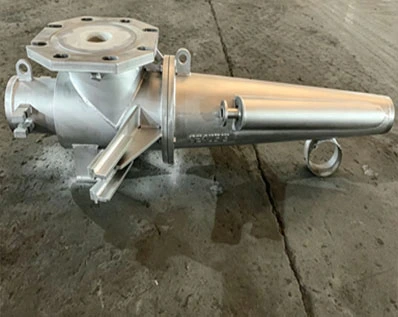
Understanding Blast Furnace Drill Rod Replacement Equipment
At every step of modern blast furnace operations, accuracy and dependability are needed. This is especially true during taphole drilling, where molten iron can hit temperatures of over 1,500°C. Over the past ten years, the blast furnace drill rod replacement device has changed a lot, making it easier for industrial plants to do important work that used to be hard to do.
Types and Operational Configurations
Different amounts of mechanization are needed for different sizes of production. Fully automated systems work with PLC control networks without any problems, and rod changes can be done without any help from a person in less than four minutes. This is a huge improvement over the 20–30 minute processes that were normal just a generation ago. Semi-automated setups are a good middle ground because they combine mechanical help with operator control. This is especially helpful for facilities that are slowly becoming more modern. Even though manual devices aren't used as much in new setups, they are still useful in some situations where cost is an issue or operating flexibility is important. Each configuration meets a different set of working needs, such as high-frequency tapping cycles in big integrated mills or emergency recovery situations where drill rods get stuck because slag has hardened.
Core Technical Features
Modern replacement parts usually work with hydraulic pressures between 16 and 32 MPa, which is strong enough to hold drill rods that weigh more than 200 kilograms in place. The building materials, which are usually Q345B high-strength alloy steels, can withstand temperatures above 500°C and don't rust when exposed to acidic furnace gases. Modern equipment architecture is based on the modular design theory, which lets repair teams swap out important parts without taking the whole system apart. Positioning accuracy is sub-millimeter, which makes sure that the drill bit and taphole are always lined up correctly. This level of technical complexity directly leads to less downtime and higher safety gaps.
Common Maintenance Challenges
When repair standards are broken, operators face problems that are expected and are very bad. High temperatures speed up the breakdown of hydraulic seals, which causes pressure drops that make tightening less reliable. The operation of a blast furnace always creates dust, which gets into mechanical parts and sensor housings and makes them work less reliably. Metal wear happens in structural parts that are heated and cooled over and over again. This is especially true at soldered joints that are exposed to this. Knowing about these problems is the first step in making preventative repair plans that work and keep people and equipment safe.
Essential Maintenance Tips for Blast Furnace Drill Rod Replacement Devices
Facilities that have 95% or more of their equipment available are different from those that are constantly dealing with unexpected equipment shutdowns. We have collected best practices that have been used in a number of different settings, from steel mills in North America to businesses in developing markets. Following a routine for the blast furnace drill rod replacement device ensures operational excellence.
Routine Inspection Protocols
At shift changes, there should be visual checks for blast furnace drill rod replacement device that look for clear signs of wear, hydraulic fluid leaks, and structural stability. Deep checks once a month take more time but find problems before they become major problems. During these checks, maintenance workers use dye penetrant tests on high-stress areas to see if cracks are spreading. They also look for scoring or pitting on the sides of hydraulic cylinder rods and make sure that all safety interlocks work properly. By writing down what was found during a check, you can see trends of wear and figure out when to replace parts. Plants that do a lot of tapping every day can benefit from inspection plans that make sure that all of the repair teams follow the same rules.
Lubrication and Cleaning Procedures
Proper lubrication greatly increases the life of parts while lowering the amount of energy they use. High-temperature greases made for metalworking should be put on pivot points, guide rails, and clamping mechanisms as directed by the maker, which is usually every 200 to 300 rounds of operation. When you clean something, you mostly get rid of the furnace dust and slag particles that get stuck between moving parts and wear them down. First, compressed air systems work well to get rid of dirt. Then, chemical cleaning is used to clean hydraulic parts. Setting up a lubrication routine that works with the production cycle makes sure that maintenance happens during planned breaks instead of having to happen when it's not supposed to.
Calibration and Alignment Verification
Over thousands of rounds, positioning accuracy slowly decreases, so it's important to do regular testing. Technicians make sure that the devices that hold drill rods in place close tightly around them. This keeps the stress from being distributed unevenly, which speeds up wear. Alignment checks make sure that the replacement device places the rods exactly along the drilling line. This keeps the bit from getting stuck or breaking too soon. Laser alignment tools offer accurate measurements good enough for current automated systems, and dial signs work well in semi-automated setups. Calibration frequency relies on how busy the facility is. Facilities that do 12 to 15 tapping rounds a day usually calibrate once a month, while facilities that do less work can wait until every three months.
Software and Control System Updates
Automated replacement devices depend on control software that changes as manufacturers release patches to fix problems found in the field and improve performance. When firmware is updated, it often comes with better problem detection algorithms, motion patterns that are smoother and less stressful on the parts, and better diagnostic tools. Keeping software up to date makes sure that it works with automation systems across the whole plant and gives you access to expert help from the manufacturer. As a best practice, you should back up your current settings and test them in a "dry run" before applying changes. This safety measure keeps production from stopping because of software problems.
Troubleshooting and Problem-Solving for Drill Rod Replacement Equipment
Even well-kept tools can have problems that need to be systematically diagnosed. Getting repair teams better at fixing the blast furnace drill rod replacement device cuts down on their need for outside service providers and speeds up the problem-solving process.
Diagnosing Hydraulic System Failures
Problems with hydraulics show up as slow actuator movement, not enough binding force, or the whole system not responding at all. The first step in a systematic diagnosis is to use a pressure gauge to take readings at key spots in the circuit and then compare those readings to the specs. Moving slowly usually means that the hydraulic fluid is dirty or that parts of the pump are breaking down. Total failure, on the other hand, means that there are problems with the electrical control or a catastrophic seal failure. Temperature readings show whether pumps are overheated or fluids are not cooling enough. Maintenance teams with basic hydraulic test tools can fix most problems without having to call in expert workers. This cuts response times from hours to minutes.
Addressing Mechanical Jamming and Misalignment
Drill rods in blast furnace drill rod replacement device can get stuck in replacement systems because of things like thermal growth, buildup of dirt, or worn guide surfaces. For safe settlement, you have to follow set processes that keep people from getting hurt or damaging equipment. When electricity systems go down, manual hydraulic bypass systems let you control the movement. Using penetrating oils gently along with carefully measured mechanical force can often free up parts that are stuck without damaging them. If the jamming keeps happening, it means there are alignment issues deeper down that need to be inspected carefully and maybe even replaced. Recording jamming events shows trends that point to changes that could be made to stop them.
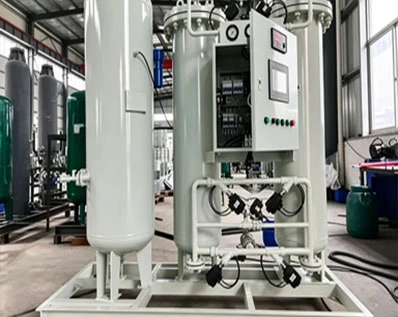
Electrical and Sensor Troubleshooting
A lot of sensors keep an eye on movement, pressure, temperature, and safety interlocks in modern automatic systems. When sensors fail, equipment stops working, keeping people safe in situations that could be dangerous. The first step in troubleshooting is to look at the diagnostic screens, which show which sensor caused the problem. The technicians then check the electrical links of the sensor, look for physical damage, and make sure it is mounted correctly. Having spare sensors on hand lets you change them quickly, which cuts down on downtime. Knowing how sensors work and what can go wrong with them helps repair staff tell the difference between real safety issues and fake alarms that mean the sensor needs to be replaced.
Safety Guidelines and Compliance in Maintenance Operations
When working on a blast furnace drill rod replacement device for maintenance, there are naturally a lot of risks that need to be managed carefully and in line with regulations.
Personal Protective Equipment Requirements
When working on drill rod replacement devices, people must wear clothing that is flame-resistant for the temperature, face shields that protect against radiant heat and possible hydraulic fluid spray, steel-toed boots with metatarsal guards, and cut-resistant gloves that are right for working with parts that have sharp edges. When working in places with a lot of dust or when using chemical cleaners, you need to wear respiratory protection. Based on the conditions of the building and the other processes going on at the same time, site-specific hazard assessments find extra PPE needs.
Lockout-Tagout Procedures
Energy separation keeps equipment from starting up by itself while it's being serviced. Full LOTO processes cover releasing hydraulic pressure, disconnecting electrical connections, and stopping moving parts mechanically. Multiple people working on the same piece of equipment at the same time each use their own locks to make sure that no one breaks the isolation until all the workers are done safely. Annual LOTO training and skill checks make sure that procedures are followed. Plants with strong LOTO cultures are much less likely to get damaged by care than plants that aren't consistently applied.
Regulatory Compliance and Documentation
Facilities in the United States must follow OSHA rules about maintaining machines, entering tight spaces when necessary, and controlling hazardous energy. Maintenance logs, inspection records, mishap reports, and training licenses are all examples of paperwork that needs to be kept. Regular safety checks make sure that procedures are being followed and look for ways to make things better. Additional guarantee of design safety comes from equipment that meets ISO 9001 quality standards and certain metallurgical safety guidelines. Working with providers who know the rules and make sure that their products are compliant lowers the stress on facilities.
Selecting Maintenance Solutions and Partnering with Trusted Suppliers
How long and reliably the blast furnace drill rod replacement device works depends a lot on how well it is maintained and where it gets its new parts.
Evaluating Maintenance Service Providers
By asking about specific equipment setups, diagnostic methods, and replacement processes, you can tell the difference between competent service providers and mediocre ones when it comes to technical knowledge. Response time promises are very important in settings where work is ongoing and every hour of downtime costs a lot of money. Repairs can take hours or weeks depending on how quickly parts are available. Preferred sellers keep high-wear parts in stock in their regions. Manufacturer certifications show that service technicians get the right training and can access specialized paperwork. Transactional relationships aren't always better than long-term service agreements, especially when they are tailored to output plans.
Importance of Genuine Components
Aftermarket parts are cheaper at first, which makes people want to buy them, but they often break early because the materials aren't good enough or the measurements are off. Genuine maker parts go through strict quality control measures, such as magnetic particle testing to make sure the weld is strong, ultrasound testing of load-bearing joints, and hardness verification to make sure the right heat treatment. High-temperature Viton materials are used to make hydraulic seals that can last for 12 months or more in tough conditions, while generic seals usually break within weeks. When repeated failures cost more in lost output than the initial savings, it's clear that extra parts are not a good deal.
Predictive Maintenance Technologies
Industrial maintenance will soon switch from reactive fixes to proactive interventions thanks to IoT-enabled tracking systems. Vibration sensors find worn bearings before they break in a big way. Small changes in pressure can tell hydraulic pressure sensors when a seal is breaking down. Keeping an eye on the temperature shows when problems are starting to show up in electrical parts. Data analytics systems collect data from sensors and use machine learning algorithms to guess when parts will break. With this intelligence, repair can be planned for planned downtime instead of having to be done when something breaks down unexpectedly. When facilities use predictive maintenance, unexpected downtime is usually cut by 40 to 60 percent, and parts last longer because they are fixed at the right time.
Conclusion
To keep blast furnace drill rod replacement devices in good shape, they need to be inspected regularly, oiled properly, calibrated correctly, and troubleshooted before they break. Because these machines are so specialized, they need people who are technically skilled, who can change parts with real ones, and who always follow safety rules. Facilities that spend money on thorough repair programs see big returns in the form of more uptime for their equipment, longer component lives, and safer workplaces. For long-term operational success, it's important to work with suppliers who have a lot of knowledge and can offer professional help, training, and original parts.
FAQ
Most modern blast furnace drill rod replacement devices have flexible mounting options that work with well-known names like TMT and Dango & Dienenthal systems. Retrofit setups usually only need small changes to the mounting plates and hydraulic links, so the whole system doesn't have to be replaced. Before making a purchase promise, approved providers do engineering studies that find specific compatibility needs and integration problems.
Can existing taphole drilling systems accommodate modern replacement devices?
Adjustable clamping jaw systems can fit sizes from 38 mm to 65 mm by making simple mechanical changes. Different versions use insert sets that can be switched out and are best for certain width ranges. This adaptability is useful because it lets facilities switch between different drilling conditions or rod specs as needed to keep furnace linings in good shape and meet business needs.
How do automated systems accommodate different drill rod dimensions?
Different rod diameters don't get in the way of properly made tools. Clamping jaw systems that can be adjusted can fit sizes from 38 mm to 65 mm by making simple mechanical changes. This flexibility is valuable as facilities transition between different drilling conditions or rod specifications based on furnace lining wear and operational requirements.
What maintenance intervals do hydraulic seal systems require?
When used in a normal blast furnace, high-temperature Viton seal materials usually last for 12 months. Facilities with harsher conditions or higher cycle rates may need to change parts every 6 to 9 months. Monitoring the safety of the hydraulic system's pressure gives you early warning of seal wear, so you can replace them before they completely fail and stop working, which could damage equipment or cause problems with operations.
Partner with SMEC for Reliable Blast Furnace Equipment Solutions
SMEC has decades of experience with metallurgical tools and can help sites that need reliable taphole drilling options. Our designs for blast furnace drill rod replacement devices are based on what we've learned from installing hundreds of them around the world. They offer great thermal stability, precise placing, and low upkeep needs. Our 68,700-square-meter factory is in Taiyuan City, which is the heavy industry hub of Shanxi Province. It is home to 168 engineers who are committed to constantly coming up with new products. We have a lot of testing tools to make sure that every device meets our high standards for quality before it is sent out. As a reliable provider of blast furnace drill rod replacement devices, we offer full technical support, including help with installation, training for operators, and quick service after the sale. Get in touch with our team at project@smec.cc to talk about how our equipment solutions can help you with your unique repair and operating problems. You can look at all of our products at smecltd.com.
References
Johnson, R.M. and Williams, T.K. "Automated Taphole Drilling Systems: Maintenance Strategies for Enhanced Reliability." Journal of Iron and Steel Technology, Vol. 18, No. 4, 2021, pp. 156-174.
Chen, H. and Kumar, S. "Hydraulic System Optimization in High-Temperature Metallurgical Equipment." International Journal of Heavy Industry Engineering, Vol. 29, No. 2, 2020, pp. 88-103.
American Iron and Steel Institute. "Best Practices for Blast Furnace Maintenance and Safety Compliance." Technical Report Series TR-2022-15, Washington D.C., 2022.
Martinez, L.A. "Predictive Maintenance Applications in Modern Steel Manufacturing." Metallurgical Plant Operations Quarterly, Vol. 44, No. 1, 2023, pp. 31-49.
European Steel Technology Platform. "Guidelines for Equipment Maintenance in Continuous Casting and Blast Furnace Operations." Brussels, Belgium, 2021.
Thompson, D.R., Anderson, P.J., and Lee, S.W. "Extending Service Life of Metallurgical Equipment Through Strategic Component Management." Materials Processing and Manufacturing Engineering, Vol. 35, No. 3, 2022, pp. 201-218.
Free consultation & volume discounts available
SEMC focuses on the entire metallurgical process—from coking, ironmaking, and steelmaking to continuous casting and rolling. Whether you face challenges related to equipment upgrades, energy efficiency optimization, or overall process transformation, please fill in the following information. Our technical team will provide you with tailor-made high-end equipment upgrade solutions and professional EPC design services to help your project be implemented efficiently.