What Does Cast House Equipment O&M Include?
Understanding O&M Services for Blast Furnace Cast House Equipment
- Understanding O&M Services for Blast Furnace Cast House Equipment
- Common Issues in Blast Furnace Cast House Equipment and How O&M Addresses Them
- How O&M Services Improve Blast Furnace Cast House Performance
- Choosing the Right O&M Service Provider for Blast Furnace Cast House Equipment
- Innovations and Trends in Blast Furnace Cast House O&M Services
- Conclusion
- FAQ
- Partner with SMEC for Comprehensive Cast House Equipment Maintenance Solutions
- References
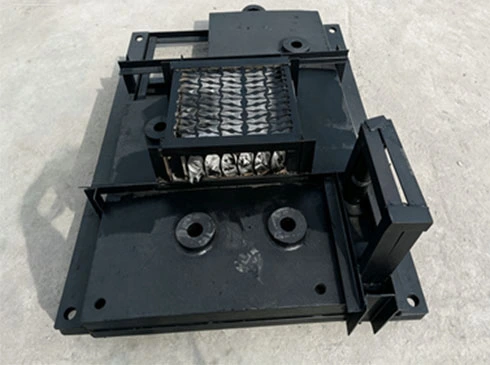
O&M service for blast furnace cast house equipment encompasses comprehensive maintenance activities designed to keep critical ironmaking systems operating reliably. These services include scheduled inspections, preventive maintenance of primary machinery like taphole drilling machines and trough systems, hydraulic system diagnostics, emergency repairs, electrical and instrumentation calibration, and performance optimization protocols. Effective operations and maintenance programs address the harsh conditions of molten iron handling environments, where extreme temperatures and mechanical stress demand specialized expertise to prevent costly production interruptions and maintain workplace safety.
Understanding O&M Services for Blast Furnace Cast House Equipment
The cast house is one of the most difficult places to work in a steel mill. Every mechanical part is put under a lot of stress when molten iron flows out of the blast furnace at temperatures above 1,500°C. By knowing what complete repair services include, plant managers can make smart choices about how to protect their investments.
Core Components of Cast House Maintenance Programs
Maintenance programs run by professionals do a lot more than just fix things. They set up organized routines that cover every part of the health of the equipment. When you work at SMEC, our on-site maintenance teams work in shifts to make sure that all cast house operations are always covered. This way, steel mills don't have to do any manual work.
Primary process equipment care is the first part of the service design. Cleaning, lubricating, inspecting pins, diagnosing hydraulic circuits, maintaining cylinders, and calibrating action strokes are all things that need to be done every day on machines like taphole drills, hydraulic mud guns, slag blocking equipment, and tilting runners. These tasks make sure that the tapping and ironing blocking processes run smoothly and accurately. In these processes, even small mistakes can cause big losses in production.
Special care needs to be taken with hydraulic power plants and transportation networks. In the cast house zone, high-pressure hydraulic systems, valve assemblies, accumulators, and pressure sensors are all inspected in detail. Common problems like hydraulic leaks, low pressure, and pipeline blockages are found by technicians before they get worse. By replacing hydraulic fluids and seal covers on a regular basis, the system stays intact even when the temperature keeps going up and down.
The Human Element in Technical Service Delivery
Aside from mechanical jobs, good upkeep needs people with a lot of experience who know how steel production works. Maintenance teams that work at the cast house get to know each piece of equipment very well and can spot small changes in performance that mean problems are starting to appear. This kind of first-hand information can't be learned through remote tracking alone.
When service providers use three-shift rotation systems, they make sure that important tapping activities are always being watched over. By being there 24 hours a day, seven days a week, technicians can see how the equipment works in a variety of blast furnace conditions and record information that helps with planning future maintenance. The constant presence of people also speeds up reaction times when unexpected failures happen, reducing the time it takes to find a problem and fix it.
Common Issues in Blast Furnace Cast House Equipment and How O&M Addresses Them
The setting in which cast house equipment works is one of the toughest you can imagine. Getting to know the most common types of failure helps buying teams understand why professional repair services are worth the money.
Mechanical and Hydraulic System Failures
Dust in the air and high temperatures can always contaminate the hydraulic systems that power mud guns and drilling tools in O&M service for blast furnace cast house equipment. High temperatures speed up the breakdown of oil, which lowers its viscosity and makes it less useful for lubrication. Maintenance plans deal with these problems by replacing and checking fluids on a regular basis, based on how the machine is actually working instead of just following maker guidelines.
Wear and tear on machines is most noticeable at pivot points and linear guides, where they do the same thing over and over again, thousands of times every day. When dust gets into pin joints, it wears them down, and when they are tapped, they are loaded with force. Regular proactive inspections find wear patterns early, so parts can be replaced on time during planned maintenance windows instead of having to be fixed quickly during critical production times.
Electrical and Control System Vulnerabilities
Electrical cabinets, wire trays, and control panels are at risk of thermal stress and dust buildup in high-temperature areas around tapping areas. Even though shelters are protected, fine particles get inside and create conductive paths that could cause short circuits. The accuracy of the control system is kept up by following regular cleaning protocols and calibrating pressure and flow instruments.
In cast-iron and other steel structures, sensor shift is a small but important problem. Extreme temperatures can mess up the calibration of hydraulic pressure transducers and flow meters, which can lead to mistakes in control algorithms. Systematic inspection and recalibration processes make sure that automatic systems get correct input data. This stops the control systems from responding in the wrong way, which could damage equipment or put people in danger.
Material Handling Equipment Degradation
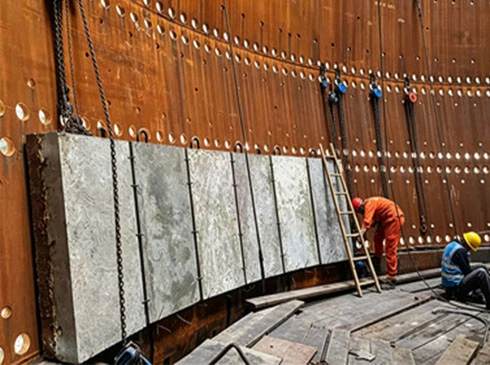
Crane systems, slag pots, hot metal ladles, and runner repair tools all have to deal with temperature cycles and mechanical shock. Transport vehicles that work near streams of hot iron need special upkeep to keep them from breaking down in terrible ways. Material flow systems stay working thanks to regular maintenance plans and the ability to fix problems in an emergency. This keeps the production chain from getting slowed down.
Dust collection systems that work with cast houses need to be maintained at the same time. To protect workers' health and follow environmental rules, ventilation fans and automatic collection equipment must run all the time while tapping is going on. Service programs make sure that these extra systems get the care they need because they play a big part in keeping operating licenses and following the rules.
How O&M Services Improve Blast Furnace Cast House Performance
Performance optimization in the cast house goes beyond keeping things from breaking down. Strategic approaches to maintenance find operational bottlenecks and make targeted changes that raise productivity metrics.
Data-Driven Performance Assessment
Modern repair plans use practical data to figure out how well equipment is working. KPIs keep track of the average amount of time between failures, the time it takes for maintenance to be called in, the percentage of available equipment, and the number of safety incidents. These metrics set the baseline for performance and show where improvements can be made.
By looking at failure frequency patterns, you can find systemic issues that need engineering solutions instead of constant repairs. When certain parts keep breaking down even after regular maintenance, it means that the design wasn't fully tested or that the working conditions aren't right. Based on this knowledge, suggestions for technology changes are made that deal with the reasons rather than the symptoms.
Predictive Maintenance and Condition Monitoring
Maintenance goes from being reactive to being proactive with the help of new monitoring tools in O&M service for blast furnace cast house equipment. Vibration research on hydraulic pumps can find worn-out bearings weeks before they break. Thermal imaging finds hot spots in electrical systems that could mean that connections are loose or that circuits are overloaded. Oil analysis shows the amount of contamination and wear particles that can be used to predict when a part will break.
Condition-based tracking systems keep an eye on equipment health signs all the time, and they only do maintenance when the equipment is actually in bad shape, not when it's supposed to be done. This method finds the best time for maintenance so that parts don't need to be replaced too soon or fail when they're least expected. The approach lowers the cost of keeping spare parts on hand while also making tools more reliable.
Case Study Applications and Measurable Outcomes
Steel mills that put in place thorough maintenance programs say they see measurable improvements. When availability goes up by 3–5%, it directly leads to more production capacity without the need for new capital. Eliminating emergency fixes and figuring out the best time to replace parts can cut maintenance costs by 15 to 20 percent. Reducing safety incidents creates immeasurable value by making workers safer and making sure that rules are followed.
To make these changes, maintenance methods must be put in place in a planned way, and performance must be monitored all the time. The change doesn't happen right away, but consistent progress is made with disciplined execution. When mills commit to professional repair relationships, they set themselves apart from their competitors by improving their operations over time.
Choosing the Right O&M Service Provider for Blast Furnace Cast House Equipment
Selecting a maintenance partner represents a strategic decision with long-term operational implications. Several evaluation criteria help procurement teams identify providers capable of delivering sustained value.
Technical Competency and Industry Experience
In specialized manufacturing settings, provider qualifications are very important. Teams that work on cast-iron equipment must have experience with hydraulic systems, high temperatures, and automated control platforms that are specific to ironmaking. Standard industrial maintenance skills don't immediately work in blast furnaces because of the unique needs of those settings.
Workforce qualifications show that someone is technically skilled in a real way. Companies that hire trained hydraulic specialists, electrical techs with training in working in high temperatures, and mechanical engineers who know how to work with refractory-lined equipment really care about the quality of their services. The fact that senior-level technical staff is present shows that the organization has more depth than just entry-level technicians.
Service Level Agreements and Response Commitments
Comprehensive service agreements spell out exactly what is expected of the service provider and how they will be held accountable. Effective deals spell out promises for how quickly someone will respond to emergencies, how often different types of equipment will be serviced, how often extra parts will be available, and how performance will be reported. These parts of the contract make things clear and make sure that both the provider and the client have the same goals.
Emergency response capabilities that are available 24 hours a day are an absolute must for cast house operations. Production in blast furnaces can't stop for long periods of time without hurting the economy badly. Maintenance companies need to make sure they have enough workers, extra parts, and logistics skills to respond quickly to emergencies at any time.
Spare Parts Management and Supply Chain Integration
Equipment downtime often lasts longer because parts are harder to find than because the fix is harder to do. Spare parts programs that balance inventory costs against supply needs are an important part of repair partnerships that work well. Commodity items can be supplied just-in-time, while critical parts with long lead times need to be strategically stocked.
When installing tools in more than one country, supply chain integration is even more important for O&M service for blast furnace cast house equipment. Procurement delays are kept to a minimum by providers with established ties with component makers, knowledge of customs clearance, and logistics networks. This feature is especially useful when looking for specialized parts that can't be bought from local distributors.
Innovations and Trends in Blast Furnace Cast House O&M Services
The maintenance service landscape continues evolving through technological innovation and changing industry requirements. Understanding emerging trends helps organizations position themselves advantageously for future operational demands.
Digital Technologies and Predictive Analytics
Sensors connected to the industrial internet of things are placed on all of the equipment in the cast house. These sensors continuously send data about how the equipment is working and its health. Systems that are connected send data about temperatures, pressures, vibration levels, and cycle counts to centralized analytics platforms in real time. Machine learning systems look at this data to find trends that show when something is about to break. This lets maintenance be truly proactive.
Digital twin technology makes virtual copies of real-world equipment that can be used to test different ways of running and maintaining it. Engineers can test proposed changes virtually before making them in real life. This cuts down on the need to use production equipment for trial-and-error testing. The method shortens optimisation steps and keeps processes running as smoothly as possible.
Sustainability and Energy Efficiency Optimization
Environmental laws are having a bigger effect on upkeep objectives. Protocols for tracking energy use and improving efficiency have now been added to service plans. Increasing the efficiency of the hydraulic system, balancing the electrical load, and optimising the dust gathering system all use less energy while keeping or boosting performance.
Emission reduction is no longer just a design issue; it's also an upkeep problem. Fugitive emission levels are directly affected by how well sealing systems, ventilation equipment, and material handling equipment are maintained. Along with standard measures of cost and reliability, environmental performance metrics are now part of comprehensive service plans.
Global Service Models and Local Execution
International steel companies can choose between services from the original equipment manufacturer (OEM) and specialized third-party providers. OEM services offer in-depth knowledge of products and direct access to factory-made parts, while independent experts often offer more freedom and lower prices. More and more, hybrid models that combine OEM technical support with local service execution are seen as the best way to go.
Regional service delivery skills are very important for operations that are spread out in different places. Providers with a global reach and strong local teams mix global standards with the ability to adapt to local needs. This framework is especially helpful for businesses that have to deal with different regulatory settings and have to deal with different labour markets and supply chain systems.
Conclusion
Comprehensive maintenance of cast house equipment in O&M service for blast furnace cast house equipment includes a lot more than just fixing things when they break. Professional services combine preventive maintenance, predictive diagnostics, emergency response capabilities, and ongoing performance optimization into programs that work well together and make equipment more reliable and production more efficient. Handling hot iron is very dangerous and needs specialized knowledge that regular industrial repair can't provide. Strategic relationships with support providers with a lot of experience add value by making things more available, cutting costs, and making things safer. As technology changes and industry standards change, maintenance services keep changing by adding digital tools and a focus on sustainability, but they don't lose sight of the basic reliability principles that drive operations excellence.
FAQ
What qualifications should cast house maintenance personnel possess?
Technicians who work on blast furnace cast house equipment need to know a lot about working in high-temperature factories, hydraulic systems, and how to use metallurgical equipment. At the very least, you should have certifications in maintaining hydraulic systems, electricity safety in dangerous settings, and operating a crane. It's better to have experience with ironmaking equipment than general industrial maintenance experience, because the conditions and safety rules are different and require specialized knowledge.
How frequently should major cast house equipment undergo preventive maintenance?
How often maintenance needs to be done depends on how important the equipment is, how much it is used, and the conditions outside. Main tapping tools, like mud guns and drilling machines, need to be checked every day and fully serviced once a week. Every three months, hydraulic systems need to be inspected carefully, and their fluids need to be analysed. Every year, big overhauls replace worn-out parts and recalibrate the system. Instead of using set plan dates, actual schedules should be made based on data from status tracking.
Can predictive maintenance completely eliminate unexpected equipment failures?
Predictive approaches cut down on unexpected failures by a lot, but they can't get rid of them completely. Sometimes catastrophic failures happen without notice because of quick external impacts or flaws in the material. On the other hand, predictive programs that are set up correctly can cut unexpected downtime by 50 to 70% compared to reactive maintenance methods. With today's technology, the best way to avoid failure is to use a mix of condition tracking, data analytics, and the expert judgement of a mechanic.
What cost savings can comprehensive maintenance programs deliver?
When compared to reactive methods, well-run repair plans usually cut the total cost of owning equipment by 15 to 25 percent. Savings add up when emergency repairs cost less, when parts are replaced at the best time, when production losses from unexpected breaks are lower, and when equipment lasts longer. The exact savings rely on how things were before, how old the equipment is, and how well the program is run. Most of the time, switching to comprehensive programs pays for itself in six to eighteen months.
Partner with SMEC for Comprehensive Cast House Equipment Maintenance Solutions
SMEC offers full repair services that are designed to meet the particular needs of blast furnace activities. Our on-site teams work hard to follow set procedures for all types of tools, from main tapping machines to backup systems. We bring a lot of deep expertise to every job because we have 168 engineering and technical staff, including 30 senior engineers. Our all-encompassing method takes away the management load from our clients while improving the performance of equipment and lowering operating costs. Get in touch with our team at project@smec.cc to talk about how our O&M service for blast furnace cast house equipment providers can improve the reliability of your production and your standing in the marketplace.
References
1. Iron and Steel Technology Journal, "Advanced Maintenance Strategies for Blast Furnace Cast House Operations," Metallurgical Industry Press, 2022.
2. International Journal of Steel Production, "Predictive Maintenance Applications in Primary Ironmaking Facilities," Industrial Engineering Publications, 2023.
3. Hydraulic Systems Maintenance Handbook for Heavy Industry, "Best Practices for High-Temperature Fluid Power Applications," Technical Standards Institute, 2021.
4. Global Steel Manufacturing Review, "Operational Excellence through Strategic Maintenance Partnerships," Industry Analysis Group, 2023.
5. Equipment Reliability Engineering Quarterly, "Case Studies in Blast Furnace Auxiliary Equipment Optimization," Professional Engineering Society, 2022.
6. Industrial Maintenance Management, "Cost-Benefit Analysis of Outsourced Maintenance Services in Steel Production," Business Analytics Press, 2023.
Free consultation & volume discounts available
SEMC focuses on the entire metallurgical process—from coking, ironmaking, and steelmaking to continuous casting and rolling. Whether you face challenges related to equipment upgrades, energy efficiency optimization, or overall process transformation, please fill in the following information. Our technical team will provide you with tailor-made high-end equipment upgrade solutions and professional EPC design services to help your project be implemented efficiently.