A Complete Guide to Choosing a Spherical Charge Shut-Off Valve for Blast Furnace Systems
A Complete Guide to Choosing a Spherical Charge Shut-Off Valve for Blast Furnace Systems
Understanding Spherical Charge Shut-Off Valves in Blast Furnace Systems
- Understanding Spherical Charge Shut-Off Valves in Blast Furnace Systems
- Key Criteria for Choosing the Right Spherical Charge Shut-Off Valve
- Installation, Maintenance, and Common Challenges
- Market Overview and Procurement Insights
- Case Studies and Practical Applications
- Conclusion
- FAQ
- Partner With SMEC for Reliable Blast Furnace Charging Solutions
- References
If you don't choose the right valve for your blast furnace charging system, you could have costly downtime instead of smooth operations. As the main seal for air and pressure in material hopper systems, the blast furnace BLT equipment spherical charge shut-off valve represents a significant advancement in Bell-Less Top charging technology. These precision-engineered parts stop the leakage of toxic gases, keep the top pressure stable for the best chemical reduction, and pose a lot less of an environmental threat than traditional flap valves. If you know how to assess and buy these valves, your building will be able to meet the highest standards for safety and the environment while also being very productive.
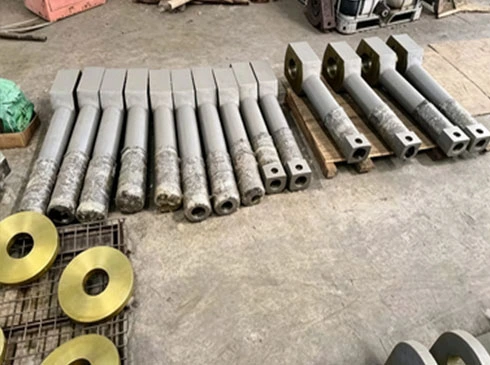
Understanding Spherical Charge Shut-Off Valves in Blast Furnace Systems
These days, the iron-making business needs machines that can work in harsh conditions and keep their zero-leakage performance. Bell-less top charging systems have changed the way we put coke, sinter, and other raw materials into blast furnaces. Blast furnace BLT equipment spherical charge shut-off valves are the most important part of this technology.
Operating Principles and Design Advantages
When the spherical valve is opened, it makes a clear, unobstructed opening by rotating a ball mechanism. Unlike regular gate or flap valves, the spherical shape keeps material from building up on the sealing surfaces by shearing itself clean. The circular surface turns against the sealing ring when the valve closes. This pushes away any dust or other particles that could break the seal. One of the hardest things about running a blast furnace is keeping the seals reliable in places that are very rough. This basic design solves that problem.
The body of the valve is usually made of heat-resistant cast steel or high-grade metals, and it holds a perfectly machined sphere that has been treated with advanced surface technologies. High-velocity oxygen fuel (HVOF) spraying or tungsten carbide coating makes the surface hard (55–60 HRC), which keeps the valve from wearing down over long periods of use from coke breeze and sinter dust.
Core Functions in Modern Charging Systems
These valves are very important because they do three things that have a direct effect on your bottom line. They keep the top pressure of the furnace between 0.25 and 0.3 MPa, which stops gas leaks that would waste fuel and put people in danger. The quick opening and closing cycle—often finished in seconds—keeps heat from escaping while the material is being charged, which is important for the reduction process. The tight closing feature also makes sure that all the gas is recovered, which is good for the environment and turns waste into something useful.
Modern spherical valves with nitrogen purging ports are liked by many operators because they add an extra layer of safety. These ports let controlled gas flow into sealing surfaces to blow away dust that has built up on them. This makes maintenance times longer and cuts down on unexpected shutdowns.
Key Criteria for Choosing the Right Spherical Charge Shut-Off Valve
When buying blast furnace charging equipment, you need to carefully consider a lot of technical and business factors. The spherical charge shut-off valve for blast furnace BLT equipment you choose today will have an effect on long-term costs and the reliability of production for many years.
Matching Technical Specifications to Your Operating Environment
The size and flow properties of the valves you need depend on the capacity of the furnace. Large blast furnaces that hold between 2,500 and 5,000 cubic meters of material need valves with bigger bore sizes and stronger lifters to handle the large amounts of material. Another important thing to think about is the temperature rating. Standard models work reliably up to 250°C, but if your process makes higher temperatures near the charging zone, you need to ask for water-cooled valve seats and special heat-resistant alloys.
The difference in pressure across the valve affects the shape of the seal and the size of the actuator. When working with higher pressures, metal-to-metal seals with Stellite hard-facing are needed instead of fluorine rubber parts. It's also important to know what your material is made of. For example, pulverized coal injection systems use smaller particles that can get through standard seals differently than larger coke particles.
Evaluating Durability and Maintenance Requirements
When we look at different valve choices, we look at three signs of longevity that help us figure out the total cost of ownership. Service intervals are directly related to the quality and thickness of the wear-resistant coating. For example, premium tungsten carbide coatings can make spheres last up to 6–8 years under normal operating conditions. The material and design of the sealing ring determine how often it needs to be replaced. Depending on how often it is used, most installations need new sealing parts every 12 to 24 months.
Actuator reliability isn't always given as much thought when buying them, but it has a big effect on how much it costs to maintain them. Position feedback systems on hydraulic and pneumatic actuators from reputable manufacturers let operators know when problems are starting to happen before the whole system fails. We suggest valves with actuator hardware that is easy for technicians to get to without taking the valves apart a lot, which cuts down on the average time it takes to fix.
Comparing Spherical Valves to Alternative Designs
Spherical valves are used in most current BLT setups. Knowing their benefits compared to other valve types helps investors decide whether to make an investment. Traditional flap valves are cheaper at first, but over time, material builds up and makes them less effective at closing. This means that more gas leaks and more upkeep needs to be done. Slide gate valves have good flow characteristics, but they can't clean themselves like spherical designs can, which makes them less useful in places where there is a lot of dust.
The circular shape works best in places where it's important to have a solid seal under pressure. Integrated steel mills that have upgraded older charging systems regularly say that adding spherical shut-off valves has improved the steadiness of the furnace top pressure and cut down on pollution.
Installation, Maintenance, and Common Challenges
Correct blast furnace BLT equipment spherical charge shut-off valve installation methods and regular maintenance schedules make sure that the valve works at its best for as long as it is in use. When you rush through installation or don't do regular maintenance, you cause problems that you could have avoided, which slow down production.
Step-by-Step Installation Best Practices
Before they are put in place, mounting flanges are checked to make sure they meet the valve manufacturer's standards for surface finish and size limits. No matter how good the valve is, any distortion or roughness on the connecting sides will weaken the seal. Using laser measurement tools to check for alignment makes sure that the centerline of the valve and the axis of the charging chute are within certain limits, usually with less than 2mm of difference along the length of the valve.
When placing the valve, don't use the actuator as a lifting point, as this can damage parts inside the machine before it is put into service. To make sure that the clamping force is spread evenly around the sealing surface, flange bolts need to be tightened in a star pattern. Instead of using impact wrenches, we always use standardized tools to check bolt torque values.
Pay close attention to the details of the actuator connection and control system integration. To keep servo valves from getting dirty, hydraulic lines must be cleaned out completely before they are connected. For pneumatic systems to work, the filter-regulator-lubricator (FRL) parts need to be the right size for how much air the actuators use. Calibration of the position sensor confirms that the feedback from the control system accurately shows where the valve is during the whole stroke.
Routine Maintenance Procedures
Setting up a maintenance schedule based on operational cycles instead of calendar dates gives you more accurate service intervals. We suggest inspections every 500 to 1,000 charging cycles, but the exact time frame will depend on the furnace campaign rates. Technicians check the sealing ring for signs of wear, the actuator mounting bolts for looseness, and the nitrogen purging systems to make sure they work right.
When lubricating actuator parts, make sure to follow the manufacturer's instructions for the type and amount of grease to use. Too much or too little oil can cause problems, and it's even possible for seal pollution to happen. The hard-coated surface of the valve sphere usually doesn't need to be oiled, but some designs have sealed bearing systems that need to be serviced every so often.
Troubleshooting Common Issues
Most of the time, operators report problems with gas leaking past the valve seal. When leaks happen, you should always check three possible causes. The most common type of sealing ring wear is from rough materials, which means the elastomeric or metal seal component needs to be replaced. When the cooling system fails, especially in high-temperature situations, the sealing ring deforms due to heat. Making sure that the flow of water through the cooling tubes keeps the temperatures at a good level. Damage to the sphere's surface from hitting something or the coating coming off means that it needs to be fixed or replaced.
Most of the time, problems with the actuator, not the valve, are to blame for slow or incomplete valve operation. As seals wear out, hydraulic systems leak internally, which lowers the force of the actuator. Pneumatic systems are prone to moisture damage that breaks down internal parts. Most breakdowns of actuators can be avoided by servicing them regularly as directed by the maker.
Market Overview and Procurement Insights
To find your way around the global market for blast furnace BLT equipment spherical charge shut-off valves, you need to know what each provider can do, how much they charge, and what new technologies may affect the long-term value.
Evaluating Supplier Capabilities and Reputation
There are both well-known foreign names and new companies that are making competitive alternatives in the spherical valve market. Leading providers stand out by offering full tech help from the beginning of the design process to the end of the equipment's lifecycle. When we look at possible vendors, we look at how well they've done in the past with setups that are similar to yours. Knowing that they've worked with furnaces of similar sizes, types of materials, and working conditions gives us a lot of trust.
A supplier's manufacturing capabilities show how well they can deliver consistent quality. CNC machining centers, automated welding systems, and precision measuring tools are used in modern production facilities to make sure that each batch of parts meets strict tolerances. Quality management system standards like ISO 9001 give us a basic level of confidence, but we also check to see if our sources have their own testing facilities for things like endurance riding, pressure testing, and coating verification.
A supplier's technical help system is often what sets them apart from ones that are just good enough. Quick responses from engineering teams to technical questions, help with installation problems, and troubleshooting operational problems add value well beyond the purchase of the equipment itself. We really appreciate it when suppliers offer training programs that help plant workers understand how to operate and maintain valves in the best way.
Understanding Pricing Dynamics
Valve prices are based on more than just the basic cost of making them. Customization needs have a big effect on prices; standard designs are cheaper than valves that are made to work with specific flange configurations, high temperatures, or coating requirements. Order volume gives you buying power, and when you buy more than one item, you usually get a better price.
Lead times depend on when suppliers make things and how readily available parts are. Standard configurations usually ship between 8 and 12 weeks, but customized valves can take up to 16 to 20 weeks from the time the order is placed until they are delivered. Talking about realistic delivery needs during the quotation process helps suppliers come up with solutions that meet your deadline without charging extra for faster delivery.
The level of sophistication of the technology also affects the price. Simple spherical valves with human actuators are a lot cheaper than automatic units that can track their position, do tests from a distance, and plan maintenance ahead of time. Whether or not advanced features are worth the extra money depends on your operational priorities and the skills of your workforce.
Strategic Procurement Approaches
Long-term benefits come from building relationships with qualified suppliers instead of buying valves as a one-time transaction. As part of a preferred supplier agreement, you may get better warranty terms, priority during busy production times, and access to technology experts for continued optimization. We suggest vetting two or three sources for important parts like charging system valves. This will ensure a steady supply while keeping the competition high.
When planning big furnace upgrades or running a lot of facilities, it makes sense to order in bulk. When you combine the needs for valves from several projects, you can often get big discounts, and sellers are more likely to invest in customization tools that will help you with future orders. Scheduling deliveries so that parts arrive at the right time for installation crews saves money on storage costs.
Case Studies and Practical Applications
Installations in the real world show that choosing and using the right valves can lead to measurable improvements in operations. As part of a planned relining operation, a large integrated steel mill in the Midwest added advanced blast furnace BLT equipment spherical charge shut-off valves to its 4,000-cubic-meter blast furnace.
Large-Scale Blast Furnace Retrofits
The old flap valve system leaked too much gas, which caused problems with environmental regulations and limited the amount of recovered gas that could be used to make electricity. The facility saw a 94% drop in fugitive emissions at the charging level after putting in tungsten carbide-coated spherical valves with nitrogen purging systems.
Over the next 18 months, operational data showed that there were more benefits than just better environmental conditions. The constant closing performance reduced changes in the top pressure of the furnace by 40%. This led to more even chemical reactions and better coke rate efficiency. According to the maintenance records, the new valves needed to be serviced a lot less often than the old ones. This cut unplanned downtime by about 60 hours per year.
Pulverized Coal Injection System Enhancement
For their pulverized coal injection system, a specialty metallurgical plant that works with very pure iron needed strong isolation valves. The small particle size and high injection pressures made things more difficult than usual, and regular valve designs couldn't handle them. The engineering team worked with their source to choose circular valves with metal-to-metal seals that have Stellite hard-facing and better nitrogen purging capacity.
Backflow problems with the old system were fixed by the custom valves, which gave precise control over the coal injection rates. This better control led to more consistent chemistry in the furnace and less variation in the end product specs. The plant's procurement manager said that buying well-designed valves saved them from having to pay for expensive fixes and seal replacements all the time, which was what they had been doing before.
Environmental Compliance Projects
As rules about industrial pollution get stricter, many facilities are being forced to update their older charging systems. A coking plant that serves several steelmakers in the area made a lot of changes to protect the environment. For example, all of the isolation valves in the charging system were replaced with new, spherical ones that use advanced sealing technology.
The project met all of the new standards for air quality and made operations run more smoothly. By getting rid of places where gas could leak, the facility was able to collect more blast furnace gas for use in combined heat and power systems, which made the whole system more energy efficient. The plant manager reported that the upgrades to the valves and other system improvements cut down on environmental compliance costs by making up for higher monitoring and cleanup costs with higher energy recovery profits.
Conclusion
Choosing spherical charge shut-off valves for blast furnace charging systems from Blast Furnace BLT equipment is a big decision that will have an effect on safety, productivity, and the environment. Long-term dependability and total cost of ownership are directly affected by technical factors such as material compatibility, temperature resistance, pressure ratings, and coating technologies. Partnering with experienced makers who offer full technical support, proven quality control, and quick after-sales service will make sure that your investment pays off over the lifecycle of the equipment. There is more pressure on blast furnace operations to be more efficient while also meeting environmental standards. Charging system valves that are properly installed can help with both of these goals. By carefully looking at what suppliers can do and using a systematic buying process, your facility will be able to get the most out of this important equipment.
FAQ
1. What is the typical service life of a spherical charge shut-off valve?
Under normal conditions, the blast furnace BLT equipment spherical charge shut-off valve can last between 6 and 8 years with proper care and a high-quality tungsten carbide coating. Depending on how often they are used and how rough the material is, sealing rings usually need to be replaced every 12 to 24 months. Inspections done on a regular basis help find wear patterns before they hurt performance.
2. How does the valve handle material buildup on sealing faces?
The spherical spin cuts against the seal in a way that cleans itself by physically removing any particles that have built up during each working cycle. Many units have nitrogen purging ports that blow away dust and small particles. This keeps the sealing surfaces clean between charging cycles and increases the time between service visits.
3. Can these valves operate at temperatures exceeding 350°C?
Standard models are rated to work continuously at about 250°C. For uses that are exposed to higher temperatures, water-cooled valve seats and special alloys that can handle heat are needed. Talking to suppliers about your specific temperature conditions during the specification process makes sure that the right thermal management features are built in.
4. What causes seal failures most frequently?
Two main types of failure are sharp wear from coke breeze and sinter dust, which wears away at sealing surfaces over time, and temperature deformation of the sealing ring due to problems with the cooling system. Most premature seal failures can be avoided by following proper repair methods and keeping an eye on how well the cooling system is working.
5. Are these valves compatible with major BLT system brands?
Different companies make spherical shut-off valves with different designs, but most of them are made to fit major BLT system standards, such as Paul Wurth and similar platforms. This compatibility makes it easier to retrofit and maintain systems from different generations, though you should check with your provider to make sure they meet your unique interface needs.
Partner With SMEC for Reliable Blast Furnace Charging Solutions
To get the most out of blast furnace systems, the equipment has to work reliably even in the toughest situations. As a top manufacturer of blast furnace BLT equipment spherical charge shut-off valves, SMEC combines cutting-edge engineering skills with established manufacturing know-how to provide solutions that are tailored to your needs. Our 168 engineering and technical staff, including 30 senior engineers, work in our state-of-the-art facilities in Taiyuan, which is China's main hub for heavy industry and energy, to make charging system parts that meet the strict requirements of steel mills, coking plants, and EPC contractors around the world.
We take a complete approach to every part of a project, from the original requirements and custom design to precise manufacturing, quality control, installation support, and ongoing technical service. To make sure that every valve works perfectly and doesn't leak, we follow strict quality control procedures that include hydraulic pressure testing, non-destructive examination, and operating cycle validation. Contact our international trade team at project@smec.cc to talk about your blast furnace charging system needs and find out how our technical know-how and customer-focused service model can help you improve operating efficiency and lower your total cost of ownership.
References
1. Gupta, R. & Singh, V. (2019). Modern Blast Furnace Ironmaking: Process Fundamentals and Equipment Design. Metallurgical Industry Press.
2. Chen, W., Liu, H., & Zhang, M. (2021). Advanced Sealing Technologies for High-Temperature Industrial Valves. Journal of Materials Processing Technology, 287, 116-128.
3. International Iron and Steel Institute. (2020). Best Available Techniques for Blast Furnace Charging Systems. Technical Report Series No. 47.
4. Anderson, T. & Roberts, P. (2018). Bell-Less Top Charging: Operational Experience and Equipment Evolution. Ironmaking and Steelmaking Conference Proceedings, 45(3), 234-251.
5. Yamamoto, K., Tanaka, S., & Watanabe, H. (2022). Wear-Resistant Coatings for Blast Furnace Equipment: Comparative Performance Analysis. Surface and Coatings Technology, 412, 127-139.
6. European Steel Technology Platform. (2021). Environmental Best Practices in Blast Furnace Operations: Equipment Selection and Process Optimization Guidelines. Industry Reference Document.
Free consultation & volume discounts available
SEMC focuses on the entire metallurgical process—from coking, ironmaking, and steelmaking to continuous casting and rolling. Whether you face challenges related to equipment upgrades, energy efficiency optimization, or overall process transformation, please fill in the following information. Our technical team will provide you with tailor-made high-end equipment upgrade solutions and professional EPC design services to help your project be implemented efficiently.