Problems Caused by Poor Blast Furnace PCI Performance
Common Problems Caused by Poor Blast Furnace PCI Performance
- Common Problems Caused by Poor Blast Furnace PCI Performance
- Root Causes Behind Poor PCI System Performance
- Principles and Techniques for Blast Furnace PCI System Optimization
- Business Benefits of Optimizing Your Blast Furnace PCI System
- How to Choose the Right PCI System Supplier and Technology for Your Blast Furnace?
- Conclusion
- FAQ
- Partner with SMEC for Comprehensive Blast Furnace PCI Solutions
- References
When blast furnace pulverized coal injection (PCI) systems break down, it affects all parts of the ironmaking process, including how much energy is used, how stable the furnace is, and how safe it is. Older equipment, carbon buildup in the pipelines, lance wear, unstable fluidization air pressure, incorrect weighing systems, and uneven coal spread across tuyeres are all things that can make PCI performance poor. These problems make it impossible to replace coke effectively, which raises fuel prices and operating risks. Steel producers who want to cut costs, keep furnace conditions stable, and boost output have made revamping and optimizing of blast furnace PCI system projects a top priority in order to deal with these problems.
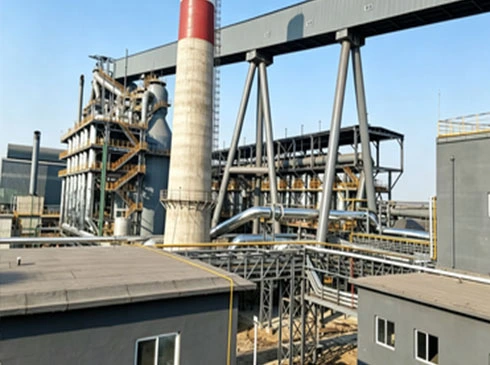
Common Problems Caused by Poor Blast Furnace PCI Performance
Energy Consumption Surges and Rising Fuel Costs
As PCI systems get worse, they directly raise the amount of energy needed for ironmaking. When coal powder injection isn't even, combustion efficiency drops very quickly. When coal isn't burnt all the way, it doesn't move metallurgical coke around well, so blast furnaces have to use more coke and more coal at the same time. This double burden makes it much more expensive to get raw materials. When compared to well-maintained systems, steel plants with PCI setups that aren't working as well as they should often see coke ratio jumps of 20 to 40 kg per ton of hot metal. Every month, the financial effects get worse, making it harder to make money and compete in a market that is already very tight.
Disrupted Gas Flow and Unstable Furnace Conditions
Asymmetric gas flow patterns inside the furnace are caused by uneven coal spread across each tuyere. When coal input rates change too much between tuyeres, areas on the edges get too much airflow while areas in the middle don't get enough. This imbalance causes many problems with operations, such as slag shells coming off often, big changes in temperature, material hanging, falling loads, and pipeline clogs. These long-term problems make it harder to use the blast furnace and make hot metal. They also force operators to use reactive management instead of proactive control strategies.
Safety Hazards at Tuyere Zones
When PCI technology doesn't work right, it can be dangerous near tuyeres. Pipeline carbon buildup and irregular coal flow speeds cause lance tip coking, tuyere burning, and damage to equipment. In the worst cases, coal dust can catch fire on its own, pipeline flashback explosions can happen, and coal can leak out and put people and equipment at risk. Because of these safety issues, the systems need to be shut down right away, fixed right away, and left down for longer than planned maintenance windows. These kinds of failures are hard to plan for, which throws off production schedules and causes stress throughout the whole operation.
Environmental Compliance Challenges
Unburned coal powder carried by blast furnace gas gets into systems that clean the air further down the line. This blocks dust collector bags, raises gas impurities and makes cleaning systems use more energy. As particulate matter, CO₂, and other pollutants are released into the air more, this situation makes it more important for people to follow environmental rules. When PCI systems don't work up to par, steel companies in places with strict environmental laws could be fined, have problems with the community, or even lose their reputation.
Hot Metal Quality Instability
Bad PCI performance leads to localized temperature changes and less load leakage, which make hot metal chemistry less stable. Changes in the amounts of sulfur and silicon in the metal lower its percentage of prime-grade hot metal, which impacts the processes that follow in the steelmaking process. Quality that isn't consistent means that more steps need to be taken to improve the product, which takes longer and costs more, and the different qualities of the product could disappoint customers.
Root Causes Behind Poor PCI System Performance
Figuring out why PCI systems break down helps steel companies come up with long-lasting solutions instead of just short-term fixes.
Outdated Injection Technology
A lot of Revamping and optimization of Blast Furnace PCI System setups use equipment that was made decades ago and doesn't have the exact control and automation features that newer systems do. These old configurations can't keep the injection parameters stable when the operational conditions change. When changes are made by hand, mistakes and delays in response can happen, which makes performance problems worse. Because there isn't real-time tracking, managers can't find and fix problems before they get so bad that they stop production.
Design Mismatches and Integration Issues
A lot of the time, PCI parts don't work well with the needs of blast furnaces. The size of the feeders, the widths of the pipes, the designs of the lances, and the fluidization systems might not match up with the real production needs or the properties of the raw materials. System speed goes down when companies change production rates or coal suppliers without making the same changes to the PCI. Integration problems between PCI controls and the whole automation of the furnace make it hard for them to talk to each other, which stops them from optimizing together.
Inadequate Maintenance Practices
When you do reactive maintenance, small problems can get worse and turn into big fails. When things break down, it takes longer to fix because of things like not inspecting often enough, replacing parts too slowly, and not having enough extra parts on hand. Operating staff may not have been trained on how to properly run systems and spot problems early on, which lets harmful conditions continue. Without regular maintenance plans and condition tracking programs, PCI systems slowly break down until they fail in a way that requires immediate action.
Principles and Techniques for Blast Furnace PCI System Optimization
Instead of treating each symptom separately, modern methods get to the root reasons of the problem. PCI enhancement methods that work join new technologies, better processes, and strict operational control to produce long-lasting outcomes.
Advanced Injection Technologies and Equipment Upgrades
High-efficiency injectors made of materials that don't wear down easily and optimized shapes spread coal powder more evenly while also lasting longer. Integrated control units with real-time sensor input make it possible to precisely change the flow rate at each tuyere. This takes into account changes in the coal's properties and the conditions of the furnace. Weighing and dosing systems that are automated get rid of the mistakes that come with doing things by hand. Because of these advances in technology, things will work well for a long time.
Strategic System Revamps Without Complete Replacement
A full replacement of a PCI system requires a lot of money and a lot of downtime, which many businesses can't afford. Targeted redesigns put more effort into the most important parts that improve performance the most. By upgrading feeders, removing old pipes, adding modern lance tips, and setting up sensor networks, the system's powers can be changed without having to be rebuilt from scratch. This step-by-step method lets you keep improving while keeping production going and keeping track of your cash flow well.
Process Control Enhancements Through Data Integration
Dynamic combustion optimization is possible with feedback systems that are driven by sensors. Data on temperature, pressure, and flow rate are fed into analysis programs that find the best injection settings in real time. This closed-loop control keeps the efficiency of burning stable, makes the best use of fuel, and lowers the operator's task. For complete furnace management, PCI operation is coordinated with charging patterns, blast settings, and the qualities of the raw materials when it is connected to larger plant automation systems.
Structured Maintenance Programs and Technical Support
Unexpected failures are less likely to happen when preventive maintenance plans are based on data about the lifecycle of parts. Inspections done on a regular basis find wear patterns before they hurt performance. Repair times are cut down by keeping important extra parts on hand. Training programs make sure that operating and maintenance staff know how the system works and how to fix problems. Partnering with equipment providers for the revamping and optimization of the blast furnace PCI system can give you access to technical know-how, performance analysis, and suggestions for ongoing growth that your own teams might not have.
Business Benefits of Optimizing Your Blast Furnace PCI System
Investing in improving PCI has measurable benefits for many areas of the economics and performance of the blast furnace.
Increased Production Throughput and Capacity Utilization
When PCI works well and stays stable, it lets more injections happen at once, which increases output. Case studies from updated facilities show that after comprehensive PCI optimization, hot metal output goes up by 5 to 8 percent. When furnace steadiness is improved, downtime caused by operational problems is cut down. This increases annual production amounts without increasing capacity. Using existing assets more efficiently increases return on capital invested and makes a business more competitive.
Substantial Coke Consumption Reduction
Optimized PCI systems get coke replacement rates of about 0.9 to 1.0 kg coke per kg of coal injected, compared to 0.6 to 0.7 kg coke per kg of coal injected in setups that aren't working well. This increase in efficiency directly leads to less coke being used, which lowers one of the most expensive parts of making iron. If plants that put in 150 kg of coal for every ton of hot metal do things the right way, they can lower coke rates by 30 to 50 kg/tHM. For medium to big blast furnaces, the yearly savings add up to millions of dollars.
Lower Operating Costs and Improved Margins
Optimized PCI not only saves money on raw materials, but it also lowers upkeep costs by reducing the need for emergency fixes and increasing the life of components. Utility costs go down when coal preparation and pumping devices use less energy. When operations are stable, they produce less off-spec hot metal that needs expensive repairs. These effects work together to raise ironmaking's general profit margins. This gives the company more financial freedom to make smart investments and more market robustness when the market goes down.
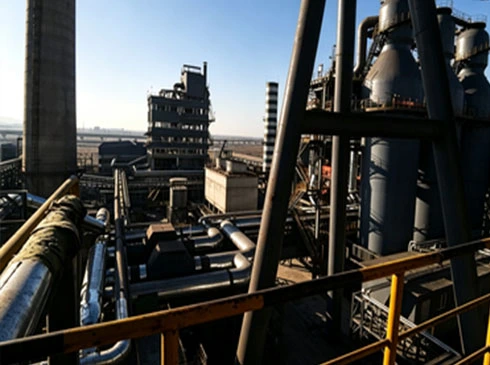
Enhanced Environmental Performance and Regulatory Compliance
Specific emissions per ton of hot metal created go down when coal is burnt efficiently. Particulate emissions and the work of the gas cleaning system are lessened when there is less dust carryover. Less coke use means less CO₂ is released during the making of coke. These changes to the environment help steel companies meet the stricter rules in developed markets, stay out of trouble, and improve their corporate sustainability credentials, which investors and customers care about.
How to Choose the Right PCI System Supplier and Technology for Your Blast Furnace?
When looking for the best technology partner, you need to carefully consider more than just price.
Performance Capabilities and Customization Flexibility
Suppliers should show that they have done setups before that are similar to the size and conditions of your heater. Check to see if they can make solutions that fit the coal you have, the way your tuyere is set up, and your output goals. Standardized products and services don't always give the best results; better sellers can change technology to your needs, while commodity vendors can't.
Integration Compatibility and Implementation Support
Check to see how the suggested solutions work with the current data systems, controls, and work processes for the oven. Offering full application support, such as engineering, installation supervision, commissioning help, and user training, by suppliers lowers project risk and speeds up performance realization. Long-term operation will go smoothly if there is clear documentation, easy-to-use interfaces, and compatibility with how you do maintenance.
Service Quality and Technical Partnership
Quality of after-sales help for the Revamping and Optimization of Blast Furnace PCI System is often a better indicator of long-term happiness than quality of the equipment itself. Check how responsive the supplier is, how many spare parts they have, how well they can fix technical problems, and how committed they are to always getting better. Long-term expert relationships that include regular reviews of performance, suggestions for improvement, and updates to technology are more valuable than buying tools one time.
Procurement Strategy and Contract Structure
Different industry leaders are good at different things. Some are great at complex control systems, while others are great at mechanical stability or process optimization. Comparing skills, references, and culture fit in great detail helps you find the best fit for your company's goals and way of working.
Strategy for Buying and Structure of Contracts: Instead of just looking at the price of the tools, you should think about the total cost of ownership, which includes installation, training, upkeep, and the expected length of time it will last. Lead times need to work with your production and repair plans. The terms of the warranty should be based on realistic operating conditions and make it clear who is responsible for what. Service agreements that cover things like preventative maintenance, performance promises, and technical help keep your investment safe and make sure that someone is responsible for it.
Conclusion
When the PCI in a blast furnace doesn't work right, it leads to a chain of problems that affect things like energy costs, operating stability, safety, environmental compliance, and product quality. The main reasons for the problem—old equipment, bad design, and not enough maintenance—need structured answers instead of random fixes. Modern PCI optimization strategies include targeted retrofits, advanced injection technology, better process control, and planned maintenance. These strategies give businesses measurable benefits like higher productivity, lower fuel use, lower operating costs, and better environmental performance. Choosing the right technology partner based on their skills, compatibility, level of support, and strategic fit is important for a successful implementation and long-term value creation.
FAQ
What are the main indicators that signal the need for PCI system upgrades?
Rising coke ratios despite stable raw materials, regular tuyere maintenance, uneven coal distribution across injectors, repeated furnace instability problems, and rising unburned coal in blast furnace gas are all important warning signs. When these issues don't go away even after regular maintenance, the whole system needs to be looked at and maybe upgraded to get back to performance and competitiveness.
How much coke can be saved through proper PCI optimization?
When PCI optimization is done right, it usually cuts coke use by 30 to 50 kg per ton of hot metal. The precise savings rely on the furnace's state, the quality of the coal, the injection rates, and the performance at the start. When plants have optimized systems that allow injection rates of 150–180 kg/t, they often reach total coke ratios below 300 kg/t. This means that they save a lot of money compared to installations that don't work well and use 350 kg/t or more.
Can PCI improvements be implemented during regular maintenance outages?
A lot of optimization tasks can be done during regular maintenance times. This is especially true for modular improvements like replacing injectors, making the control system better, and installing sensors. Complete system upgrades may need long power cuts that are timed with furnace relining or other big projects. Phased implementation methods find a balance between the need to improve performance quickly and the need to keep output going.
Partner with SMEC for Comprehensive Blast Furnace PCI Solutions
SMEC's experience in Revamping and Optimization of Blast Furnace PCI System implementations is available to steel plant managers and technical leaders wanting dependable solutions. SMEC is based in Taiyuan, Shanxi Province, which is the center of China's energy and heavy industry. Its 68,700 square meters of facilities combine a deep understanding of metals with the latest manufacturing tools. Our 168 engineering and technical experts, 30 of whom are senior engineers, create custom PCI solutions that include cutting-edge injection equipment, smart control systems, and full technical support. SMEC offers full services, from planning to commissioning and help after the sale, whether they are upgrading current setups or changing the whole system. Email our team at project@smec.cc to talk about your needs with an expert Revamping and Optimization of Blast Furnace PCI System provider who cares about the success of your business.
References
1. Chen, W., & Liu, Y. (2021). Advanced Technologies in Blast Furnace Pulverized Coal Injection Systems. Metallurgical Industry Press.
2. Anderson, P., & Schmidt, H. (2020). Energy Efficiency in Modern Ironmaking: PCI Optimization Strategies. Steel Technology International, 15(3), 45-58.
3. Kawaguchi, T., & Nakamura, S. (2019). Operational Improvements Through PCI System Modernization: Case Studies from Integrated Steel Plants. Journal of Iron and Steel Research, 26(8), 723-735.
4. European Commission Joint Research Centre. (2018). Best Available Techniques for Iron and Steel Production: Focus on Pulverized Coal Injection. Publications Office of the European Union.
5. Zhang, J., Wang, Q., & Li, H. (2022). Diagnosis and Optimization of Blast Furnace PCI Performance Problems. China Metallurgy Press.
6. International Iron and Steel Institute Technical Committee. (2020). Guidelines for PCI System Selection, Installation and Maintenance in Blast Furnace Operations. IISI Technical Report Series, Volume 47.
Free consultation & volume discounts available
SEMC focuses on the entire metallurgical process—from coking, ironmaking, and steelmaking to continuous casting and rolling. Whether you face challenges related to equipment upgrades, energy efficiency optimization, or overall process transformation, please fill in the following information. Our technical team will provide you with tailor-made high-end equipment upgrade solutions and professional EPC design services to help your project be implemented efficiently.