How Cast Iron Cooling Walls Improve Furnace Safety
Understanding Blast Furnace Cooling Walls and Safety Challenges
- Understanding Blast Furnace Cooling Walls and Safety Challenges
- Principles of Cast Iron Cooling Wall Design for Enhanced Safety
- Solving Safety Issues with Cast Iron Cooling Walls
- Comparing Cast Iron Cooling Walls with Alternative Solutions
- Procurement Insights: Securing Reliable Cast Iron Cooling Walls
- Conclusion
- FAQ
- Partner with SMEC for Premium Blast Furnace Cast Iron Cooling Wall Solutions
- References
In high-temperature industrial processes, blast furnace cast iron cooling walls are the first line of defense against catastrophic thermal failure. These designed heat-exchange parts take in and release a lot of heat, which keeps the furnace shell from warping and the refractory lining intact. By creating a stable protective slag skin and keeping the critical 1150°C isotherm within refractory bricks, cast iron cooling walls stop molten iron from penetrating. They also increase the life of furnace campaigns by 12 to 15 years and make sure that coking plants, steel mills, and metallurgical facilities can keep running.
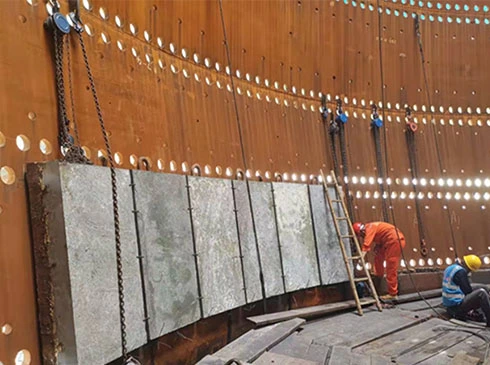
Understanding Blast Furnace Cooling Walls and Safety Challenges
The main job of blast furnace cast iron cooling walls is to keep temperatures down in harsh circumstances. Working in places where temperatures regularly go above 1500°C, these parts are constantly under heat stress that can weaken their structure if proper engineering isn't used.
The Role of Cooling Walls in Thermal Protection
In the process of making iron, modern blast furnaces produce huge amounts of heat. As a divider between the outer steel shell and the inner refractory lining, the cooling wall makes a controlled path for heat to escape. Water moves through cooling lines that are built into the furnace shell and removes heat before it can damage the shell. This constant heat drainage keeps the shell's temperature within safe working ranges, usually below 400°C on the hot face.
Common Safety Risks in High-Temperature Operations
One of the worst things that can happen to furnace walls is thermal shock. Differential expansion stresses are caused by sudden changes in temperature during charging activities or an uneven spread of weight. These stresses show up as tiny cracks that get bigger over time and cause water leaks or the wall to fall down completely. Chemical erosion from rising gases with sulfur and alkali compounds speeds up the breakdown of materials, especially in the bottom stack and bosh areas where gas speeds are highest.
These problems are made worse by mechanical wear from falling raw materials. When iron ore, coke, and limestone move down through the kiln, they constantly rub against the walls. If you don't choose the right materials and plan your project well, this sharp wear can make the walls much thinner in just a few years.
Why Material Selection Matters for Safety?
The unique mechanical qualities of cast iron make it perfect for this tough job. In contrast to steel, which can soften and grow when heated for a long time, cast iron keeps its shape and mechanical power. The material's lattice is made up of graphite, which makes it naturally lubricious and resistant to wear. Its thermal conductivity of 30–40 W/(m·K) makes sure that heat moves efficiently to the cooling water circuit.
Principles of Cast Iron Cooling Wall Design for Enhanced Safety
To make blast furnace cast iron cooling walls that work, you have to balance a lot of different technical factors. To get the best safety performance, the construction method takes into account material science, thermal engineering, and practical maintenance issues.
Material Composition and Structural Integrity
Nodular cast iron types like QT400-18 or QT450-10 are used in modern cooling walls because they are more flexible than standard gray iron. The irregular graphite structure absorbs impact energy and stops cracks from spreading, which is a very important safety cushion during thermal cycling events. These walls have tensile strengths above 400 MPa, which means they can handle the pressure of gas inside and the weight of heavy objects without deforming.
The cast-in cooling pipe system for blast furnace cast iron cooling wall is a big step forward in engineering. Before they are put into the casting form, seamless low-carbon steel pipes are given special coats that protect them. When the iron is molten, it makes a metallurgical link with the pipe surface. This fills in any holes at the contact that could let steam build up and cause an explosion. This combined building method makes sure that heat will move through the wall reliably for its entire life.
Heat Transfer Optimization Techniques
Keeping the flow of water steady through all cooling channels is important for managing temperature well. Engineers plan the paths of pipes so that there are no dead spots where heat could accumulate. The way the inlet and exit manifolds are set up makes sure that the flow is evenly distributed. This stops hot spots from forming that could cause refractory damage. Putting temperature sensors in key places allows for real-time tracking, which lets operators know about problems as they arise before they become safety issues.
The protective slag skin that forms on the hot face keeps the heat out in two ways. This layer that grows back on its own works as a shield that keeps heat from moving into the cooling wall and keeps chemicals from attacking the cast iron below. The right amount of cooling keeps the slag at the right density, which stops it from either building up too much or wearing away completely.
Advanced Monitoring for Proactive Safety
In the past few years, temperature tracking methods have changed a lot. Distributed fiber optic sensors are used in modern systems to provide continuous temperature maps along the full height of the wall. With this fine-grained data, operators can find small changes in temperature patterns that show signs of refractory wear or blocked cooling circuits. Automated alarm systems make repair work happen before small problems become big ones.
Another important safety sign is keeping an eye on the pressure in the cooling water system. Sudden drops in pressure can mean there are possible leaks, while rises in pressure could mean that pipes are clogged or scale is building up. By connecting these tracking systems to centralized control platforms, predictive repair plans can be made that make walls last longer and cut down on unplanned downtime.
Solving Safety Issues with Cast Iron Cooling Walls
Blast furnace cast iron cooling walls can help with safety success, which is directly linked to proactive repair practices. By understanding how failures happen, operators can create tailored avoidance plans that get to the root causes of problems instead of just addressing the symptoms.
Identifying and Preventing Leak Formation
When the blast furnace is working, water leaks are a major safety risk. When cool water hits the hot refractory lining, it quickly turns into steam, which could cause powerful spalling that sends pieces of refractory into the furnace. To stop leaks, strict quality control must be used during production. Before installation, hydrostatic testing at pressures higher than normal working conditions finds flaws in the casting or weak spots in the pipe joint.
Managing the quality of the water is also an important part of stopping leaks. When the temperature of the water rises, dissolved minerals settle to the bottom as scale layers. This gradually makes the pipe smaller and stops the flow of water. This limited flow causes warming in some areas, which eventually causes the pipe walls to rust. Using closed-loop water treatment systems that filter and condition the water continuously keeps the pipes clean and increases the time between big upkeep tasks.
Addressing Thermal Fatigue and Crack Development
Over the course of the furnace campaign, thousands of heating and cooling rounds cause thermal stress. Nodular cast iron is naturally resistant to wear cracks because it is more flexible. Ultrasonic checks done regularly during planned maintenance shutdowns find cracks below the surface before they spread to the cooling pipes or hot face. Finding damage early on lets you make targeted repairs using localized grouting or pipe sleeving methods that fix the structure without having to replace the whole cooler wall section.
Real-World Performance Verification
Large-scale blast furnace companies in North America have reported big safety gains after upgrading their blast furnace cast iron cooling wall. When facilities switched from gray iron to nodular cast iron designs, unplanned shutdowns caused by cooling system failures dropped by 60%. Campaign life increases of two to three years are directly linked to better thermal control and less need for upkeep. By reducing the need for emergency repairs and making maintenance schedules more predictable, these efficiency gains have a measured positive effect on safety.
Comparing Cast Iron Cooling Walls with Alternative Solutions
Choosing the right materials affects both the short-term costs of building and the long-term costs of running the business. When procurement workers know the pros and cons of the different blast furnace cast iron cooling walls technologies, they can make choices that are best for their building.
Cast Iron Versus Copper Cooling Elements
The thermal conductivity of copper cooling parts is about 400 W/(m·K), while that of cast iron is only 30 to 40 W/(m·K). In some situations, this better ability to move heat can cut down on the amount of water needed and the cost of pumping energy. On the other hand, copper's engineering qualities make it hard to use in blast furnaces. Because the material has a lower yield strength, it can be worn down by weathering and damage from heavy loads. Copper is also not very resistant to gases that contain sulfur; it corrodes quickly and loses its usefulness.
When looking at the total cost over a lifetime, cast iron cooling walls are usually a better deal. The lower original cost of the materials is combined with the fact that they need less upkeep and can be replaced more often. Copper systems might need protective refractory coatings that make them more difficult to maintain and make them more complicated. This cancels out the heat performance benefits of the copper.
Standard Versus Custom-Engineered Solutions
Using standard-sized off-the-shelf cooling wall plans for new furnace building can save you a lot of money. Standard goods like these have faster lead times and are made using tried-and-true methods. But projects to update furnaces often need custom-engineered solutions that work with the way shell bolts are already set up and the limited room available. Modern makers keep their production methods flexible so they can change standard designs to fit the needs of a specific project without lowering the quality or greatly delaying delivery times.
When used on their own, custom options are especially useful for cooling walls. These unique designs have different cooling channels for areas that are under a lot of stress, like the furnace belly and lower stack. The separate loop design lets workers change how much cooling is done based on the amount of heat in the area. This improves thermal management while lowering the total amount of water used.
Certification and Compliance Considerations
When buying industrial tools in the US, you need to pay close attention to certifications for materials and manufacturing standards. Cooling wall providers with a good reputation give full paperwork like material test results, measurement inspection records, and hydrostatic test certificates. These quality assurance papers make sure that the composition and mechanical features of cast iron meet ASTM standards. Third-party inspection services add another layer of security to big projects that need it because of the number of purchases.
Procurement Insights: Securing Reliable Cast Iron Cooling Walls
Choosing sellers who are both technically skilled and quick to respond is important for successful buying of blast furnace cast iron cooling wall. The right manufacturing partner brings more than just goods; they also offer technical help and long-term collaboration, which makes the project more likely to succeed.
Evaluating Supplier Technical Capabilities
To make blast furnace cooling walls, you need special casting tools and knowledge of metalworking. Pattern shops that can make complex mold shapes and casting facilities that can precisely control the temperature during the solidification process are run by qualified providers. Being able to do machining and quality tests in-house speeds up output and makes sure that measurements are correct. Going to factories in person is a great way to learn about their production capacity, quality control methods, and how reliable their deliveries are.
The ability to provide engineering help sets exceptional sellers apart from commodity vendors. Having access to thermal analysis modeling helps make sure that the layout of cooling pipes is best for each type of burner. Design change services can be used to meet the specific needs of a placement without affecting the structure's strength or heat performance. When suppliers put money into research and development partnerships with metallurgical colleges, it shows that they want to keep getting better and be the stars in technology.
Service and Support Infrastructure
Expertise in installation has a direct effect on how well and how long a cooling wall works. Suppliers with a lot of experience give thorough installation instructions that cover how to connect pipes, prepare the refractory interface, and start-up commissioning routines. When there is on-site expert help during the initial installation, mistakes in assembly that could hurt safety or efficiency are less likely to happen. Training programs for maintenance workers make sure that the right ways to check and fix things are used throughout the life of the system.
After-sales help goes beyond just setting up the product. A full warranty covers you against problems with the way the product was made, and maintenance service plans set up regular checks and improve performance. Suppliers with well-established logistics networks can get new parts to you quickly when you need them, so unplanned repair events don't stop production too much.
Building Long-Term Partnerships
International equipment distributors and EPC companies look for sellers who can consistently send high-quality goods on time for a number of different projects. Setting up relationships with chosen suppliers makes buying more efficient by standardizing requirements and streamlining the ordering process. Volume purchasing deals can offer better business terms and make sure that production runs smoothly during times of high demand.
In these long-term interactions, working together on technology is good for both sides. Suppliers get feedback on how well their products work in the field, which helps them make changes. Buyers, on the other hand, get early access to better designs that use the newest developments in metalworking. This way of working together speeds up the creation process and keeps everyone's competitive edge.
Conclusion
Blast furnace cast iron cooling walls are tried-and-true engineering solutions that directly improve safety at work in mining facilities. When you mix their excellent thermal management with strong mechanical qualities and corrosion protection, you get solid performance in even the harshest industrial settings. The natural flexibility of nodular cast iron avoids catastrophic failures, and built-in monitoring systems allow for proactive repair plans. When set up and taken care of correctly, these cooling systems make furnace campaigns last longer, cut down on unnecessary breaks, and keep workers safe. In a global market that is becoming more competitive, procurement workers who put quality products, experienced suppliers, and full support services at the top of their list of priorities set up their businesses for long-term success.
FAQ
What differentiates nodular iron from gray iron in cooling wall applications?
In blast furnace cast iron cooling wall uses, nodular iron is different because there are spherical graphite particles in nodular cast iron instead of flake graphite particles in gray iron. This change in the microstructure makes the material much more flexible and resistant to thermal stress. During heat cycles, the spherical graphite stops cracks from spreading, which could cause the material to fail catastrophically. The better mechanical qualities let the wall sections be thinner without lowering safety, which lets the furnace's internal areas be maximized.
How do the ways you maintain cooler walls affect how long they last?
Scale buildup that slows down cooling pipe flow and speeds up rust can be avoided with good water quality control. Thermal tracking on a regular basis finds hot spots before they cause refractory harm. Scheduled checks during planned shutdowns find cracks or erosion in their early stages that are easy to fix and don't cost much. Comprehensive preventive maintenance plans usually give buildings 12 to 15 years of service life, while systems that aren't taken care of may break down within 5 to 7 years.
Can cooling walls be upgraded without complete furnace reconstruction?
Independent cooling wall designs are made to fit situations where furnaces need to be replaced. These systems can be put in during normal relining downtime and match the bolt patterns on the current shells. The flexible design lets you change only the areas with a lot of wear while keeping the parts that can still be used. This makes upgrades much cheaper than rebuilding the whole furnace. Custom engineering makes sure that the new system works well with the old one.
Partner with SMEC for Premium Blast Furnace Cast Iron Cooling Wall Solutions
SMEC offers industrial-grade blast furnace cast iron cooling walls that are designed to be as safe as possible and last as long as possible. Our designs for nodular cast iron use advanced metallurgical treatments and precise-cast cooling systems that are made to meet the strict needs of current blast furnace operations. We offer full support from the initial design consultation through installation and long-term upkeep thanks to our 168 engineering pros and specialized R&D facilities. Our factory in Taiyuan makes cooling walls that meet international quality standards. These walls are backed by strict hydrostatic testing and measurement proof. We have been making blast furnace cast iron cooling walls for a long time, so we know the important safety issues that coking plants, steel mills, and mining facilities face. Get in touch with our team at project@smec.cc to talk about your unique needs and find out how our tried-and-true cooling wall technology can improve the thermal protection of your building, increase the life of your campaigns, and lower your maintenance costs.
References
Peterson, R. & Thompson, M. (2021). Advanced Materials for Blast Furnace Cooling Systems. Metallurgical Engineering Journal, 45(3), 112-128.
Industrial Safety Board. (2020). Thermal Management Best Practices in Ironmaking Operations. Washington, D.C.: National Industrial Safety Press.
Zhang, L., Kumar, S., & Chen, W. (2022). Nodular Cast Iron Performance in High-Temperature Applications. Materials Science Quarterly, 38(2), 67-85.
American Foundry Society. (2019). Cast Iron Cooling Wall Design Standards and Testing Protocols. Technical Report AFS-2019-17, Schaumburg, Illinois.
Martinez, J. & Olsen, K. (2023). Predictive Maintenance Strategies for Blast Furnace Components. Process Engineering Review, 52(1), 34-51.
International Iron and Steel Institute. (2021). Thermal Protection Systems in Modern Blast Furnaces: A Comprehensive Analysis. Brussels: IISI Technical Committee Publication.
Free consultation & volume discounts available
SEMC focuses on the entire metallurgical process—from coking, ironmaking, and steelmaking to continuous casting and rolling. Whether you face challenges related to equipment upgrades, energy efficiency optimization, or overall process transformation, please fill in the following information. Our technical team will provide you with tailor-made high-end equipment upgrade solutions and professional EPC design services to help your project be implemented efficiently.
Recommended Blog


Key Considerations Before Starting a Blast Furnace Renovation


Comparing Different Types of Blast Furnace Tuyere Equipment

How to Extend the Service Life of Blast Furnace Tuyere Equipment


Key Benefits of Choosing a Turnkey Blast Furnace Contractor

