Why Need a Blast Furnace Safety Monitoring System?
Understanding Blast Furnace Safety Challenges
- Understanding Blast Furnace Safety Challenges
- What Is an Integrated Safety Monitoring System for Blast Furnaces?
- Benefits of Early Warning and Integrated Safety Systems in Blast Furnace Operations
- How to Choose the Right Blast Furnace Safety Monitoring System?
- Leading Industry Solutions and Trusted Suppliers
- Conclusion
- FAQ
- Partner with SMEC for Advanced Blast Furnace Safety Solutions
- References
In the steel industry, blast furnaces are some of the most dangerous machines. This important need is met by an Integrated Safety Monitoring & Early Warning System for Blast Furnace, which replaces unreliable human checking with constant, data-driven monitoring. When checks are done by hand, they can't find internal refractory wear, cooling system micro-leaks, or thermal stress buildup until major problems happen. Modern safety systems use multiple monitors, real-time analytics, and forecast algorithms to find risks hours or even months before they happen. This makes sure that regulations are followed while protecting workers and keeping production going.
Understanding Blast Furnace Safety Challenges
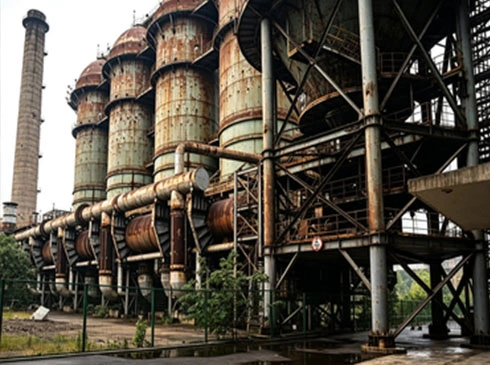
When you work in a blast furnace, you have to deal with some of the worst working situations you can imagine. The hearth and lower stack are exposed to liquid-iron temperatures of more than 1,500°C. The cooling staves are constantly heated and cooled and are attacked by chemicals from the iron and slag. High-pressure hot blast is pumped into this unstable environment by the tuyeres, and metal and slag are constantly discharged from the taphole region. Each zone has its own failure modes that can get worse very quickly.
The Limitations of Manual Inspection
In traditional safety procedures, shift workers check things visually and take manual readings of the temperature at set times. This method leaves dangerous gaps in the scope of tracking. Operators can't see patterns of refractory wear in the furnace lining or notice that cooling circuits are slowly becoming thermally imbalanced. They use small devices to measure surface temperatures, so they miss the important data points that are buried inside the boiler.
At most, manual inspections happen every few hours, which leaves huge gaps of time during which problems can happen without being noticed. A cooling stave leak could start out as a small amount of water leaking that you couldn't see, but within hours it could cause hydrogen to build up or boil in one area. The damage has already been done a lot by the time workers see surface signs.
Historical Incidents and Regulatory Response
In the past few years, there have been a number of serious blast furnace accidents around the world. Molten metal has leaked through hearth burn-throughs, cooling wall explosions have damaged and hurt people, and tuyere failures have caused long unplanned shutdowns. The main cause that keeps coming up in investigations is that hazards weren't found right away.
In response, regulatory bodies in the US and around the world have made it mandatory for big ironmaking plants to have full tracking systems. The Occupational Safety and Health Administration stresses that employers are responsible for finding and controlling hazards, while environmental groups demand that emissions be constantly checked. Compliance now needs safety data that is automatically generated and can be checked, which can't be done by hand.
What Is an Integrated Safety Monitoring System for Blast Furnaces?
A high-tech burner tracking system combines several specialised technologies into a single safety platform. Instead of using different tools that workers have to figure out on their own, the system makes a full digital picture of the conditions inside the furnace.
Core Sensor Technologies
Monitoring the safety of a heater with the Integrated Safety Monitoring & Early Warning System for Blast Furnace starts with measuring the temperature. Thermocouples built into the refractory lining track changes in temperature, and fiber optic bands provide widespread sense along important structural parts. Before surface temperatures rise noticeably, these sensors can find hot spots that mean the refractory is breaking down or the cooling system is failing.
Sensors that measure pressure and flow keep an eye on the cooling water channels that keep the furnace walls from getting too hot and breaking. The system figures out the difference in temperatures between the streams coming in and going out, and it immediately alerts the user to any strange patterns that could mean there is an internal leak or blockage. Acoustic emission sensors find cracks in refractory materials that are caused by stress, which lets you know early on when a structure is breaking down.
Gas monitoring equipment constantly checks the off-gas composition from the furnace and looks for carbon monoxide or hydrogen leaks in tight areas around the equipment. Vibration sensors on mechanical parts like blast equipment find structural or bearing wear that could cause the part to stop working.
Data Integration and Analytics
Through centralized processing, raw sensor data is turned into intelligence that can be used. Every minute, the tracking platform collects thousands of data points and uses complex algorithms to find out when standard working patterns aren't being followed. Machine learning models that were taught on past boiler campaigns can spot small problems before they happen that humans might miss.
Three-dimensional visualization tools rebuild the furnace's internal thermal state. These tools show operators exactly where refractory erosion has happened and estimate how long the furnace will last. This feature of the digital twin turns vague sensor readings into easy-to-understand graphs that help people make quick decisions.
Automated Alert and Response
When the system sees that conditions are getting close to dangerous levels, it sends out multiple levels of warnings. Small deviations cause logged alerts that engineers can look over, while big problems immediately set off audiovisual sounds in the control room and send push messages to mobile devices. Critical safety prompts can talk directly to process control systems to start safety measures like changing the blast rates or starting emergency cooling.
Benefits of Early Warning and Integrated Safety Systems in Blast Furnace Operations
When full monitoring is put in place, safety management changes from responding to fires to proactively reducing risks. There are benefits in terms of operations, finances, and regulations.
Accident Prevention and Personnel Safety
Finding dangerous situations as soon as they start can save lives and keep people from getting hurt. If the system notices a cooling water leak starting to form, maintenance teams can arrange fixes for when the system is not being used, rather than having to deal with an emergency failure. Operators get enough warning to get out of dangerous areas before disasters happen, which greatly reduces their exposure to situations that could kill them.
People don't have to go into high-risk places for regular inspections because of the constant monitoring. No longer do workers climb up into furnaces to check temperatures by hand or look at equipment in places with high temperatures and poisonous gases. This cut in exposure hours directly lowers the number of injuries that happen at work.
Operational Efficiency and Equipment Longevity
One of the most expensive things that can happen in steel production is an unplanned shutdown. The Integrated Safety Monitoring & Early Warning System for Blast Furnace increases the time between major overhauls by adjusting when to do maintenance based on the real state of the equipment instead of set schedules. When a forced blast furnace stops working, it can cost hundreds of thousands of dollars every day in lost production, fixes, and the time it takes to start up again.
With predictive maintenance, technical teams can buy replacement parts ahead of time and arrange repairs for times when maintenance is supposed to happen. This strategic approach keeps production from stopping too often and keeps the cost of fast shipping for emergency parts low. Engineers can improve charging and cooling methods to make linings last longer by using the system to track refractory wear patterns.
Regulatory Compliance and Risk Management
Documentation of constant safety tracking meets the needs of regulations that are getting stricter. There are full audit trails created by the system that show that workers kept an eye on important safety factors during production campaigns. This paperwork is very helpful during regulatory inspections and investigations into incidents.
Insurance companies know that improved tracking lowers risk, so they often offer lower rates to businesses that have certified safety systems. The measurable rise in safety performance helps the company's risk management goals and boosts trust among stakeholders.
How to Choose the Right Blast Furnace Safety Monitoring System?
To choose the right tracking solution, you need to carefully look at the technical skills, the qualifications of the provider, and the long-term support options. This choice will have long-lasting effects on safety and operational efficiency for many years to come.
Technical Specifications and Performance
The most important thing is that sensors work accurately and reliably in harsh circumstances. At furnace temperatures, temperature sensors must keep their calibration accuracy within 0.5%, and pressure detectors must work reliably even when they are exposed to dust, shaking, and electromagnetic interference. Check that the suggested hardware has the right ingress protection ratings (at least IP66 or IP67) for tough industrial settings.
When monitoring conditions that change quickly, the speed at which data is collected is very important. The system should record important parameters every few seconds and process this stream of data without any lag. To give effective warning times, alerts must be sent within milliseconds of benchmark violations.
Integration and Scalability Considerations
Modern steel mills use a lot of different methods that work together. Existing distributed control systems, programmable logic controllers, and enterprise resource planning software must be able to talk to the monitoring platform without any problems. Standard industrial protocols like OPC UA, Modbus TCP, and Profibus are supported to make sure compatibility without having to do a lot of custom code.
Scalability lets the system grow as the building does. Starting with the most important safety functions and then adding predictive analytics or more tracking should cause the least amount of trouble. Cloud-based data storage and analysis make it possible to run operations from more than one location and get help from experts far away.
Vendor Qualifications and Support Services
When choosing a supplier, it's not just about the product specs; technical knowledge and service promises are also important. Established suppliers have a track record of putting plans into action for a wide range of boiler types and working conditions. Look at case studies and customer references from factories that make the same amount of things and have the same process problems.
Full help after the sale is necessary to get the most out of the system. People who work in operations and maintenance should be taught how to read system results and do regular repair as part of their training. Technical support must be available quickly, because problems with safety systems can't wait until normal business hours. Before making a purchase choice, you should carefully look over the warranty coverage, spare parts availability, and software update policies.
Leading Industry Solutions and Trusted Suppliers
Monitoring the safety of blast furnaces has become a much more mature market, with a number of specialised companies offering high-tech solutions. More and more, technological progress is pushing the limits of what these systems can do.
SMEC's Comprehensive Safety Monitoring Platform
Working with some of the best metalworking research centers, SMEC created its Integrated Safety Monitoring & Early Warning System for Blast Furnace. The platform combines eight different monitoring subsystems into a single system that gets rid of data silos and gives full visibility into the situation.
The system collects data continuously from temperature monitors, cooling water circuits, measuring thermal load, tracking refractory erosion, checking the state of the tuyere and taking pictures of the top of the furnace at high temperatures. Advanced three-dimensional modelling algorithms rebuild the furnace's internal operational state. This lets operations teams see risks that they couldn't see before. When conditions get close to being dangerous, the system sends out a series of warnings through a variety of channels, such as audiovisual sounds and mobile app alerts.
This thorough method gets around the main problems with manual inspection by giving automatic surveillance 24 hours a day, 7 days a week, with a level of accuracy that is far beyond what humans can do. The system meets strict standards for governmental acceptance and makes a real difference in how safe it is to use and how reliable it is to run. SMEC's implementation is based on the company's many years of experience designing heavy industrial tools and its well-established production skills in Taiyuan, Shanxi Province.
Innovation Trends and Future Developments
Artificial intelligence and edge computing are being used to improve prediction in the cutting-edge of burner tracking technology. Next-generation systems use neural networks to look at huge amounts of past data and find small pattern pairs that happen before equipment breaks down. Through operational learning, these systems keep getting better at being accurate, making them more useful over time.
Wireless sensor networks make installations easier and let you monitor places that weren't possible before. Energy-harvesting technologies power sensors that don't need batteries and can keep working forever without any upkeep. This makes complete instrumentation more economically feasible. Augmented reality interfaces improve visualisation, letting operators put real-time sensor data on top of physical equipment during inspections. This connects the digital and physical operational environments.
Conclusion
The needs for blast furnace safety have grown beyond what can be done with human tracking alone. Modern ironmaking is very complicated and has a lot of risks. Because of this, it needs constant automated tracking that can spot new risks before they become problems. As well as keeping employees safe, preventing expensive unplanned outages, and making sure that regulations are followed, an integrated monitoring tool also helps improve the performance of equipment using data. As rules and demands for operations get stricter, full safety systems have gone from being competitive benefits to operational necessities. When facilities engage in monitoring technology that has been shown to work, they set themselves up for safe production and operational success in an industry that is becoming more and more demanding.
FAQ
What makes integrated monitoring superior to standalone safety instruments?
Single-use tools give you data points that can't be analyzed in the context of other data. Multiple parameters are linked in an integrated system to find complex failure patterns that a single sensor can't pick up. A small rise in temperature might not be a big deal by itself, but it becomes a big deal when it's accompanied by changes in pressure and flow rate, which are signs that the cooling system is failing.
Can monitoring systems be installed on operating blast furnaces?
Modern systems allow retrofitting to happen during planned repair periods without needing to be shut down for long periods of time. Sensor configurations that don't get in the way and wireless connection choices keep installation problems to a minimum. Our tech team plans implementations to work with your repair schedule so that they have the least possible effect on output.
How long does the system provide advance warning before critical failures?
Warning times depend on the type of danger. For structural risks like hearth erosion, you have two to four hours to deal with immediate threats and three to six months to plan for long-term upkeep. Unexpected events, like cooling leaks, send out alerts within minutes of being found, giving people enough time to take safe action.
What maintenance does the monitoring system require?
A full tuning check once a year makes sure that the accuracy stays high. The system constantly checks itself to see if there are any problems with communication or sensor drift. Updates to software and improvements to algorithms are made remotely with little impact on operations.
Partner with SMEC for Advanced Blast Furnace Safety Solutions
With their knowledge of metals and advanced technical skills, SMEC provides tried-and-true Integrated Safety Monitoring & Early Warning System for Blast Furnace setups. Through clever analytics and the merging of multiple sensors, our systems solve all of the safety problems that come up with furnaces. We offer full support from system design to installation and ongoing service. Our manufacturing facilities cover 68,700 square meters, and our technical team is made up of 30 senior engineers. As a well-known provider of industrial safety monitoring equipment, we know how important it is for large-scale steel production to meet strict performance standards. Get in touch with our International Trade Department at project@smec.cc to talk about how our tracking services can help your building be safer and run more smoothly.
References
1. American Iron and Steel Institute. (2021). Blast Furnace Ironmaking: Safety and Environmental Management Practices. Washington, DC: AISI Technical Publications.
2. Chen, Y., & Zhang, L. (2020). Advanced Monitoring Technologies for Metallurgical Process Safety. Metallurgical Industry Press.
3. International Iron and Steel Institute. (2019). Best Practice Guidelines for Blast Furnace Operations and Safety Systems. Brussels: IISI Safety Committee Report.
4. National Institute for Occupational Safety and Health. (2022). Hazard Assessment and Control in Primary Metal Industries. DHHS Publication No. 2022-145.
5. Smith, R.J., & Thompson, P.A. (2021). Predictive maintenance strategies for blast furnace cooling systems. Journal of Iron and Steel Research International, 28(4), 412-425.
6. Wang, H., Liu, Q., & Zhou, M. (2020). Digital twin applications in ironmaking process control and safety management. Ironmaking and Steelmaking: Processes, Products, and Applications, 47(8), 891-903.
Free consultation & volume discounts available
SEMC focuses on the entire metallurgical process—from coking, ironmaking, and steelmaking to continuous casting and rolling. Whether you face challenges related to equipment upgrades, energy efficiency optimization, or overall process transformation, please fill in the following information. Our technical team will provide you with tailor-made high-end equipment upgrade solutions and professional EPC design services to help your project be implemented efficiently.