What Is Modular Revamping for Blast Furnaces?
Understanding Modular Revamping for Blast Furnaces
- Understanding Modular Revamping for Blast Furnaces
- The Modular Revamping Project Lifecycle: Step-by-Step Guide
- Modular Revamping vs. Traditional Blast Furnace Upgrades: Making the Right Choice
- Procurement Insights: How to Source Modular Blast Furnace Revamping Solutions?
- Challenges and Risk Management in Modular Revamping Projects
- Conclusion
- FAQ
- Partner with SMEC for Your Modular Blast Furnace Revamping Project
- References
In the steel industry today, the Modular Revamping Project for Blast Furnaces is an advanced engineering method used to improve important furnace parts by putting together standard units that are already put together. This way of doing things completely changes how metallurgical plants do technical repairs. Instead of stopping everything for months, modular revamping focuses on specific furnace parts like cooling staves, refractories, shell sections, or automation systems. This lets for planned, small improvements that keep production going while delivering measurable performance gains.
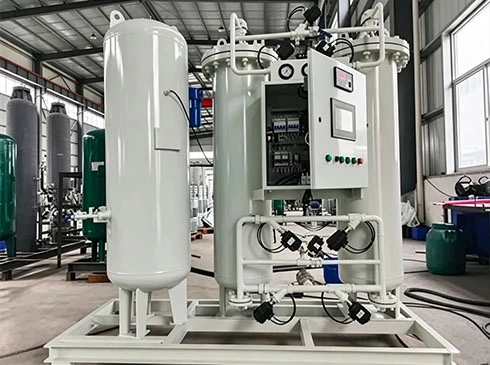
Understanding Modular Revamping for Blast Furnaces
The idea changes the way renovations are usually done by breaking down complicated furnace systems into doable, separate upgrade pieces. This method has changed the way that integrated steel mills and coking plants do maintenance cycles. Instead of the "all-or-nothing" approach that was common in earlier furnace overhauls, modular methods let plant engineers focus on specific problems or old parts that need attention. This is where they can get the most benefit.
Core Components and System Architecture
With modular blast furnace renovation, the whole building is split into separate functional zones. The furnace shell module takes care of issues with structure stability, and the cooling system modules use advanced copper or cast iron staves that are made for better heat management. Refractory inner modules use carbon-microporous materials that can handle temperatures inside that are higher than 1500°C. Dust collection and gas cleaning modules work with the system you already have, so you don't have to replace the whole system to meet environmental standards. Automation and monitoring tools add digital intelligence to operations, letting them improve performance in real time and plan for future repair needs.
Targeted Enhancement vs. Complete Overhaul
Surgical accuracy is what makes this process unique. When thermal imaging finds inefficient cooling in a certain heating zone, only that part needs to be fixed. Components that work continue to work, protecting the money that was spent on equipment that continues to meet performance standards. This targeted method gets rid of the waste of resources that comes with standard full rebuilds, where good systems are thrown out because they're not part of the idea of a complete renovation.
Digital Integration and Advanced Materials
3D laser scanning is used in modern modular renovation to make digital twins of old furnace foundations. This makes sure that new modules fit perfectly with older structures and that the limits for size stay within ±2 mm for parts that weigh hundreds of tonnes. CNC machining makes it possible to make shell parts and cooling elements with a level of accuracy that wasn't possible with traditional on-site production methods. The controlled workshop setting where modules are pre-assembled ensures quality standards that are higher than what can be achieved during construction on-site.
The Modular Revamping Project Lifecycle: Step-by-Step Guide
A structured path for Modular Revamping Project for Blast Furnace that minimises risks and maximises practical gains is needed for implementation to go well. Each step builds on the ones that came before it, making a complete framework that covers all the technical, logistical, and financial issues that procurement managers have to deal with.
Initial Assessment and Feasibility Analysis
The first step in the process is a full diagnostic evaluation. Our engineering teams use non-destructive testing methods like ultrasonic inspection to check the integrity of the shell, thermal imaging to check the performance of the cooling system, and refractory wear analysis to check the condition of the furnaces. This data-driven evaluation shows which parts need quick attention and which ones can keep working. Metallurgical companies can make better decisions when they can see exactly how their equipment is doing instead of guessing how long it will last or looking at repair schedules.
Custom Design and Engineering
After evaluating, design teams create flexible solutions that are tailored to the needs of each operation. A coke maker that supports blast furnace operations might focus on greater cooling capacity to support higher production rates. On the other hand, an EPC contractor in charge of a turnkey project might focus on standard modules that make it easier to coordinate installation. When engineers make plans, they take into account things like how to get to the boiler, how much weight can be lifted, and what electrical lines are already there. This customisation makes sure that modules work well together even if each facility is different.
Strategic Procurement and Supplier Selection
Sourcing choices affect the success of a project. Professionals in procurement look at possible providers based on their production skills, quality certifications, and technical support systems. Modules will be able to handle high working pressures if the suppliers are ISO 9001 certified and have shown they know how to weld to AWS D1.1 standards. The supplier can do a test assembly at their facility before shipping to make sure the dimensions are correct and the interfaces work with each other. This keeps expensive changes from having to be made during installation.
Installation and Commissioning
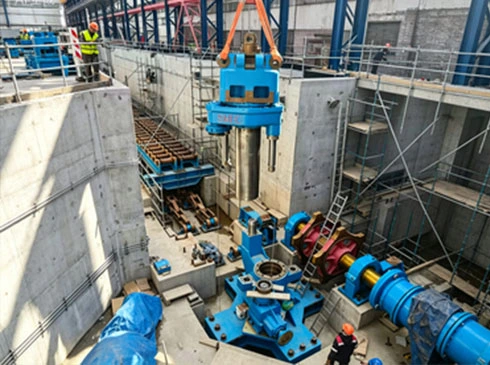
Specialized tools, such as self-propelled modular transporters, are used for module installation. These transporters can move multi-ton assemblies with millimetre accuracy. Phased execution plans make sure that installation work doesn't interfere with production windows, which keeps furnace downtime to a minimum. Traditional craft-based building crews are less efficient at getting work done than installation teams that are trained in standard processes. Transport that is monitored for vibrations and special bracing protect refractory linings while they are being handled. This makes sure that materials get to installation places in the right state. Systematic commissioning protocols check the performance of modules before putting them back to full operational duty.
Performance Monitoring and Continuous Improvement
After the system is set up, it has built-in tracking systems that keep an eye on important performance factors like thermal efficiency, cooling water flow rates, gas composition, and structure temperatures. This information helps make predictive repair plans and finds ways to make things even better. Because by-product recovery systems need tight process control, these analytics are especially helpful for chemical and coal processing plants. Plant engineers can understand data and make changes when parameters move out of the ideal ranges with the help of ongoing expert support from equipment providers.
Modular Revamping vs. Traditional Blast Furnace Upgrades: Making the Right Choice
Investment decisions are based on knowing the comparative economics and operational implications. The differences between the methods go beyond the initial cost of cash and include the total cost of ownership, the ability to keep making things, and the ability to change plans as needed.
Downtime and Production Impact
For traditional full overhauls of the Modular Revamping Project for the Blast Furnace, buildings have to be shut down for 60 to 90 days while contractors take them apart and build new ones from the foundation up. During this long time, no steel is made at all, which means that a lot of money is lost that is usually more than made up for in direct repair costs. By doing the manufacturing off-site while the furnace is running, modular methods shorten the critical path to 10 to 30 days. With staged implementation, production can keep going for most of the renovation cycle, with only short breaks for installing modules. This 40–60% drop in downtime immediately means that revenue stays the same and customer supply promises are kept.
Cost Structure and Return on Investment
Modular engineering and pre-fabrication cost more up front than traditional field building, but the math changes a lot when you think about how much money you save on lost production. Take a mid-sized blast furnace that makes 5,000 tonnes of steel every day. Every week of downtime that is avoided saves 35,000 tonnes of production capacity. In this situation, the extra cost for flexible completion is almost nothing. Selective module replacement gets rid of the need to spend money on parts that still work, which lowers the overall cost of the project even more. Integrated steel mills say that flexible repairs pay for themselves 30 to 50 percent faster than standard rebuilds.
Technical Performance and Reliability
Standardised manufacturing in a workshop produces better quality than building in the field. Welds are tested with x-rays and sound waves in controlled settings, and the rate of defects is kept below 0.5%. Before they are installed, cooling stave assemblies are tested for stability using hydrostatic pressure at 1.5 times the working pressure. Refractory materials cure in ideal conditions, not in the changing conditions of a job site. These quality benefits mean that the service will last longer and need less unexpected repair. When compared to standard relining, modular repairs at coking plants have led to 15–25% longer campaign lengths.
Scalability and Future-Proofing
Modular design naturally supports adding new features in small steps. When the market calls for more production, adding more modules increases the furnace's capacity without replacing the whole system. Modules in the cooling system can be upgraded to handle more heat. As new digital technologies get better, automation units add them to their systems. This incremental method matches the use of capital with the growth of the business instead of needing big one-time investments based on uncertain long-term predictions. This freedom is especially useful for energy and environmental projects, since pollution control rules get stricter over the course of a facility's lifetime, which can last decades.
Procurement Insights: How to Source Modular Blast Furnace Revamping Solutions?
If you don't choose the right modular revamping project for a blast furnace provider, your projects may not deliver the benefits you expected or may turn into expensive lessons in how not to do sourcing. Critical evaluation factors separate partners who are capable from vendors who don't have the technical or organisational skills to carry out complex upgrades in factories.
Supplier Technical Capabilities
First, look at the technical tools. Does the seller have furnace experts on staff who can do design work and understand the thermodynamics, structural physics, and metallurgical needs of a blast furnace? Technical staff with senior engineer credentials have experience keeping expensive design flaws from happening. Look at the portfolios of suppliers for projects with similar size and difficulty. International sellers of industrial tools need suppliers who have successfully completed large-scale projects in the past, because their clients count on them to do a good job. Infrastructure for manufacturing is just as important. Heavy-duty machining centers, automated welding systems, and assembly areas just for big modules are all signs that a facility's production capacity meets the needs of the project. Quality inspection tools, such as NDT equipment, physical measurement systems, and material testing labs, make sure that everything is checked carefully before it is shipped. When suppliers give views of their facilities, they are being open and honest, which boosts procurement trust.
Certification and Compliance Standards
Check the quality control certificates that are important for Modular Revamping Project for Blast Furnace pressure tools and building structures. ISO 9001 sets the standard for quality systems, and ASME approval for pressure components shows that a company can handle important safety factors. The AWS D1.1 welding certification makes sure that the joining processes meet the standards for structural stability. For foreign projects, CE marking or regional approvals that are similar make sure that the rules are followed. Coal chemical plants that recover by-products need sellers who know more than just basic building rules when it comes to process equipment.
Cost Transparency and Project Budgeting
Ask for detailed cost breakdowns that separate the parts that involve engineering, materials, fabrication, shipping, and installation. Knowing where the money for a project goes can help you find ways to save money and avoid unexpected costs going up. Module prices depend on the materials used. For example, copper cooling staves are more expensive than cast iron alternatives, but they perform better thermally and last longer. It depends on how easy it is to get to the site and what infrastructure is already there. Full budgets include help with launching, training, and getting the first set of extra parts. Financing should match the patterns of industrial capital expenditures. Setting up longer payment schedules that are tied to project milestones makes it easier to manage flow. Some suppliers offer performance-based payment plans where the last amounts depend on meeting certain operational measures. With these agreements, both the buyer and the provider have an interest in the project's success.
After-Sales Support and Warranty Provisions
When buying industrial tools, long-term relationships are important. Check to see how committed the supplier is to providing support after the installation through technical hotlines, regional service centers, and field service capabilities. Plant workers learn how to do their jobs through thorough training programs. Warranty terms that cover materials, workmanship, and performance guarantees protect you financially against failures that happen before they should. Leading providers offer long-term service contracts that include regular checks, preventative maintenance, and faster access to extra parts. Documentation quality reflects organizational maturity. Long-term asset management works best with detailed operation and repair instructions, parts catalogues with easy-to-understand naming systems, and as-built drawings. Digital paperwork platforms with searchable databases and video training material make operations that are spread out more accessible.
Challenges and Risk Management in Modular Revamping Projects
Even though modular blast furnace renovations have methodological benefits, they also come with their own problems that need to be dealt with ahead of time. By identifying possible problems during the planning stages, they can't throw off project schedules or budgets while the work is being done.
Interface Compatibility and Legacy Integration
To fit new units onto furnace supports that were built decades ago, precise measurement control is needed. Because of thermal deformation, settlement, or changes that haven't been recorded, legacy structures often don't match the original drawings. Using 3D laser scanning to do site studies before installation lets engineering teams see how things really are, so they can change how modules connect to each other. Suppliers who have worked on brownfield repairs before know about these problems and plan for them by including adjustable connection points and shims in the designs of their modules.
Logistics and Heavy Transport Coordination
Moving 500–1000-ton module assemblies from places where they are made to places where they are used requires special knowledge of how to move and rig them. Route studies show where there are limits on clearance, bridge loads, and problems with overhead utilities. Self-propelled modular transporters can turn corners that regular trucks can't, but they need to be driven by people who know what they're doing. Logistics puzzles are hard to solve because they involve coordinating the timing of transport with the availability of lifting equipment, installation crews, and production schedules. Adding buffer time to project schedules lets for expected coordination delays without affecting tasks that are on the critical path.
Environmental and Safety Compliance
Renovations to blast furnaces for the Modular Revamping Project for Blast Furnace involve working in hot places, lifting heavy things close to moving parts, and working in tight spaces, all of which are inherently dangerous. Full safety management plans include finding hazards, making sure workers have the right safety gear, planning for emergencies, and teaching workers how to be safe on the job. Environmental compliance includes more than just controlling emissions. It also includes managing trash from refractories that are taken away, treating cooling water during hydrostatic testing, and keeping hydraulic fluids in heavy equipment from spilling. EPC companies who are in charge of turnkey projects need suppliers with strong safety cultures and environmental management systems.
Skilled Labor Availability
While modular approaches require less overall work, they do need specific skills in module positioning, high-tolerance assembly, and precise welding. In some areas, there aren't enough qualified people to fill jobs. This danger is lessened by suppliers who have travelling installation teams or relationships with well-known rigging companies. When compared to traditional field construction, which needs a larger craft workforce, pre-assembled modules don't rely as much on people with specific skills.
Dealing with these problems through careful planning, working with experienced partners, and following organised risk reduction practices sets projects up for success. Getting engineering and operations stakeholders involved early on in the procurement process makes sure that the specifications take into account the limitations of the site while keeping realistic expectations for the schedule and budget.
Conclusion
Modular blast furnace refurbishing is a big change in how the steel and metallurgical businesses update their most important assets. This method keeps production going while providing better technical performance and appealing project costs. It does this by replacing long shutdown periods with targeted, pre-fabricated updates. The structured process, which goes from assessment to approval, makes it easy for procurement workers to handle big remodelling projects. To get the most out of modular renovations and build relationships that will last for decades, it's important to carefully choose suppliers based on their technical skills, certifications, and long-term support promises.
FAQ
What timeline should we expect for a complete modular blast furnace renovation?
The length of a project is split into stages that happen off-site and on-site. Engineering and making the modules usually take 8 to 12 months, but this depends on how complicated the project is. The furnace has to be shut down for only 10 to 30 days for most projects, which is a lot less time than the usual 60 to 90 days for a full overhaul. Installations are spread out over several short shutdowns during phased implementations, which further reduces the impact on production.
How do modular upgrades improve operational efficiency?
More advanced cooling systems keep temperature profiles more stable, which lets more be made at once and makes refractory last longer. Integrated automation modules improve the quality of the product and the amount of fuel used by optimizing process parameters in real time. Better gas cleaning systems get more energy back from top gas while also meeting stricter environmental rules. When compared to older methods, changes usually lead to 8–15% higher efficiency.
Can modules be customized for different furnace sizes?
The concepts of modular construction can be used for any size of building, from small merchant furnaces to big integrated mill operations. Engineering teams put together modules that meet specific needs for capacity, area, and operating goals. Because modular revamping can be customised, it can be used to improve a single furnace or to apply standard solutions across multiple sites in a company network.
Partner with SMEC for Your Modular Blast Furnace Revamping Project
SMEC has a track record of success as a modular revamping project for blast furnace suppliers to integrated steel plants, coking operations, and EPC companies around the world. Our 68,700-square-meter facility in Taiyuan City, China's main heavy industry hub, has advanced manufacturing capabilities that allow us to deliver precision-engineered modules that meet the strictest operational requirements. Our 168-person engineering team, which includes 30 top engineers, works with clients from the first review to commissioning and beyond. We keep strict quality standards throughout the whole production process. Full NDT testing and trial assembly checking make sure that the dimensions are correct and the structure is solid. Get in touch with our team at project@smec.cc to talk about your specific renovation needs and find out how our modular solutions can help you cut down on downtime, keep costs low, and improve furnace performance for years to come.
References
1. International Iron and Steel Institute, "Advanced Blast Furnace Maintenance Strategies and Modular Renovation Techniques," Metallurgical Equipment Review, 2022.
2. Chen, W. and Zhou, L., "Comparative Analysis of Traditional and Modular Blast Furnace Relining Methods: Economic and Technical Assessment," Journal of Industrial Engineering, Vol. 45, 2021.
3. American Society of Mechanical Engineers, "ASME Standards for Pressure Components in Blast Furnace Cooling Systems," Technical Standards Publication, 2023.
4. European Steel Technology Platform, "Best Practices in Blast Furnace Campaign Life Extension Through Targeted Module Replacement," Industry Technical Report, 2020.
5. Thompson, R., "Digital Twin Technology Applications in Heavy Industrial Equipment Pre-Assembly and Site Integration," Advanced Manufacturing Quarterly, 2022.
6. World Steel Association, "Environmental Compliance and Emission Reduction Technologies in Modern Blast Furnace Operations," Sustainability in Steel Production, 2023.
Free consultation & volume discounts available
SEMC focuses on the entire metallurgical process—from coking, ironmaking, and steelmaking to continuous casting and rolling. Whether you face challenges related to equipment upgrades, energy efficiency optimization, or overall process transformation, please fill in the following information. Our technical team will provide you with tailor-made high-end equipment upgrade solutions and professional EPC design services to help your project be implemented efficiently.