What Equipment Is Included in Blast Furnace Cast House?
Overview of Blast Furnace Cast House Equipment
- Overview of Blast Furnace Cast House Equipment
- Operation and Maintenance Service for Blast Furnace Cast House Equipment: Importance and Benefits
- Common Issues and Preventive Maintenance for Cast House Equipment
- How to Select and Hire O&M Service Providers for Blast Furnace Cast House Equipment?
- Contracting and Procurement of O&M Services for Blast Furnace Cast House Equipment
- Conclusion
- FAQ
- Partner with SMEC for Reliable Cast House Equipment Solutions
- References
The cast house in the blast furnace is where the liquid iron and slag meet the precise engineering. Specialised equipment handles tapping tasks, moving materials, and keeping the environment safe in this high-risk area, which is under a lot of mechanical and heat stress. Mud- and gung hydraulic systems, taphole drilling machines, slag- and blocking devices, tilting runners, ladle transfer cranes, trough- and lining- and maintenance tools, dust- and extraction fans, hydraulic pump stations, industrial control instrumentation, high-temperature electrical cabinets, and extra tapping tools are some of the most important parts. Proper O&M service for blast furnace cast house equipment guarantees that these important assets continue to operate without interruption despite constant exposure to radiant heat above 1,500°C, abrasive slag particles, and harsh chemical environments.
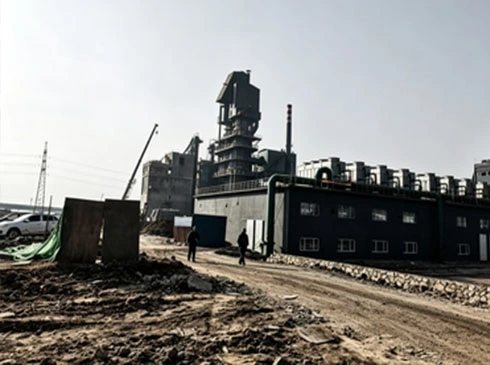
Overview of Blast Furnace Cast House Equipment
Primary Tapping Equipment and Workflow Integration
To understand the cast house, you must first know how the metal melts in the furnace and then flows into the ladle. To start the iron discharge process, taphole drilling machines go through the refractory lining. After each cast, mud guns use clay mixtures injected under hydraulic pressure to seal the opening. For these tasks, millimeter-level accuracy is needed; a late seal could cause the boiler to lose pressure, while an early closure could cause iron to build up inside and the walls to burn out.
Molten iron and slag are directed into separate collection vessels by tilting runners. Copper elements that are cooled by water and automatic angle adjustments are used in modern designs to reduce splashing and improve separation efficiency. Ladles weighing up to 150 tonnes are moved around the plant by cast house cranes, which need strong structures and fail-safe stopping systems. The actual arrangement puts these parts together in a way that makes the whole process work together smoothly. If there are any timing problems, they can cause hundreds of tonnes of production to be lost.
Hydraulic Systems and Environmental Control
High-pressure lines that work at 16–25 MPa power mud guns, drilling tools, and runner actuators through hydraulic pump stations. These systems have special problems, like hydraulic fluid breaking down when the temperature outside gets close to 60°C, flying dust particles smaller than 5 microns polluting the system, and seal wear from spinning constantly under different loads. Instead of being options, advanced filter units and temperature control become expenses that can't be skipped.
Negative pressure is kept across the cast-iron house floor by dust-extraction fans. These fans collect fumes that contain iron oxides, sulfur compounds, and particulate matter before they damage the air quality or the electronics. Ventilation systems that are the right size can move more than 100,000 cubic meters of air per hour and can handle thermal expansion stresses that would bend regular ductwork. To keep the programmable logic controllers that run automated processes safe, electrical control rooms that are close to hot spots need ceramic insulation and forced-air cooling.
Operation and Maintenance Service for Blast Furnace Cast House Equipment: Importance and Benefits
Why Professional Maintenance Matters?
Engineers call the places where cast house equipment works "Level-1 hazardous continuous-duty environments." Parts are subjected to temperature changes of 200°C to 1,600°C in a single shift, shock loads of more than 50g during emergency stops, and chemical attack from slag vapors that are high in alkali. The risk of failure for this harsh task cycle is three times higher than for similar equipment in rolling mills or finishing lines.
There are a lot of problems that traditional in-house repair teams have with the O&M Service for Blast Furnace Cast House Equipment. Inspection procedures often miss early signs of hydraulic seal wear that are hidden in complicated pipe systems. When specialized techs have to drive from central workshops to furnace sites that are far away, the time it takes to fix an emergency is too long. Most importantly, the lack of workers trained in high-risk hot work procedures causes scheduling problems that push off preventative tasks until major problems happen and shut down the plant without warning.
Instead of fixing problems after they happen, professional repair services use predictive strategies to deal with these weaknesses. Thermal imaging can find motors that are getting too hot before the seals break. Vibration research can find worn bearings in crane drives weeks before they can be heard. Oil sampling shows how hydraulic fluid breaks down over time, which helps with timing fluid changes and keeping valves clean, which can affect how well a mud gun works.
Tangible Benefits for Procurement Decision-Makers
Putting money into certified maintenance partnerships pays off in a number of ways that can be measured. When proactive maintenance is done instead of reactive fixes, equipment lasts 40–60% longer, which means that capital expenditures on new equipment are delayed. Unplanned downtime drops by almost 70%, which keeps the furnace's temperature stable and keeps it from having to go through the energy-intensive restart sequences that happen after emergency shutdowns.
Structured programs that include lockout/tagout routines, confined space entry procedures, and personal protective equipment standards that are in line with OSHA and MSHA rules make safety compliance much better. For EPC companies in charge of turnkey projects, keeping written records of upkeep makes it easier to get approvals for completion and meets warranty requirements that protect project margins. International equipment distributors can stand out from their competitors by selling hardware along with maintenance services. This eases customers' concerns about the hardware's long-term usability in markets that are far from manufacturing hubs.
Common Issues and Preventive Maintenance for Cast House Equipment
Typical Failure Modes and Troubleshooting Approaches
Breaking a taphole drill is still the most common emergency. This is usually caused by eccentric loading, which happens when operators misalign the machine or run into hardened skull formations in the furnace wall. Checking the consistency of the hydraulic pressure, checking the concentricity of the drill bit, and checking the state of the thrust bearing are all immediate fixing steps. Repeated failures are a sign of deeper issues, such as uneven refractory lining, insufficient drill cooling, or hydraulic cylinder shift that needs to be calibrated.
When something is wrong with a crane, the hoist speed changes randomly, the brakes slip while the load is being moved, or the motor suddenly overheats. Root reasons include brake pad surfaces that are dirty and worn-out rope sheaves, as well as controller logic mistakes caused by electromagnetic interference from arc welding. The diagnostic process starts with using approved weights to test the load, then moving on to checking the electrical insulation on the motor windings, and finally reviewing the PLC code when all the mechanical parts pass inspection.
As hardened material builds up along the walls of the trough, slag runner jams slowly form. These blockages lower the flow capacity until there is no more room for air to flow and emergency oxygen lancing is needed to clear the channel. This disturbing action hurts resistant linings and causes casts to be put off for longer. Some ways to stop this from happening are to keep an eye on the temperature to find any unusual cooling patterns that cause the refractory to solidify too quickly, measure its thickness regularly using ultrasonic tools, and change the troughs at regular intervals based on the amount of work they've done instead of just picking any old time.
Structured Preventive Maintenance Protocols
As part of daily tasks for the O&M Service for Blast Furnace Cast House Equipment, operational readiness checks are carried out. For example, hydraulic hoses are visually checked for wear or weeping, the consistency of the mud gun clay is confirmed, the crane limit switch is tested, and the differential pressure in the dust collector is recorded. These 15-minute walkthroughs find obvious problems before shift changes make it hard to talk to each other.
Every week, tasks get more into parts that wear out quickly. When lubricating crane wheels, drilling machine gears, and running pivot bearings, make sure to follow the manufacturer's instructions for the type and amount of grease to use. Too much grease can cause dust to build up, while too little grease speeds up friction wear. Checking the hydraulic filter element shows how clean the system is getting; if the pressure drop goes above 0.3 bar, it means the filter needs to be replaced.
Inspections that are too intrusive to do during production efforts can be done once a month. Gauging the bore of a mud gun nozzle finds erosion that makes sealing less effective. Thermal screening of an electrical box finds connections that are loose and causing resistive heating. The study of pump station oil checks for viscosity breakdown, water contamination, and metal particle concentration. This helps decide whether to replace the fluids or flush the system.
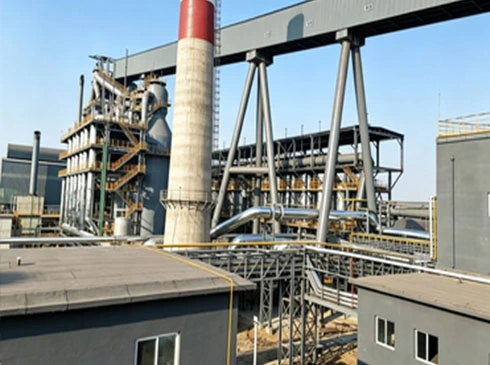
How to Select and Hire O&M Service Providers for Blast Furnace Cast House Equipment?
In-House Versus Outsourced Service Models
Large integrated steel mills often have repair workers that are only responsible for that spot and know how the machines work and how they are set up. This method gives you the most control over the schedule and protects the institutional knowledge that you've built up over years of observing furnace quirks. But staffing costs go up whether the equipment works well or needs a lot of attention, and there are knowledge gaps in specialised areas like diagnosing hydraulic systems or setting programmable controllers.
These tasks are given to specialized service providers through outsourced service contracts. These providers spread the costs of teaching technicians across many client sites. Providers keep important extra parts like hydraulic cylinders, drill motors, and crane brakes in stock so that replacements can be made the same day. Normally, it would take weeks for standard supply lines to get these parts. In exchange, you give up some control over your schedule and rely on your provider to respond quickly to emergencies.
Hybrid models have both permanent on-site technicians who do routine work and on-call specialists who come in to fix more complicated problems or upgrade equipment. This system works well for medium-sized furnaces that don't need full-time staff but do need retainer deals to make sure they get an expert to them quickly when something goes wrong.
Key Selection Criteria for Provider Evaluation
Credentials for certification set a standard level of ability. When fixing things that hold pressure, look for ISO 9001 quality management systems, ISO 45001 health and safety at work compliance, and ASME welding qualifications. Industry-specific certifications, such as API 653 for maintaining storage tanks or NFPA 70E training in electrical safety, show that you have specialised knowledge that goes beyond basic mechanical skills.
For technical knowledge, you need more than just marketing promises to back up your claims. Ask for case studies that show specific failure scenarios that the provider fixed, along with proof of the root cause analysis and the effectiveness of the correction action. Referrals from clients who have used similar facilities—furnace capacity, production tonnage, and operating intensity—are good ways to measure success. Site visits, where you can watch providers work with current clients, show organizational discipline and technician skill in a way that brochures can't.
Metrics for responsiveness show how useful the O&M service for blast furnace cast house equipment is when something unexpected happens. Make it clear what the promised reaction times are: does the contract say that a technician will be there within four hours of being called, or does it just say that the service request has been received? Find out how the parts are stored—are regularly broken parts kept locally or sent from faraway shipping centers? Clear pricing structures keep disagreements at bay; fixed-rate agreements work well for maintenance cycles that are predictable, while time-and-materials billing works well for support needs that change in intensity.
Contracting and Procurement of O&M Services for Blast Furnace Cast House Equipment
Contract Structures and Pricing Models
With a fixed-price contract, you know exactly how much it will cost each year to cover standard repair tasks, consumable supplies, and as many emergency calls as you need. This model puts the financial risk on the service providers, which encourages them to run their businesses efficiently and take preventative steps that keep emergency repairs from being too expensive. Clients get more budget security, and providers depend on accurate failure rate forecasts to make sure they can make money. When providers face suddenly high intervention demands, service quality suffers because of misaligned expectations.
Pay-as-you-go agreements let you bill for agreed-upon labour hours and parts without having to make a minimum commitment. This flexibility is good for places that have a history of being very reliable or that use furnaces only sometimes. However, hourly rates are usually higher than fixed-contract equivalents, and buying parts adds markup percentages that add up to a lot over multi-year contracts. Because there aren't any preventive maintenance plans, it's up to the clients to keep an eye on the equipment's state and call for service before small problems get worse.
Service level agreements make performance expectations official by using measurable factors like the percentage of uptime for equipment, the average time between failures, repair completion dates, and the number of safety incidents. When SLAs are well-written, they include penalties for not meeting goals and bonuses for doing a great job. This makes sure that the provider's incentives are in line with the practical goals of the client. Using vague words like "reasonable efforts" or "industry-standard practices" can lead to disagreements. Being clear protects everyone.
Scheduling and Emergency Response Planning
Regular repair windows line up with planned furnace shutdowns for relining the refractory or yearly checks of the equipment. Scheduled interventions like flushing the entire hydraulic system, checking the crane's load capacity, and replacing electrical cabinet parts make it hard to do full maintenance while the business is running continuously. To cut down on downtime and speed up restart processes, it's necessary to plan carefully months in advance in order to coordinate repair providers, refractory contractors, and internal operations teams.
When unexpected problems threaten production, emergency protocols spell out how to communicate, who is in charge, and how to get resources to the scene. Providers notify designated client contacts within 15 minutes of receiving a service request. This makes sure that management is aware of what's going on in critical situations. Pre-authorized spending limits let managers on-site accept emergency repairs without having to wait for parts to arrive, which can cause outages to last longer. Reporting an incident after it happened includes analysing what went wrong, what was done to fix it, and suggestions for how to keep it from happening again. This builds institutional knowledge that improves future maintenance strategies.
Customized solutions take into account the needs of each location in a way that standard tools don't. Smaller furnaces may be able to work out shared technician agreements where providers plan visits for multiple nearby clients at the same time. This cuts costs while still keeping professional oversight. Integrating digital asset management lets service providers access historical information about equipment, records of maintenance, and operational data through safe cloud-based systems. This lets them do remote diagnostics that cut down on needless site visits. As part of customization, providers teach client employees basic troubleshooting, first-response processes, and condition tracking techniques that can be used in addition to professional service contracts.
Conclusion
The blast furnace cast house needs the O&M Service for Blast Furnace Cast House Equipment, equipment that is made to work in harsh conditions and upkeep plans that match the level of activity. Every part is important for the job; from hydraulic mud guns that stop hot metal flows to cranes that move heavy loads while under a lot of heat stress, any slowdown can make the furnace unstable and put workers at risk. Professional repair services can turn these weaknesses into competitive advantages by acting ahead of time, having specialized knowledge, and responding quickly to emergencies. To choose qualified providers, you need to look at their certifications, make sure they have the right technical knowledge, and negotiate contracts that make sure service delivery fits with the facts of production. By putting proactive maintenance ahead of reactive fixes, steel producers, EPC contractors, and facility workers build the dependability that supports steady output and operating excellence.
FAQ
What causes mud gun hydraulic systems to fail prematurely?
Most breakdowns are caused by dust getting in through old rod seals and hydraulic fluid breaking down when it's exposed to radiant heat. Putting in high-efficiency heat exchanges and filters greatly increases the life of parts.
How often should load tests be done on cast-iron house cranes?
Every year, tests according to ASME B30.2 standards make sure that the structure is sound and that the brakes work well. Facilities that work multiple shifts or handle maximum-rated loads might want to test every six months to catch wear early.
Can automated systems replace manual taphole operations?
Automated drills and mud gun systems make the work more consistent and protect the operators from dangerous situations. But human supervision is still needed to spot strange boiler behavior and change processes for unplanned events that strict automation can't handle.
What preventive maintenance extends slag runner service life?
Thermal tracking finds places where cooling problems are causing solidification to happen too soon. Using high-alumina refractory coats and replacing things based on measured thickness instead of random dates keeps things from breaking down all of a sudden.
Partner with SMEC for Reliable Cast House Equipment Solutions
At SMEC, we know that processes in blast furnace cast houses can't handle equipment that isn't working right. Our full repair services include predictive tracking, emergency reaction 24 hours a day, seven days a week, and specialised knowledge of hydraulic systems gained from decades of working with steel mills and other metallurgical facilities. As a reliable provider of cast house equipment and dedicated O&M service for blast furnace cast house equipment, we offer turnkey solutions backed by our 168-strong engineering team and cutting-edge manufacturing facilities in the industrial heartland of Taiyuan. Whether you need help with a single piece of equipment or full building management, our custom service agreements make sure that your cast house equipment works as much as possible and meets all safety standards. Get in touch with our technical experts at project@smec.cc to talk about how SMEC's tried-and-true methods can help your facility become more productive and increase operating efficiency.
References
1. Biswas, A.K. Principles of Blast Furnace Ironmaking: Theory and Practice. Cootha Publishing, 1981.
2. Geerdes, M., Toxopeus, H., and van der Vliet, C. Modern Blast Furnace Ironmaking: An Introduction. IOS Press, 2009.
3. Peacey, J.G. and Davenport, W.G. The Iron Blast Furnace: Theory and Practice. Pergamon Press, 1979.
4. Ricketts, D. Notes on the Principles of Metallic Iron Manufacture. Technical Press, 1932.
5. Strassburger, J.H. Blast Furnace: Theory and Practice (Volume 1). Gordon and Breach Science Publishers, 1969.
6. Tupkary, R.H. and Tupkary, V.R. An Introduction to Modern Steel Making. Khanna Publishers, 2008.
Free consultation & volume discounts available
SEMC focuses on the entire metallurgical process—from coking, ironmaking, and steelmaking to continuous casting and rolling. Whether you face challenges related to equipment upgrades, energy efficiency optimization, or overall process transformation, please fill in the following information. Our technical team will provide you with tailor-made high-end equipment upgrade solutions and professional EPC design services to help your project be implemented efficiently.