The Impact of Cooling Water Barrier Integrity on Blast Furnace Longevity
The Impact of Cooling Water Barrier Integrity on Blast Furnace Longevity
Understanding the Role and Importance of Blast Furnace Cooling Water Barriers
- Understanding the Role and Importance of Blast Furnace Cooling Water Barriers
- Common Challenges and Troubleshooting in Cooling Water Barrier Systems
- Comparative Analysis of Cooling Water Barrier Technologies and Materials
- Procurement Guide: Selecting and Acquiring the Right Cooling Water Barrier Systems
- Enhancing Blast Furnace Longevity: Best Practices and Future Trends
- Conclusion
- FAQ
- Partner With SMEC for Superior Blast Furnace Cooling Water Barrier Solutions
- References
The stability of the blast furnace cooling water barrier directly affects how long it works, how safe the production is, and how much it costs to maintain. These special containment systems keep water and molten metal from coming into direct touch with each other, which could cause hydrogen blasts and seriously hurt the performance of refractories. When barriers fail, heat shock, carbon brick hydration, and structural damage can cut the estimated 15-20-year life of a furnace campaign to less than ten years. Metallurgical companies can get the most out of their capital investments and keep their production plans on track by understanding how barrier quality affects the durability of their equipment.
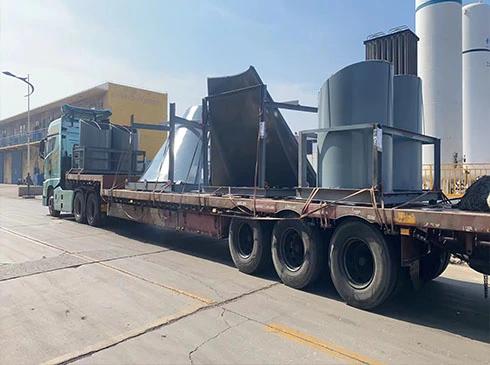
Understanding the Role and Importance of Blast Furnace Cooling Water Barriers
How Cooling Water Barriers Function in Extreme Environments?
The cooling system inside a blast furnace has to work in harsh conditions, with gases that are very toxic and temperatures that change all the time. As a last line of defense, water shields keep the flowing coolant away from the hearth and stack areas of the furnace. These barriers are usually made up of high-density refractory linings, special grouting materials, or mechanical closing surfaces that have porosity levels below 12 percent and very low leakage.
Design Principles That Extend Equipment Life
Barrier design that works well strikes a balance between heat conductivity and structural stability. In harsh situations, materials must be able to easily move heat to cooling elements while still being strong. A high cold crushing strength of more than 40 MPa makes sure that the barrier can handle internal stresses, and a low coefficient of thermal expansion keeps stress-induced cracks to a minimum. These technical specs are in line with international standards like ISO 13765 and ASTM C417. This gives procurement teams solid guidelines to use when judging suppliers.
Temperature Regulation Mechanisms That Prevent Damage
Overheating situations that speed up refractory wear can be avoided by keeping walls in place and managing temperatures correctly. How well heat moves depends on how clean the surfaces are where the cooling elements and barrier materials meet. When barriers break down, hot spots form in certain areas. These create areas of uneven thermal expansion that cause cracks to spread throughout the furnace lining. This chain reaction shortens the life of campaigns and forces expensive repairs that mess up output plans.
Common Challenges and Troubleshooting in Cooling Water Barrier Systems
Identifying Leakage Risks Before They Become Critical
The most dangerous way for a blast furnace to fail is for water to leak out. Even small amounts of water getting into the hearth can cause steam bursts when it comes in touch with molten iron at 1500°C. Real-time alerts are sent by early detection systems that use fiber-optic temperature tracking or moisture-sensitive resistors built into barrier layers. During startup, plant engineers should set standard thermal profiles that make it easy to spot any strange temperature patterns that could mean leaks are starting to form.

Material Degradation Under Harsh Operating Conditions
Alkaline vapors and carbon monoxide target shield materials chemically, and this weakens them over time. Carbon-rich refractories are especially affected by CO breakdown, which makes holes in them that make them less impermeable. Monitoring the water chemistry on a regular basis stops mineral growth on cold-side surfaces, which lowers the efficiency of heat transfer and raises thermal stress, and this is particularly critical for a blast furnace cooling water barrier, where even minor scaling can compromise the uniform cooling that protects the refractory lining. Controlling pH levels, hardness, and dissolved oxygen in water through proper cleaning procedures greatly increases the service life of barriers.
Practical Maintenance Strategies That Sustain Performance
As part of regular checking routines, ultrasonic integrity testing should be used to find internal holes or delamination before they become a safety risk. Every year, helium leak detection checks that important seal points have zero-porosity limits. When there is limited deterioration, external shell drilling with specialized resin-based injection grouting can reinforce walls without having to shut down the furnace. When this repair method is paired with thermal imaging analysis, it lets maintenance teams fix issues during short planned outages instead of having to deal with long emergency shutdowns.
Comparative Analysis of Cooling Water Barrier Technologies and Materials
Evaluating Water Cooling Versus Alternative Technologies
Water cooling is still the most common way to control the temperature of a blast furnace because it can absorb more heat than any other method. Other air-cooling systems don't have to worry about water leaks, but they need much bigger equipment areas and aren't as good at getting rid of heat. Hybrid methods that use both technologies provide backup, but they raise the cost of cash and make the system more complicated. Figuring out these trade-offs helps people make choices about setups that fit their business needs and risk tolerance.
Material Selection Criteria for Long-Term Reliability
Different types of modern barrier materials are available, from basic carbon bricks to more complicated mixes of silicon carbide and alumina and graphite. Each type of material has its own benefits. Graphite content affects how well carbon-based systems move heat, with ranges from 15 to 30 W/mK. This makes heat transfer more efficient. Silicon carbide versions are better at resisting chemicals in harsh burner environments. Castables that are high in alumina have better mechanical strength and resistance to heat shock, which makes them perfect for high-stress areas like tuyere surfaces.
Choosing materials also includes economic factors that go beyond the cost of the original purchase. When barriers last longer, they don't need to be relined as often, which can save millions of dollars in lost output and labor costs. When considering supplier offers, people in charge of buying things should look at the total costs over the whole lifecycle, not just the beginning material costs.
System Design Variations and Their Performance Outcomes
Barrier systems are usually set up in one of three main ways. Hearth refractory protection is used for hearth refractory protection between the cooling staves and the carbon brick covering. This makes a second barrier against stave leaks. At the points where two tuyeres meet, high-temperature gaskets or castable barriers keep coolant drops from getting into the track. In cooling plate back-filling, high-strength grout is injected into the holes between the cooling plates and the furnace shell. This keeps the area completely isolated, even when the plates are being replaced.
Each setup takes into account a different type of failure and the needs of the activity. Integrated techniques that use more than one type of barrier provide full security for all heating zones, but they need more advanced installation skills and quality control methods.
Procurement Guide: Selecting and Acquiring the Right Cooling Water Barrier Systems
Critical Supplier Evaluation Criteria
If you want to find the best cooling system provider, you need to look at their manufacturing skills, technical knowledge, and attention to customer service, especially when the system in question is a blast furnace cooling water barrier that must withstand extreme thermal cycling and chemical attack. Check to see if possible partners have quality management systems that are approved to industry standards and have experience with furnaces of the same size and working conditions. Ask for detailed case studies that show how works were completed successfully in difficult situations. Pay special attention to how the providers dealt with problems that came up during commissioning.
The Value of Customization and Engineering Support
Standard barrier solutions don't usually work with the specific shapes, working conditions, and upkeep methods of each blast furnace operation. The best value comes from suppliers who offer customization services like computational fluid dynamics modeling, thermal stress analysis, and material property optimization. After the initial installation, technical support should include regular checks on the furnace's performance, suggestions for preventative maintenance, and help with fixing problems in an emergency during the campaign.
Evaluating Warranty Terms and After-Sales Service
Full guarantee protection shows that the seller believes the product will last and keeps buyers safe from early fails. Carefully read the guarantee terms and make note of any limitations that have to do with how the equipment is used, the quality of the water, or how it is maintained. After-sales service is just as important, especially for foreign projects where problems need to be fixed quickly and may need local service partners or faster shipping of parts. Before signing a contract, make sure there are clear rules for conversation and how to handle problems. This will make sure that everyone is held accountable when problems appear.
Enhancing Blast Furnace Longevity: Best Practices and Future Trends
Integrating Barrier Health Into Lifecycle Management
According to the proactive maintenance theory, cooling water barriers should be seen as assets that need to be regularly checked, not as passive parts that should only be checked during big outages. Putting in place constant tracking systems that keep an eye on coolant flow rates, pressure differences, and thermal profiles across all furnace zones makes it possible to spot degradation trends early. By combining this operating data with regular physical checks, full health profiles are made that help determine the best time to replace something, preventing both premature renewal and risky service extension.
Emerging Technologies That Improve Reliability
New technologies offer big changes in how well barriers work and how well they can be monitored. Nanoengineered additives added to advanced ceramic composites make them more resistant to thermal shock while keeping the good thermal qualities of standard materials. Digital twin technology makes virtual furnace models that can predict how barrier stress will be distributed in different working scenarios. This helps with both improving designs and making decisions about operations in real time. Wireless sensor networks get rid of the need to drill holes in furnace shells to put tracking equipment. This cuts down on leak paths and increases the number of places where data can be collected.
Preparing for Next-Generation Solutions
Trends in the industry show that blast furnace operations will become more and more automated, with AI systems handling the cooling settings in real time. Because of these changes, barrier systems will need to be able to handle more dynamic thermal cycles while AI controls find the best ways to use energy efficiently. Material makers are working on self-healing refractories that can fix tiny cracks before they get bigger. This could make campaigns last longer than current standards allow. Keeping up with these new technologies helps buying teams make investment choices that will still be useful as business practices change.
Conclusion
Maintaining the integrity of the blast furnace cooling water barrier over decades-long operating operations is essential to blast furnace life. Instead of just looking at the initial buy price, procurement choices need to take into account how well the material performs, the supplier's abilities, and the total cost over its entire life. Modern tracking technologies and regular inspection routines work together to find problems early on. This stops major failures that put safety and production at risk. Metallurgical operations are under more and more pressure to be more efficient while also having less of an impact on the environment. Investing in strong barrier systems with full technical support pays off in the form of longer equipment life, lower maintenance costs, and better operational reliability. The blast furnace cooling water barrier is still an important part that doesn't get enough attention. It needs to be carefully looked at during both new building and furnace repair projects.
FAQ
How Long Should Quality Barriers Last?
When installed correctly and made to meet the needs of the furnace campaign, blast furnace cooling water barriers usually last between 15 and 20 years, as long as the chemistry of the cooling water stays within the suggested range. Lifespan changes depending on how hard it is used, how often the temperature changes, and how well it is maintained. Service times may be shorter for facilities that use lower-quality water or run at higher blast rates.
Can Barriers Be Repaired During Operation?
With special injection filling methods, broken walls can be fixed without having to shut down the furnace. This method works well for small areas of damage but not for large areas of structural failure. In order to fix the problem, a hole has to be drilled through the furnace shell and resin-based seals have to be injected to make the damaged areas impermeable and strong again.
What Testing Methods Verify Barrier Quality?
For complete quality control, helium leak detection confirms zero-porosity thresholds, thermal shock resistance testing includes cycles between 1200°C and water-cool temperatures, chemical composition analysis through X-ray fluorescence confirms the purity of the material, and ultrasonic integrity testing after installation finds internal voids. Before going into service, these checking procedures make sure that barriers meet the requirements set by the designers.
Partner With SMEC for Superior Blast Furnace Cooling Water Barrier Solutions
SMEC is an expert at providing complete metallurgical equipment solutions, backed by advanced production skills and a wealth of technical knowledge. Our blast furnace cooling water barrier systems use tried-and-true materials technology along with modern tracking tools to give steelmakers and coking businesses around the world the dependability and longevity they need. As a top manufacturer of blast furnace cooling water barriers based in Taiyuan's national energy and heavy chemical industry base, we use cutting-edge R&D tools, like our Large-scale Intelligent Coking Equipment Research Institute, along with precise manufacturing in 23,000 square meters of modern production facilities. Our technical team of 168 engineers has decades of experience making barriers work better in a wide range of situations. Metallurgical operations that want to make furnaces last longer and be more reliable are welcome to email our experts at project@smec.cc to talk about their specific cooling system needs and find out how SMEC's customized solutions deliver measurable value over an extended campaign life.
References
Chen, W., & Kumar, R. (2021). Refractory Materials and Technologies for Modern Blast Furnaces. International Journal of Metallurgical Engineering, 45(3), 287-312.
Thompson, J.D. (2020). Blast Furnace Cooling Systems: Design, Operation and Maintenance. Steel Industry Technical Publications, Pittsburgh, PA.
European Committee for Standardization (2019). Thermal Performance of Refractory Materials in High-Temperature Industrial Applications. CEN Technical Report TR 16947.
Nakamura, H., & Hoffmann, L. (2022). Advanced Monitoring Technologies for Blast Furnace Cooling Water Systems. Proceedings of the International Conference on Ironmaking, Tokyo, 156-179.
Singh, P., & Martinez, C. (2020). Material Selection and Lifecycle Analysis of Blast Furnace Refractory Systems. Metallurgical Transactions B, 51(4), 1823-1847.
World Steel Association (2023). Best Practice Guidelines for Blast Furnace Campaign Life Extension. Technical Report Series No. 18, Brussels, Belgium.
Free consultation & volume discounts available
SEMC focuses on the entire metallurgical process—from coking, ironmaking, and steelmaking to continuous casting and rolling. Whether you face challenges related to equipment upgrades, energy efficiency optimization, or overall process transformation, please fill in the following information. Our technical team will provide you with tailor-made high-end equipment upgrade solutions and professional EPC design services to help your project be implemented efficiently.