Step-by-Step: The Process of Inspecting Blast Furnace Riser Pipes
Understanding Blast Furnace Riser Pipes and Their Inspection Importance
- Understanding Blast Furnace Riser Pipes and Their Inspection Importance
- Step 1 – Preparing for the Inspection: Planning and Safety Measures
- Step 2 – Conducting the Visual and Non-Destructive Inspection
- Step 3 – Analyzing Inspection Data and Identifying Issues
- Step 4 – Developing Maintenance and Repair Plans Based on Inspection Outcomes
- Step 5 – Final Review, Reporting, and Continuous Improvement
- Conclusion
- FAQ
- Partner with SMEC for Reliable Blast Furnace Riser Pipe Solutions
- References
Inspecting a blast furnace riser pipe isn't just standard maintenance; it's also a smart way to keep operations running smoothly and keep workers safe. During their service life, these vertical tubes are exposed to harsh chemicals, gas flows that are full of flue dust, and high temperature changes. A planned checking method finds early signs of material degradation before it gets worse and fails completely. This helps steel mills and mining facilities keep production going while keeping long-term equipment costs low. Procurement managers and plant engineers can choose long-lasting parts and work with dependable providers who put quality assurance first if they understand each inspection step.
Understanding Blast Furnace Riser Pipes and Their Inspection Importance
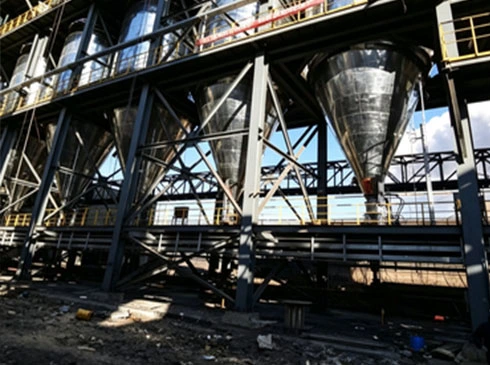
The blast furnace riser pipe is the main vertical path that connects the furnace throat to the downcomer system. It lets raw blast furnace gas rise at temperatures between 200°C and 1000°C. This heavy-duty tube has to be able to handle a lot of temperature expansion, keep its structure intact when internal pressures change, and fight corrosion caused by sulfur. Multiple blast furnace riser pipes work together to even out gas flow and stop uneven load fall in large integrated steel mills with furnaces that are bigger than 2500m³.
Why Regular Inspections Matter
The working conditions inside blast furnaces make it hard for blast furnace riser pipes to stay strong. Microcracks appear in weld heat-affected zones because of repeated heating and cooling cycles, and abrasive flue dust wears away at interior surfaces at expected wear points. Without proactive tracking, localized thinning goes unnoticed until gas leaks force emergency shutdowns, which throw off production schedules and lead to expensive fixes that weren't planned. Regular checks turn reactive upkeep into predictive asset management, which increases the life of equipment and makes planning for capital expenditures more efficient.
Material Specifications and Performance Requirements
To allow for enough weathering, high-performance blast furnace riser pipes usually have wall thicknesses between 20mm and 50mm and are made of ASTM A106 Grade B or a special heat-resistant alloy steel. The material needs to have a high tensile strength and not break down when exposed to CO. It also needs to be able to handle heat expansion with built-in stuffing boxes or expansion joints. ASME Section VIII Pressure Vessel Code standards are followed for quality manufacturing. AWS D1.1 sets the rules for structure welding, and ISO 12944 describes the coatings that should be used in high-temperature settings to keep them safe.
Common Challenges in Inspection Access
Inspectors often have trouble getting to blast furnace riser pipes that are located at high levels inside furnace tops. To do this, they need special scaffolding and fall safety systems. Standardized inspection techniques are hard to use because different furnace generations have different designs, which means that methods need to be flexible enough to work with different flange setups and refractory lining types. These real issues show how important it is to carefully plan ahead for inspections and buy the right testing tools.
Step 1 – Preparing for the Inspection: Planning and Safety Measures
A good blast furnace riser pipe check starts a long time before the techs get to the furnace site. By strategically planning and allocating resources, thorough preparation cuts down on downtime, protects workers, and gets the most value out of the data that is gathered.
Defining Clear Inspection Objectives
The goals of the inspection must match the furnace's working settings and maintenance records. Finding areas where the wall is getting thinner than what engineers allow, finding patterns of refractory lining degradation, and finding stress concentration zones near welded connections are some of the goals that are usually set. Setting measurable criteria that lead to replacement choices is helpful for procurement teams. For example, minimum accepted wall thickness values or maximum permissible crack lengths help with planning when to engage suppliers and how much money to spend.
Implementing Rigorous Safety Protocols
Inspection teams work in dangerous places where they could fall or get trapped, and they could be exposed to leftover heat or harmful gas traces. As a safety measure, lockout-tagout methods must be used to stop the flow of gases, the atmosphere must be constantly checked for carbon monoxide and flammable gases, and workers must be given heat-resistant protective gear. Before people can go into inspection zones, they need to get a work pass that spells out rescue procedures and emergency communication routes.
Selecting Appropriate Inspection Technologies
Visual inspection and non-destructive tests are both used together in modern inspection programs to meet specific medical needs. Ultrasonic testing (UT) is great for finding out how thick the leftover wall is by scanning it from the outside, while radiography testing (RT) finds problems inside welded joints without having to prepare the surface. Thermal imaging cameras find refractory areas that mean the lining is breaking down, and magnetic particle inspection (MPI) finds cracks that break through the surface of ferromagnetic materials. When choosing equipment, it's important to find a balance between how accurate the diagnosis is and practical issues like power supply access, worker certification needs, and the difficulty of interpreting data.
Step 2 – Conducting the Visual and Non-Destructive Inspection
Hands-on inspection work is done carefully through predefined zones, writing down what can be seen and using special testing methods to find changes in the material below the surface that can't be seen.
Performing Systematic Visual Examination
The first thing inspectors do is look at the outside of the item and make note of any darkening patterns that could mean it has been overheated, the coating has worn away, leaving the metal exposed to rust from the air, or there is mechanical damage from equipment touching it. For an internal inspection, you have to go into a confined area to check the state of the refractory lining. You have to look for cracks, erosion lines that match up with gas flow paths, and bond separation from the steel shell. The gas outlet transition zone is a high-risk area that needs immediate attention. This is because changes in velocity combine erosive forces and put the most stress on circumferential weld seams.
Applying Non-Destructive Testing Methods
By comparing current readings to baseline records from commissioning or earlier checks, ultrasonic thickness gauging gives us numbers that show how fast walls are losing their thickness. Radiographic imaging makes lasting film records of the integrity of the weld, showing things like porosity, slag inclusions, and partial fusion that weaken the joint. When the surface is ready, magnetic particle testing can find tiny cracks that can't be seen with the human eye. This is especially helpful around nozzle reinforcement pads and flange bolt holes that are loaded and unloaded over and over again.
Documentation and Digital Data Management
Full recording methods turn unprocessed inspection results into useful information that can be used. When you use calibrated reference scales with digital photography, you can make visual records that show how defects change over time and between inspection rounds. Computerized asset management systems use ultrasonic thickness readings to figure out rust rates and estimate how long a piece of equipment will last. Digitizing radiographic film lets you compare two images next to each other, which shows small changes in the features of weld defects. This discipline for documentation helps repair teams and procurement experts talk clearly with each other while they look at the specs for new equipment.
Step 3 – Analyzing Inspection Data and Identifying Issues
Systematic analysis of raw inspection data that tells the difference between normal wear patterns and situations that need attention gives the data strategic value and makes it possible to prioritize upkeep in a way that best uses resources.
Diagnosing Common Failure Mechanisms
Thermal fatigue in a blast furnace riser pipe shows up as a web of small cracks in places where temperatures change the most, usually near gas entry points and connection points on the outside that have different heat transmission. Compounds in raw blast furnace gas that contain sulfur attack the grain boundaries of steel types that are more likely to rust, causing localized pitting that moves faster when the flow rate is high. When abrasive particles wear away, they leave behind thinner profiles that are mostly on sides that face the flow. The rate of wear depends on the speed of the gas and the number of particles present.
Prioritizing Defects by Criticality
Findings from an engineering assessment are put into three groups: immediate-action items that need to be fixed right away, regular maintenance needs that can be taken care of during planned outages, and monitor-only conditions that will be kept an eye on during future checks. A crack that is longer than the critical length near a pressure connection is an urgent problem that needs to be fixed right away by lowering the load or isolating the connection. On the other hand, general wall thinning that is within acceptable limits may just shorten the time between inspections. This tiered method makes the best use of repair funds by putting them on real threats to safety and productivity.
Predictive Maintenance Planning Applications
Statistical modeling of decline rates under certain working conditions is possible using inspection data from the past. This helps make accurate predictions about when to replace a component. Using these estimates, procurement managers can start the source selection process with enough lead time for custom fabrication, so they don't have to pay extra for faster delivery. Predictive insights also help make changes to working parameters, like controlling the temperature of gas or improving the efficiency of a dust removal system, which slows down the rate of wear and tear and increases the life of an asset.
Step 4 – Developing Maintenance and Repair Plans Based on Inspection Outcomes
The results of inspections are used to create tailored maintenance plans that balance the need for urgent repairs with long-term planning for asset replacement. This requires technical experts and procurement professionals to work together.
Best Practices for Riser Pipe Maintenance
Depending on the seriousness and location of the flaw, maintenance actions for blast furnace riser pipes can range from small fixes to full replacement. Ceramic refractory lining patches fix single flaking layers by using gunite or castable patching. This brings back the thermal insulation qualities that protect the steel shell. If the wall is getting thinner below certain levels, it may be necessary to weld on more support using compatible filler materials. However, this method needs to be carefully heated after the welding process and the quality must be checked. Specialized coating systems, like high-temperature silicone-based aluminum paints and thermal spray aluminum applications, protect outdoor areas from corrosion that are exposed to water and pollution from the environment.
The choices of repair plans need to take into account the practical limits that are specific to each building. When repairs are planned during short maintenance windows, they need materials that cure quickly and simplified processes. On the other hand, big furnace campaigns allow for full refurbishment, which includes restoring dimensions and using better materials. Comparing the costs of repairs to the costs of replacements can help people make decisions. This is especially true when damage builds up over time and the product is getting close to the end of its useful life, at which point more investments will not bring as many benefits.
Material Selection for Durability and Cost-Effectiveness
New developments in steel engineering have made replacement blast furnace riser pipes work better than the original equipment. Modern heat-resistant alloy steels are better at resisting creep at high temperatures, which lowers the risk of damage during long periods of use between maintenance rounds. Advanced ceramic liner technologies that use alumina-silica mixtures can handle higher thermal shock loads while still having lower thermal conductivity, which means that less heat is transferred to structural parts. Specifications for buying things should require full material traceability through mill test papers that confirm the chemical makeup and mechanical properties, making sure that they meet ASME and ASTM standards.
Collaborating with Trusted Suppliers and OEMs
Strategic relationships with equipment makers provide expert support for the whole lifetime of an asset, from coming up with the original specifications to helping with installation and providing ongoing service. Reliable providers offer technical advice on how to make designs work best in certain situations, like changing the shape of flanges to fit existing ductwork or adding better expansion joint designs for furnaces that go through a lot of temperature changes. Having access to approved substitute parts that are made under strict quality control lowers the risks of buying things that aren't the right size or don't have the right material properties, which can hurt safety and durability.
Step 5 – Final Review, Reporting, and Continuous Improvement
The inspection process ends with detailed records that help with instant actions and long-term asset management plans by collecting knowledge in a structured way and letting the company learn.
Consolidating Findings into Actionable Reports
Inspection reports combine visual observations, NDT measures, and engineering analysis into executive summaries that non-technical users can understand. The reports still have enough technical detail to help with maintenance execution, though. Key parts include pictures with notes showing where the problems are, trend charts showing how things are now compared to how they were in the past, and clear suggestions with ranked action items. Buying managers who are looking at equipment investment plans will have more faith in them if the reports are clear. This is also true for regulatory compliance documents that show due care in managing safety-critical assets.
Establishing Follow-Up and Continuous Improvement Protocols
Risk-based inspection scheduling makes the best use of resources by changing the regularity of inspections based on how quickly things are breaking down and how bad the failure would be. Parts that wear out quickly are checked more often, while parts that stay stable can have longer checks without affecting safety. Continuous improvement projects use inspection data to make prediction models better, check that material performance assumptions are correct, and find systemic problems that need to be fixed by making changes to how they are used or how they are designed for future installations.
Leveraging Inspection Intelligence for Procurement Strategy
As inspection knowledge builds up, it's used to choose suppliers based on factors like proven reliability under similar working conditions, material certification compliance, and the ability to provide expert support after delivery. When inspection dates and procurement cycles are synced, replacement parts come with enough time to plan their installation, so there are no extra costs for fast shipping and no production delays. Failure analysis leads to quality standards that put performance characteristics like better resistance to erosion or better thermal expansion accommodation at the top of the list. These characteristics are chosen to solve facility-specific problems that are found through inspection programs.
Conclusion
By inspecting blast furnace riser pipes in a planned way, everyday maintenance is turned into strategic asset management, which protects capital investments and keeps operations running smoothly. Each step of the inspection process adds important information, from the initial visible assessment that shows how the surface is doing to the more advanced NDT methods that find hidden damage to the material. Thorough data analysis tells the difference between critical flaws and managed wear patterns. This lets maintenance priorities be set in a way that saves money and time and stops unexpected failures. When inspection teams, maintenance departments, and procurement experts work together, they can make integrated plans that balance the need for urgent repairs with long-term planning for replacements. By using inspection results to drive continuous improvement, equipment specs, supplier selection criteria, and operating practices are all made better. All of these things work together to make blast furnace riser pipes last longer. By improving safety, lowering maintenance costs, and making sure furnaces are always available to meet production commitments, companies that follow strict inspection standards set themselves up for a long-term competitive edge.
FAQ
What is the typical service life of a blast furnace riser pipe?
A good blast furnace riser pipe made from the right heat-resistant steel should last between 10 and 15 years under normal working conditions and with proper upkeep. Depending on how hard the furnace is used and how hot the gas is, the internal refractory linings usually need to be serviced or replaced every 5 years. The actual service life depends a lot on the quality of the raw materials, how well the operations are run (for example, keeping the gas temperature under control), and how well the preventive repair program works. Parts last longer than expected if they are inspected regularly and fixed quickly when they show signs of wear.
Can blast furnace riser pipes be repaired without complete replacement?
Many types of defects can be fixed successfully with in-situ methods during planned maintenance periods. Weld overlay reinforcement using suitable filler materials can be used to fix localized wall loss, as long as the repair is heat-treated after the welding process and fully checked by NDT. When refractory lining gets damaged, it's often possible to repair only part of it by applying gunite or a castable patch instead of relining the whole thing. Repairability rests on how bad the defect is, how easy it is to get to, and the state of the base material that is still there. An engineering review that weighs the benefits of replacement against the costs of fixing helps people make the best decisions.
What causes premature failure in riser pipes?
Gas channeling creates a concentrated erosive attack that quickly penetrates pipe walls, and stress corrosion cracks form at weld heat-affected areas that are open to sulfur-bearing chemicals. These are the most common ways that blast furnace riser pipes fail. When there isn't enough room for growth, thermal stress causes crack networks that spread when the structure is loaded and unloaded again and again. If you don't install or choose the right refractory inner material, too much heat can pass through, speeding up rust on the outside and weakening the steel. Unexpected changes in operations, like rapid temperature or pressure jumps, happen more than what was planned, damaging the system permanently. Regular inspections and repair that take care of these systems stop parts from breaking too soon.
Partner with SMEC for Reliable Blast Furnace Riser Pipe Solutions
When your facility needs reliable blast furnace riser pipe parts backed by engineering know-how, SMEC offers complete options that meet the needs of modern metalworking processes. Our factories are in Taiyuan, which is China's main hub for heavy industry. They have state-of-the-art production facilities and strict quality control measures that make sure the measurements are correct and the materials are used correctly. Our technical team is made up of 168 engineers who help with standard advice, design optimization for site conditions, and full after-sales support for the lifecycle of your equipment. Our years of experience working with steel mills and coking plants around the world means that you will get certified goods that meet ASME and ASTM standards. This is true whether you are looking to update your furnaces or set up reliable supply chains for key parts. Get in touch with our international trade experts at project@smec.cc to talk about your blast furnace riser pipe needs with a reputable company that is dedicated to practical efficiency and the success of long-term partnerships.
References
Peacey, J.G., and Davenport, W.G., The Iron Blast Furnace: Theory and Practice, Pergamon Press, Oxford, 1979.
American Society of Mechanical Engineers, ASME Boiler and Pressure Vessel Code, Section VIII: Rules for Construction of Pressure Vessels, ASME, New York, 2021.
Geerdes, M., Toxopeus, H., and van der Vliet, C., Modern Blast Furnace Ironmaking: An Introduction, IOS Press, Amsterdam, 2009.
American Welding Society, AWS D1.1/D1.1M: Structural Welding Code—Steel, AWS, Miami, 2020.
International Organization for Standardization, ISO 12944: Paints and Varnishes—Corrosion Protection of Steel Structures by Protective Paint Systems, ISO, Geneva, 2017.
Biswas, A.K., Principles of Blast Furnace Ironmaking: Theory and Practice, Cootha Publishing House, Brisbane, 1981.
Free consultation & volume discounts available
SEMC focuses on the entire metallurgical process—from coking, ironmaking, and steelmaking to continuous casting and rolling. Whether you face challenges related to equipment upgrades, energy efficiency optimization, or overall process transformation, please fill in the following information. Our technical team will provide you with tailor-made high-end equipment upgrade solutions and professional EPC design services to help your project be implemented efficiently.