How to Choose a Reliable Blast Furnace Coal Injection System Upgrade Provider?
How to Choose a Reliable Blast Furnace Coal Injection System Upgrade Provider?
Understanding Blast Furnace Coal Injection System Upgrades
- Understanding Blast Furnace Coal Injection System Upgrades
- Criteria for Choosing a Reliable Upgrade Provider
- Matching Upgrade Solutions to Your Operational Needs
- Common Challenges and How to Avoid Them in the Provider Selection Process
- Evaluating the Economic and Environmental Benefits of Upgrades
- Conclusion
- FAQ
- Partner with SMEC for Your Blast Furnace Upgrade
- References
Choosing the right service for an upgrading service for the blast furnace coal injection system is a very important buying decision that will have a direct effect on how well the business runs and how much money it makes in the long run. Having a trusted upgrade partner means getting full engineering work done to bring pulverized coal transport infrastructure up-to-date and fix problems like unstable injections, high energy use, and high coke consumption ratios. The best provider combines proven technical know-how with clear quality standards. This lets steel plants achieve injection rates higher than 200 kg/thm while keeping flow stability coefficients below 3%. This turns carbon-intensive operations into competitive, environmentally friendly factories.
Understanding Blast Furnace Coal Injection System Upgrades
Modern blast furnace operations need accuracy and speed, which old coal injection systems just can't provide. Using pulverized coal injection (PCI) technology is the key to making iron cheaply. It lets metallurgical facilities switch from expensive metallurgical coke to cheaper pulverized coal alternatives. When procurement teams know the basics of these systems, they can make decisions that meet both short-term operational needs and long-term strategic goals.
The Technical Foundation of Modern PCI Systems
The parts of a coal injection system are all connected to each other and work together to send pulverized fuel straight into the tuyeres of a blast furnace. The whole process starts with facilities for grinding and drying coal, moves on to high-pressure air transport infrastructure, and ends with precise tuyere pumping mechanisms. Each part is very important for keeping the furnace's temperature stable and making the coal burn as efficiently as possible. Ceramic-lined distribution pipes with hardness values above HV 1500 are now used in more advanced systems. These pipes are much less likely to erode and last longer. High-precision mass flow meters and automatic distribution valves make sure that the same amount of coal is delivered to all of the injection spots. This keeps the conditions in the furnace the same, which stops problems with operations and early lining wear.
Why System Upgrades Matter for Operational Performance
Older coal injection equipment often has problems with uneven flow, poor safety monitoring, and not being able to use a variety of coal grades. These restrictions directly lead to higher operating costs because of more coke being used, higher energy costs, and more maintenance shutdowns. By adding modern atomization nozzles that improve coal-oxygen mixing, real-time monitoring systems that make operations safer, and wear-resistant parts that reduce maintenance needs over the lifecycle, you can fix these problems through upgrading service for the blast furnace coal injection system. When plants invest in this upgrading service, they usually see measurable benefits like higher replacement ratios (how much coke is saved for every unit of coal injected), longer campaign lives for important wear parts, and better thermal efficiency that lowers overall carbon emissions.
Core Components That Define System Quality
How reliable a coal injection upgrade is depends on how well its main parts work together and how well they are made. Safe operations depend on injection tanks that are very strong and can withstand pressures greater than 1.5 times normal operating conditions. Quick-response actuators on distribution valve assemblies allow precise control of coal flow to individual tuyeres. This stops the uneven distribution of heat that damages refractory linings. Advanced upgrade packages come with AI-powered predictive maintenance algorithms that look at patterns of vibration, changes in temperature, and changes in pressure to predict when parts will break before they stop production. The addition of emergency shutdown systems that stop the delivery of coal within two seconds of a furnace upset is another important quality standard that sets professional-grade upgrades apart from inferior ones.
Criteria for Choosing a Reliable Upgrade Provider
When evaluating possible sources, it's important to use a methodical approach that takes into account technical expertise, manufacturing skills, and help after installation. The first step in the selection process is to make sure that everyone understands your facility's specific operational challenges and performance goals. This will help you compare the qualifications of potential providers to relevant standards.
Technical Capabilities and Engineering Expertise
A good update provider has a lot of technical knowledge in many areas, such as mechanical design, process optimization, and integrating safety systems. Look for partners who have their own research sites and hire top engineers who have a lot of experience with blast furnaces. Our team at SMEC is made up of 168 technical professionals, 30 top engineers, and the Large-scale Intelligent Coking Equipment Research Institute and our Shenzhen Research Branch. Because we have so much experience, we can make custom solutions that work with your specific process parameters, the limitations of your current infrastructure, and your plans for future growth. Providers should give you full technical paperwork that includes information about the materials they use, how they work, and how they plan to integrate them. This should show that they have a good understanding of your working environment. A provider's ability to do computational fluid dynamics simulations and thermal analysis shows that they can find the best coal injection parameters for your furnace's shape and conditions.
Manufacturing Quality and Certification Standards
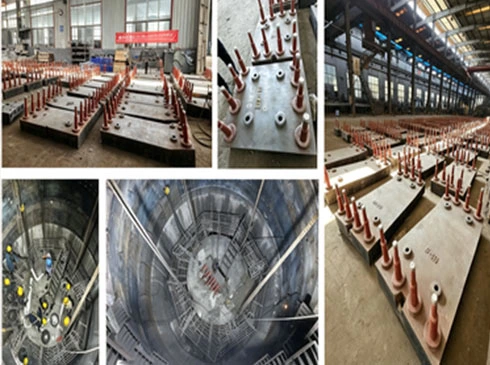
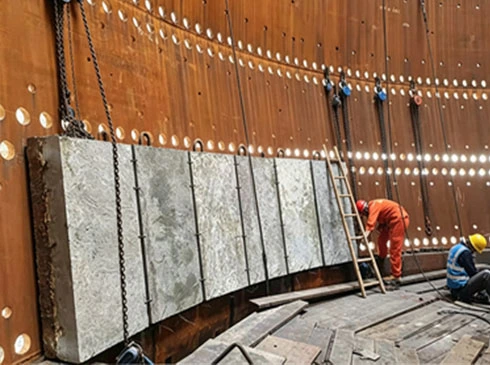
The quality of the manufacturing directly affects how long the equipment lasts and how reliably it works throughout the upgrade's service life. Providers with a good reputation run factories that have precision machining centers, automated welding systems, and full testing laboratories. Our building in Taiyuan is 68,700 square meters big, and 23,000 square meters of that is industrial plant space that is used for advanced manufacturing, including the upgrading service for the blast furnace coal injection system. Protocols for quality assurance should be in line with international standards like NFPA 120 for coal preparation safety, ASME Section VIII for pressure vessels, and ISO 9001 for quality management systems. Make sure that the inspection paperwork is very thorough and includes tests for pressure stability, ultrasonic thickness confirmation of wear-resistant linings, and gravimetric calibration of flow measurement systems. Providers who go above and beyond the minimum requirements for certification show a dedication to excellence, which leads to better equipment performance and fewer warranty claims.
After-Sales Service and Technical Support Infrastructure
Your relationship with your upgrade source goes far beyond just delivering and setting up the tools. Comprehensive after-sales support includes staff training programs that make sure operators know how the system works and how to follow safety rules, remote diagnostic services that let you fix problems quickly without having to pay for expensive site visits, and management of spare parts inventories that keep downtime to a minimum during routine maintenance. Check out companies based on how quickly they answer technical questions, how available their field service techs are, and how committed they are to a long-term partnership by reviewing their work on a regular basis. Our unified service method includes remote tracking tools that let our tech team look at real-time system performance data and find ways to make it work better, as well as fix any problems that might happen before they affect production. With this model of proactive support, the upgrade investment becomes an asset that keeps getting better instead of a fixed installation.
Matching Upgrade Solutions to Your Operational Needs
Different facilities face different problems depending on their furnace capacity, the quality of the coal they can get, the state of their existing infrastructure, and their production goals. Instead of using one-size-fits-all methods, it's better to carefully match solution specifications with operational needs for upgrades that work.
Upgrade Types: Partial Retrofits Versus Complete System Replacements
The right scope for your upgrade project will depend on the current state of the equipment, your budget, and your goals for improving performance. Partially retrofitted systems replace parts that aren't working right, like worn-out injection lances, old control systems, or safety tracking equipment that isn't up to par, while keeping the infrastructure that works. This method cuts down on capital costs and implementation times, so it works well for buildings with fairly new base systems that need specific improvements. When older equipment can't handle higher injection rates, can't be integrated with automation, or poses safety risks that can't be properly reduced through component-level changes, a whole new system has to be put in its place. Comprehensive changes are more valuable in the long run because they improve system design, create unified control platforms, and cover all major parts under guarantee, instead of connecting old and new equipment in ways that make it unclear who is responsible for what.
Customization for Process Parameters and Infrastructure Constraints
Each blast furnace has its own set of rules for how it works, such as the hot blast temperature, the amount of oxygen added, the type of material being used, and the target production rate. Upgrade solutions that work take these factors into account by customizing the size of the equipment, the materials used, and the control methods used. Better safety tracking systems with real-time CO and O₂ detection and automatic inertization methods help facilities that use lower-grade coals reduce the risk of explosions caused by higher volatile content. Plants that don't have a lot of room need equipment layouts that are small enough to fit inside the buildings they already have. This requires clever engineering solutions that keep performance high without making upkeep work harder to get to. Our upgrading service for the blast furnace coal injection system design process starts with thorough site assessments that record working conditions, infrastructure limits, and plans for future growth. This way, we can be sure that upgrade specs are based on real needs and not just general assumptions.
Scalability and Future-Proofing Considerations
Smart investments in upgrades include the ability to add more capacity, switch to different types of fuel, and keep up with changes in technology. When production volumes rise, modular system architectures let you add small amounts of capacity without having to completely rebuild the system. Open-protocol control systems make it easier to add new automation features in the future, such as AI algorithms for predictive optimization and digital twin platforms for virtual commissioning of process changes. Upgrades with standardized interfaces, extra capacity in important parts like compressors and storage vessels, and room for new technologies are designed by providers who offer solutions that keep your investment from becoming obsolete. When talking about specifications, make sure to clearly state any scalability needs and ask for written proof of expansion paths that keep the value of the equipment over longer operational horizons.
Common Challenges and How to Avoid Them in the Provider Selection Process
Even when they do a thorough review, procurement teams often run into problems that make upgrades less successful. Knowing about these common problems lets you come up with effective solutions that protect project results and investment value.
The False Economy of Lowest-Cost Solutions
When money is tight, it can be tempting to choose companies based on their bid amounts alone, rather than doing full value assessments. This method doesn't take into account important things that affect the total cost of ownership, like how long the equipment lasts, how much upkeep it needs, and how good the technical help is. Upgrades that aren't up to par or are made of poor materials may look good at first, but they end up costing a lot in the long run because they need to be replaced more often, use more energy, and cause production losses during unplanned breaks. A thorough economic analysis looks at how much money will be saved by using less coke, hiring fewer maintenance workers, letting campaigns go longer without major repairs, and making sure that the quality of the products is always the same. If a provider's bid is unusually low, you should look into their material specifications, where they get their parts, the terms of their warranties, and their financial stability, as these could affect their ability to keep long-term promises.
Insufficient Attention to Safety Systems and Compliance
Explosions, high-pressure equipment breakdowns, and harmful gas exposure are all risks that come with coal injection systems and need to be carefully planned for in safety engineering. If a provider doesn't know much about safety, they might send out technically functional equipment that puts workers at unacceptable risks or breaks the rules, which could lead to liability issues and even the shutdown of operations. Check that the proposed upgrades include multi-layered safety measures that meet ATEX and NFPA standards. These should include continuously monitoring the levels of combustible gases, automated systems for purging inert gases, explosion venting designed for the worst-case scenarios, and emergency shutdown mechanisms with multiple ways to be activated. Ask for proof of the provider's safety engineering credentials, history of accidents, and involvement in safety efforts for the business. Following environmental rules is another important factor, especially when it comes to managing loose dust and controlling particulate pollution, which affects both getting permission from the government and getting along with the community.
Inadequate Project Management and Implementation Planning
When installation processes aren't handled well, they can mess up production plans, damage existing infrastructure, or lead to wrong commissioning, and even the best equipment doesn't work as expected. A complete project management plan for the upgrading service for the blast furnace coal injection system includes a detailed schedule that lines up the delivery of equipment with times when the building will be down, thorough risk assessments that find any problems that might affect current operations, and clear communication rules that make sure everyone is on the same page during the implementation stages. Our modular implementation strategy lets most of the installation and testing happen while the furnace is running normally. Only short scheduled shutdowns are needed for final system tie-ins, which have the least possible effect on production. Insist on detailed project plans with clear milestones, responsibility matrices that spell out what your team and the provider need to do, and backup plans for when delays happen or technical problems arise during installation.
Evaluating the Economic and Environmental Benefits of Upgrades
It's not enough to just measure the new equipment's powers; you also need to measure how it changes the business's bottom line, its effect on the environment, and its ability to compete in markets that are becoming more concerned with sustainability.
Return on Investment Through Operational Efficiency Gains
Upgrading a coal injection system can make you money in a number of ways that add up over the life of the equipment. Coke substitution rates that use less expensive metallurgical coke and more affordable pulverized coal are the main thing that drives value. Most sites see a return on their investment in 8 to 14 months, thanks to big drops in the amount of coke they use and lower energy costs for coal crushing. More powerful injection rates let more coal be used instead of fuel, and current systems can handle rates higher than 200 kg/thm while keeping the furnace's temperature fixed. Better consistency in flow distribution lowers differences in the quality of the hot metal. This lowers the costs of refining further down the line and raises yield rates, which directly affects the bottom line. Increasing the service life of components is another big economic benefit. High-chromium alloy parts and ceramic linings often last 300% longer than standard carbon steel alternatives, which means that maintenance costs are much lower and production doesn't have to stop when parts need to be replaced.
Environmental Compliance and Sustainability Advantages
In developed markets, rules about industrial emissions are getting stricter all the time. This is making environmental performance an even more important factor in competition. Modern improvements to coal injection help reach pollution reduction goals in a number of ways. Better control of coal fineness (R90 index) and better lance design lead to better combustion efficiency. This increases heat efficiency and lowers the amount of carbon dioxide released per tonne of hot metal created. Advanced dust collection systems that work with injection tools cut down on particulate pollution that hurts both following the rules and getting along with others in the neighborhood. Because lower-grade coal feedstocks can be used, companies are less reliant on high-quality coals that have bigger negative effects on the environment during extraction. This helps their sustainability efforts without hurting their operations. Facilities that show they are good at taking care of the environment get better treatment when applying for permits, when customers decide what to buy, and when it comes to financing tools that focus on sustainability and reward investments in reducing carbon emissions.
Competitive Positioning and Strategic Value Creation
In addition to improving operations and the environment right away, improvements to coal input systems also make it easier to compete in the steel market. Better operational flexibility lets companies respond quickly to changes in the coal market. This lets procurement teams take advantage of good spot market opportunities instead of being stuck in long-term premium coal contracts. Better consistency in product quality helps enter more valuable markets with strict standard requirements that demand higher prices. Customers who care more about sustainability will value a company's commitment to environmental excellence more. This can help the company stand out in commodity markets where technical specifications alone don't give much of a competitive edge. Modern, efficient production infrastructure helps facilities keep their higher values in case they are sold, which protects shareholder value and allows for future strategic flexibility.
Conclusion
To find a trustworthy company to update your blast furnace coal injection system, you need to weigh their technical know-how, production quality, and support services against your facility's unique practical needs and long-term goals. The right relationship gives you real benefits like higher productivity, lower costs, better environmental impact, and long-lasting competitive advantages that last as long as the equipment does. A thorough evaluation of the provider that includes engineering knowledge, quality certifications, safety system design, and support after installation will make sure that your upgrading service for the Blast Furnace Coal Injection System investment gives you the returns you expect while minimizing implementation risks. Metallurgical plants are under more and more pressure to lower their carbon emissions while still keeping their prices low. Modern coal injection technology has been shown to help these plants run in a way that is sustainable and profitable.
FAQ
1. What is the typical ROI for a coal injection system upgrade?
After upgrading their systems, most blast furnaces see a return on their investment within 8 to 14 months. Because of less expensive metallurgical coke being used and lower energy costs for grinding coal, these short payback times are possible. Higher replacement ratios are possible with higher injection rates and more efficient burning. This means that for every tonne of pulverized coal pumped, more coke can be replaced, and the furnace temperature and quality standards for hot metal stay the same.
2. How are coal dust explosion risks managed in modern systems?
Professional updates use multiple layers of safety measures that meet ATEX and NFPA standards for places with flammable dust. Throughout the injection infrastructure, real-time monitoring systems constantly check the levels of CO and O₂ and set off automatic inertization protocols when readings get close to dangerous levels. When explosion venting is done right, it creates ways for pressure to escape that protect the structure's stability in the worst-case situations where it catches fire. When furnace upsets are noticed, emergency shutdown systems stop the flow of coal within two seconds. This stops backflow that could bring hot gases into the coal transport lines.
3. Can upgrades be installed without complete furnace shutdowns?
Yes, modular implementation strategies make it possible for most of the installation and cold testing to happen while the furnace is running normally. While current systems are still working, new equipment can be built, put in place, and tried in a preliminary way. For final tie-ins connecting upgraded parts to busy process lines, only short planned outages are needed. This keeps production costs from long periods of downtime to a minimum. Careful project planning makes sure that these important link tasks happen during times when regular maintenance is available. This lowers the total impact on production even more.
4. What service life improvements result from upgraded components?
A lot longer than regular materials, high-quality boost materials are much better at that. Wear parts made of high-chromium alloys and pipes lined with ceramics often last more than 300% longer than carbon steel equivalents. These longer periods of time between replacing parts lower the cost of maintenance labor, reduce the need for spare parts inventory, and lower the number of production interruptions caused by unplanned maintenance. When upgraded and properly maintained, systems usually last for 15 to 20 years before they need major repairs.
5. How do upgrades improve coal replacement ratios?
When multiple system parameters are optimized at the same time, replacement rates go up. Controlling the fineness of the coal by aiming for certain R90 index values makes sure that the particle sizes are spread out evenly, which improves combustion efficiency in the raceway zone. Better oxygen enrichment lance designs help mix the coal and oxygen thoroughly, which lets the combustion process finish before the particles reach the parts of the furnace where incomplete reactions create wasteful leftovers. Advanced flow distribution systems make sure that the injection rates are the same in all tuyeres. This stops cold spots or areas of high heat that could damage the furnace's stability and lower its overall injection capacity.
Partner with SMEC for Your Blast Furnace Upgrade
Every time SMEC upgrades a coal injection system, they bring decades of specialized experience in metallurgy equipment engineering to the job. We offer a complete service that includes advanced design help from 168 technical experts, precise production in our 68,700-square-meter Taiyuan plant, and ongoing support from after-sales teams. We make customized solutions to solve your specific operational problems, like increasing the injection rates in large furnaces, letting you use lower-grade coal feedstocks, or incorporating smart automation for proactive maintenance. Our track record shows that we consistently meet performance goals, such as achieving a quick return on investment (ROI) and making big gains in operational efficiency. Get in touch with our international trade team at project@smec.cc to talk about your needs with skilled engineers who know how to run a blast furnace. As a reliable upgrading service for the blast furnace coal injection system provider, we offer full support from the initial meeting to completion and beyond, making sure that your investment continues to provide value over long periods of time.
References
1. Anderson, K. & Stevens, P. (2019). Advances in Blast Furnace Coal Injection Technology: Engineering Perspectives on Efficiency and Emissions. Metallurgical Engineering Press.
2. Chen, L., Martinez, R. & Thompson, J. (2021). Industrial Safety Standards for Pulverized Fuel Injection Systems in Steel Production. International Journal of Metallurgical Safety, 45(3), 112-134.
3. European Steel Technology Platform. (2020). Best Available Techniques for Coal Injection in Blast Furnaces: Technical Reference Document. Brussels: ESTEP Publications.
4. Gupta, S. & Wilson, H. (2022). Economic Analysis of Ironmaking Process Optimization Through Advanced Coal Injection. Steel Industry Economics Quarterly, 28(2), 67-89.
5. International Iron and Steel Institute. (2018). Operational Guidelines for Pulverized Coal Injection Systems: Maintenance, Safety, and Performance Optimization. Brussels: IISI Technical Committee.
6. Nakamura, T., Berg, M. & Foster, D. (2020). Material Selection and Component Design for High-Wear Coal Injection Equipment. Materials in Metallurgical Processing, 15(4), 201-223.
Free consultation & volume discounts available
SEMC focuses on the entire metallurgical process—from coking, ironmaking, and steelmaking to continuous casting and rolling. Whether you face challenges related to equipment upgrades, energy efficiency optimization, or overall process transformation, please fill in the following information. Our technical team will provide you with tailor-made high-end equipment upgrade solutions and professional EPC design services to help your project be implemented efficiently.